This article is edited by Trudave. With years of expertise in waterproof apparel and footwear, Trudave aims to provide impartial and professional advice on selecting hunting gear for different seasons. Visit our official website: https://trudavegear.com.
 There is nothing quite like the sound of whistling wings cutting through the cold morning air. Duck hunting is more than a sport; it’s a tradition, a challenge, and for many, an obsession. But for a beginner, the world of waterfowl can feel overwhelming. Decoy spreads, calling techniques, blind bags, and waders—where do you even start?
If you’re ready to trade your sleep for sunrises and wet dogs, you’re in the right place. Here is the foundational guide to getting started with duck hunting.
1. Gear Up: The Essentials
You don’t need the most expensive gear to limit out, but you do need gear that keeps you functional. Waterfowl hunting often happens in the harshest conditions—freezing rain, mud, and icy water.
-
Waders are Non-Negotiable: You will be standing in water. A leak in January is not just uncomfortable; it’s dangerous. Invest in high-quality, insulated chest waders. Look for durability and reinforced knees.
-
Layering is Key: Temperature regulation is vital. Avoid cotton. Start with a moisture-wicking base layer, add a warm fleece or wool mid-layer, and finish with a waterproof, windproof shell.
-
The Gun and Ammo: A reliable 12-gauge shotgun is the standard. For ammo, non-toxic shot (steel, bismuth, or tungsten) is required by law for waterfowl. A #2 or #4 shot size is a great all-around choice for ducks.
2. Scouting: The "X" Marks the Spot
You can have the best calling skills in the world, but if you aren’t where the ducks want to be, you won’t shoot anything. This is called being on the "X."
-
Drive and Glass: Spend time driving backroads and using binoculars to find where birds are feeding or resting.
-
Check the Wind: Ducks land into the wind. Knowing the wind direction tells you how to set up your decoys and where the birds will approach from.
3. Decoys and Calling: Keep It Simple
As a beginner, you don't need a massive spread of 100 decoys.
-
The Setup: A dozen mallard decoys (6 drakes, 6 hens) is often enough for small water. Place them in a "J" or "U" shape, leaving an open landing zone in the middle for the real ducks to land (into the wind).
-
The Call: Don’t overdo it. Learn a simple "quack" and a basic "feeding chuckle." Bad calling scares more ducks than no calling at all. If the birds are already coming your way, stay quiet and let them come.
4. Safety and Ethics
Waterfowl hunting has strict regulations. Always check your state’s DNR guidelines.
Conclusion
Duck hunting is a steep learning curve, but that first successful morning makes it all worth it. Stay warm, stay safe, and respect the resource.
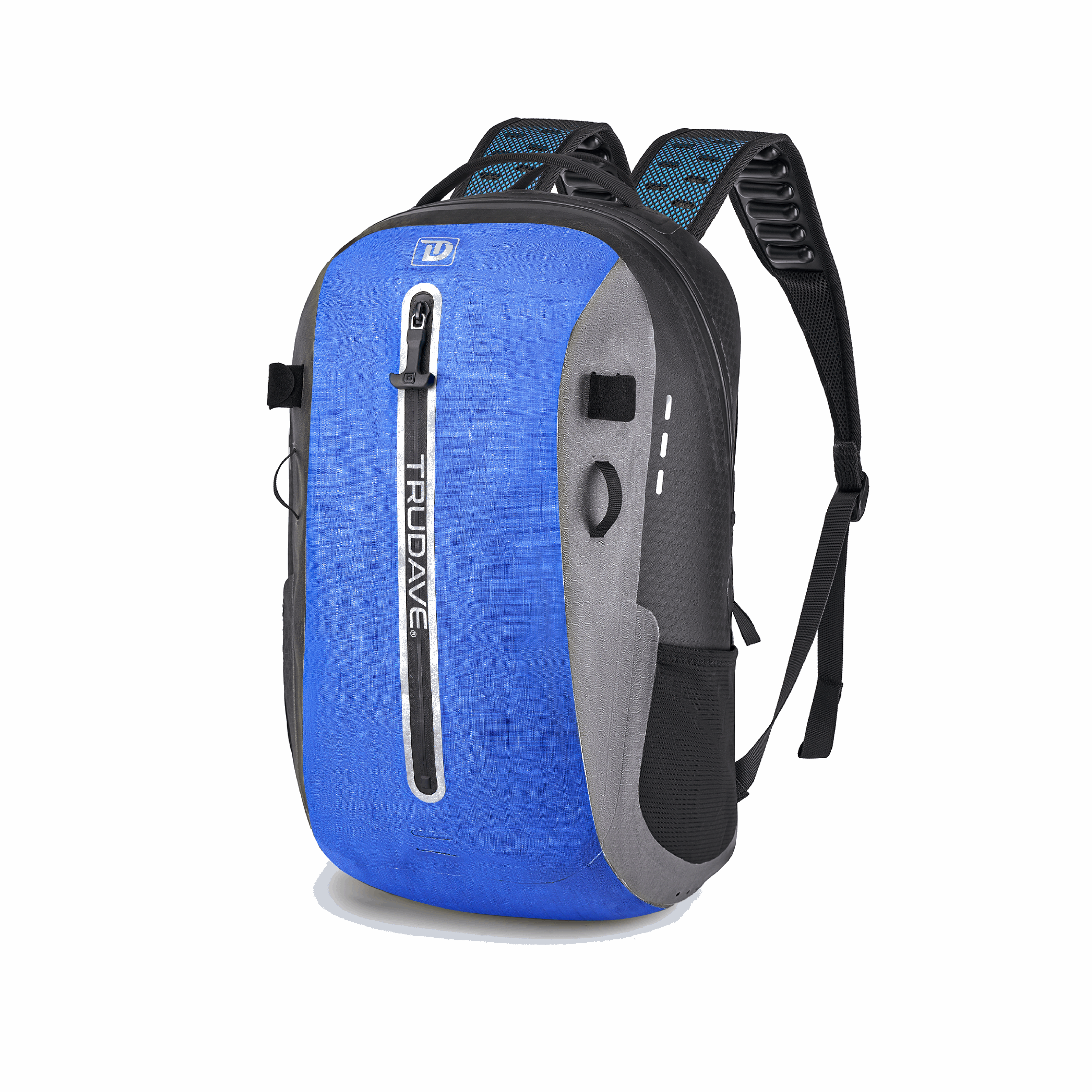
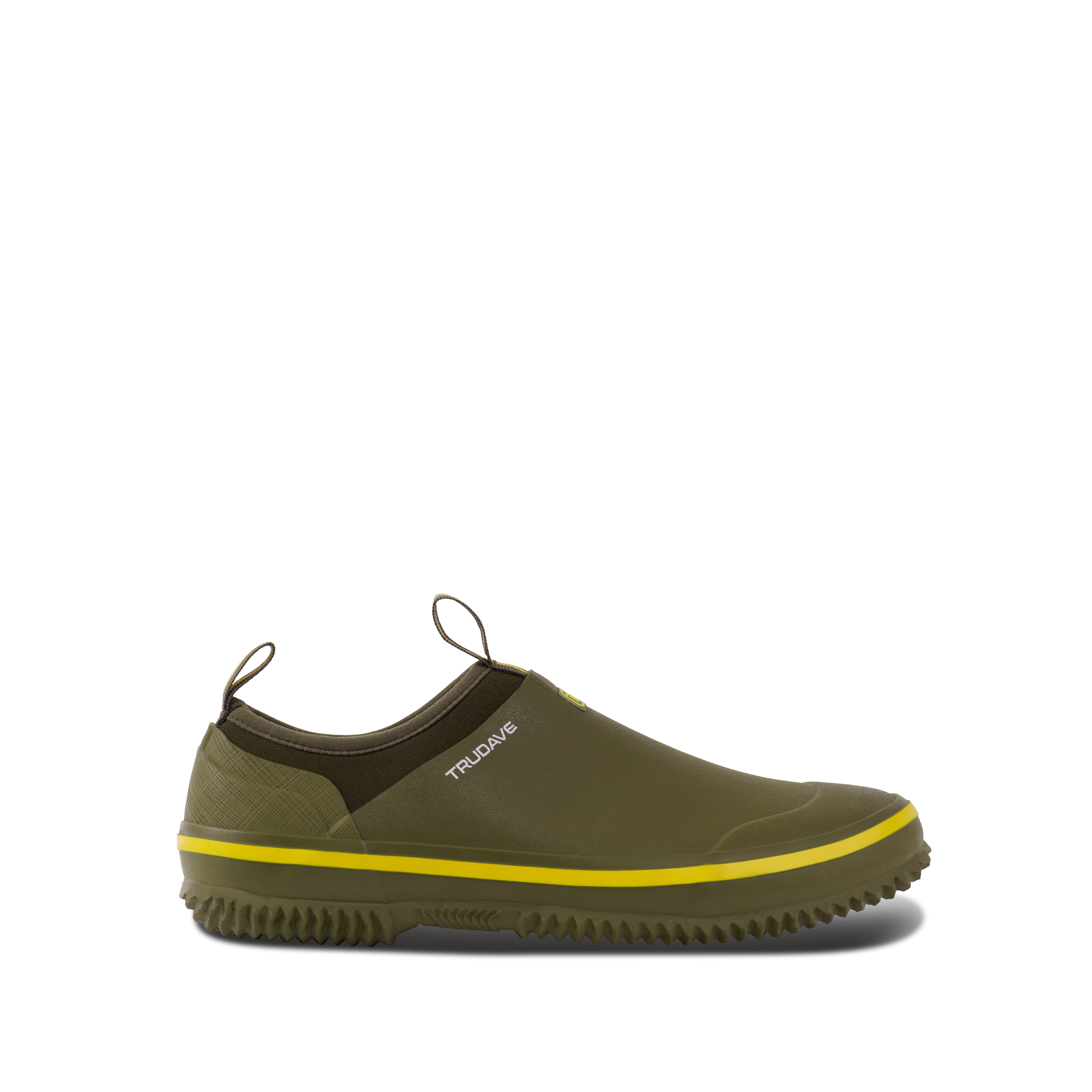
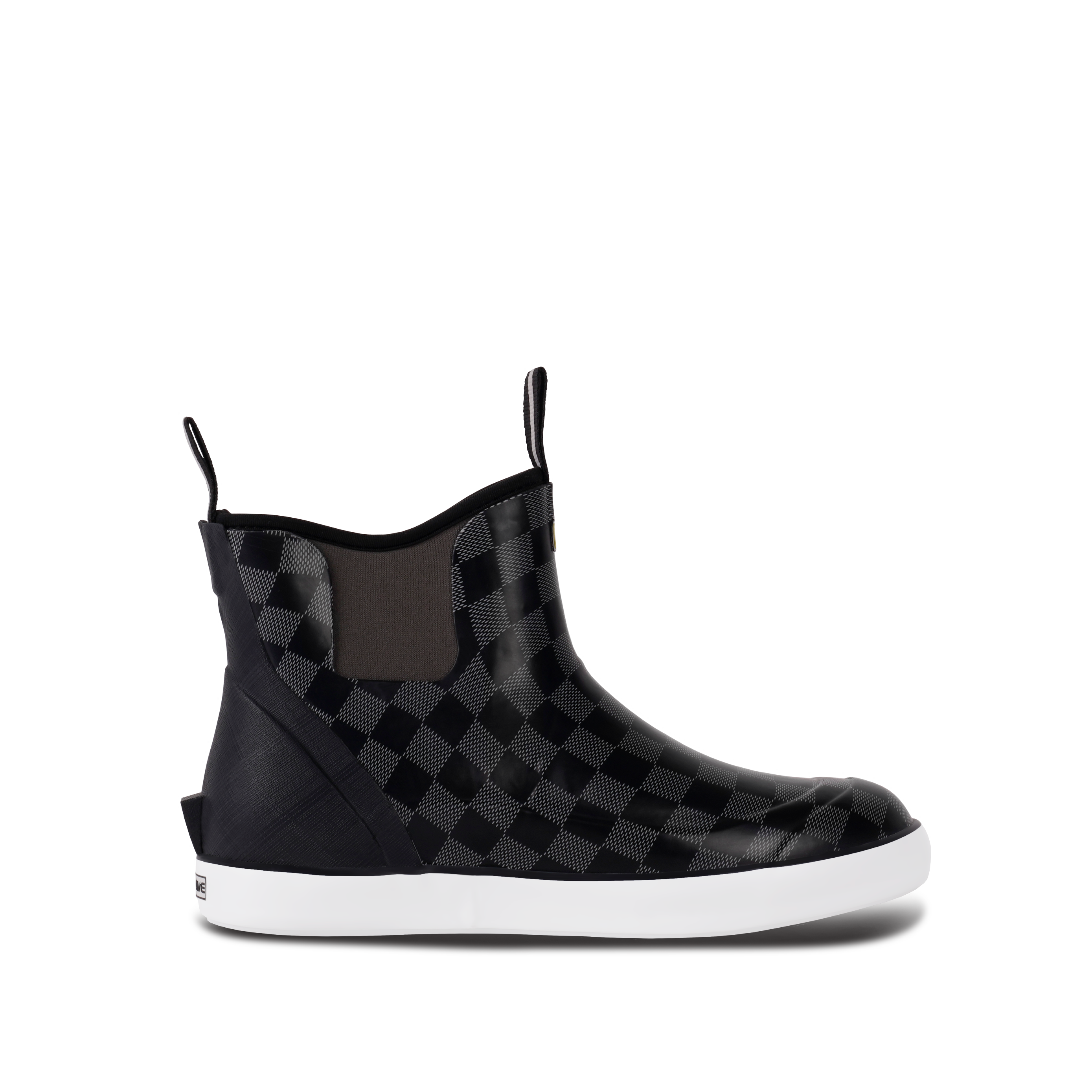
Ready to gear up for the season? Check out our latest collection of waterproof boots and outdoor apparel designed to keep you dry in the blind.
Built to stay flexible, tough, and comfortable—season after season.
Authoritative Resources
If you'd like to learn more about hunting gear, outdoor activity safety, or related information, you can visit the following authoritative websites:
Additionally, if you're looking for high-quality waterproof gear, be sure to check out Trudave’s official website to explore our curated selection of products designed to keep you dry and comfortable during any outdoor adventure.
Thank you for reading and supporting us. We hope you have an extraordinary experience on every outdoor adventure you embark on!