Editor's Note: This article is curated by Trudave. With years of expertise in waterproof apparel, we provide professional advice on selecting gear. Visit our official website: trudavegear.com.
By Trudavegear Team • Expert Advice • 3 Min Read

Walking into an outdoor gear store (or browsing online) can be overwhelming. You are hit with buzzwords like "Oleophobic," "Vulcanized," and "GSM ratings." But what does it actually mean for your feet when you are knee-deep in a creek or trekking through a muddy job site?
At TruDaveGear, we believe an informed customer is our best customer. You shouldn't just buy a boot because it looks cool; you should buy it because the specs match your environment.
Here are the 5 Key Indicators you need to check before clicking "Add to Cart."
1. Traction Coefficient (The "Slip" Factor)
Not all treads are created equal. A boot designed for a warehouse floor might be deadly on a wet boat deck.
-
What to look for: Check the Lug Depth and Pattern.
-
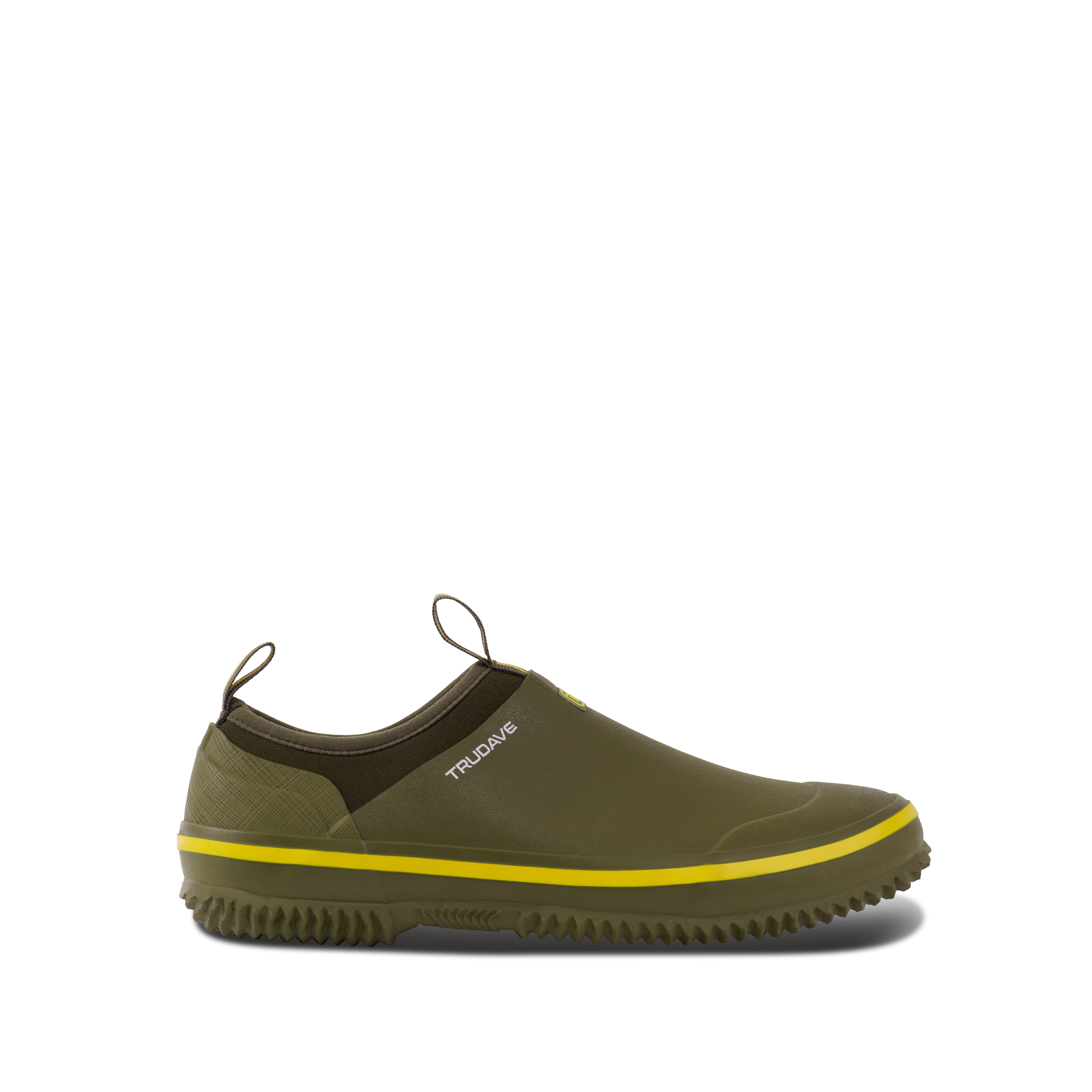
Deep, Open Lugs: Ideal for mud, snow, and loose dirt (like our GardenStride series). The open channels allow mud to fall out as you walk ("self-cleaning"), so you don't lose traction.
-
Siped Soles (Razor cuts): Ideal for wet, flat surfaces like boat decks or concrete. These tiny cuts squeegee water away to prevent hydroplaning.
Pro Tip
If you are working on wet slippery surfaces, look for a certified "Non-Slip" outsole rating. It can be the difference between staying dry and taking a swim.
2. Waterproofing Analysis (The "Dry" Factor)
"Water-resistant" and "Waterproof" are not the same thing.
-
Water-resistant: Can handle light rain, but will eventually soak through. (Think: Canvas or untreated leather).
-
100% Waterproof: Impermeable barriers. This is usually achieved through materials like Rubber or Neoprene.
-
The Construction: Check how the upper is joined to the sole. Vulcanized or injection-molded bonds are superior to glued seams, which can peel over time.
(Recommended: For absolute water immunity, the NeopreneTrek boots use a seamless lower construction.)
3. Insulation Levels (The "Warmth" Factor)
Cold feet will end your trip faster than anything else. Insulation is often measured in millimeters (for neoprene) or grams (for Thinsulate).
-
Uninsulated / Air Mesh: Best for summer fishing or active gardening where you generate your own heat.
-
Neoprene (3mm - 5mm): The sweet spot. Neoprene traps a thin layer of air against your body, keeping you warm in chilly autumn water without overheating you in the spring.
-
Heavy Duty (8mm+ or 800g+): Strictly for sub-zero stationary activities (like sitting in a deer stand).
4. Material Durability (The "Toughness" Factor)
How long will it last before cracking?
-
PVC: Cheap and lightweight, but can be stiff and prone to cracking in cold weather.
-
Rubber: More flexible and durable than PVC. It moves with your foot and resists cracking in freezing temps.
-
Neoprene: The ultimate for comfort and flexibility. It is resistant to oils, chemicals, and abrasion.
The TruDave Standard: We prioritize high-grade Rubber and Neoprene blends to ensure your boots don't crack after one season of use.
5. Weight vs. Support (The "Fatigue" Factor)
This is the trade-off everyone struggles with.
-
Heavy Boots: Usually offer more ankle support and steel toes but cause "foot fatigue" after 4 hours.
-
Lightweight Boots: Reduce muscle strain, allowing you to walk further and work longer.
-
The Verdict: Unless you are carrying 50lb packs over rocky mountains, lighter is usually better. Modern materials allow for decent support without the brick-like weight.
Our TrailMist shoes are designed to feel like nothing is on your feet, reducing back strain during long gardening sessions.
Summary: The Checklist
Before you buy, ask yourself:
-
Terrain: Do I need deep lugs (Mud) or flat grip (Deck)?
-
Water: Will I be submerged? (Go 100% Waterproof).
-
Temp: Am I moving (Light insulation) or sitting (Heavy insulation)?
-
Material: Is it flexible Rubber/Neoprene or stiff PVC?
-
Weight: Will heavy boots tire me out?
Ready to find your perfect match? Shop the TruDaveGear Performance Collection today.
Is Your Foundation Ruining Your Fishing?
Don't let a slippery deck or aching feet cut your day short. Stop sliding and start landing more fish.
Read The Guide
Additional Resources
For more on outdoor safety and conservation:
Thank you for reading. Check out Trudave’s official website for premium gear.