index

The Ultimate Summer Hunting Gear Kit: Stay Cool, Dry, and Bug-Free

TrudaveGear

Summer Hunting Route Map

Think of your summer kit like a route through hostile terrain: manage heat first, control moisture second, block insects third, and keep enough water in the system to finish the hunt.

Heat Control Moisture Management Bug Defense Hydration

Let’s be honest: hunting in July or August can feel like a survival test. The humidity is thick enough to cut with a knife, the mosquitoes are relentless, and walking just a few hundred yards to your blind can leave you drenched in sweat.

But for those chasing feral hogs, knocking down coyotes, or doing early-season scouting, staying out of the woods is not always an option.

The secret to summer hunting is not just toughing it out. It is about building a dialed-in gear system that manages heat, controls moisture, and keeps the bugs from ruining your sit.

Here is exactly how to build a summer hunting kit that actually keeps you comfortable.

Route Rule

Every Piece of Gear Should Solve a Summer Problem

If it does not cool you down, move moisture, protect your feet, block bugs, or help you stay hydrated, it is probably just extra weight.

1

Checkpoint One / Clothing

Ditch the Cotton, Embrace Synthetics

The old saying “cotton kills” is usually applied to cold weather, but it matters in summer too. Cotton absorbs your sweat, holds onto it, and blocks airflow, turning your shirt into a heavy, damp sauna.

Next-to-Skin Layer

Choose ultra-lightweight moisture-wicking synthetics, such as polyester blends, or featherweight Merino wool. These fabrics help pull sweat away from your skin and dry faster than cotton.

Ventilation

Look for hunting shirts with vented panels, mesh back zones, loose-but-controlled cuts, and sleeves that protect your skin without trapping heat.

2

Checkpoint Two / Footwear

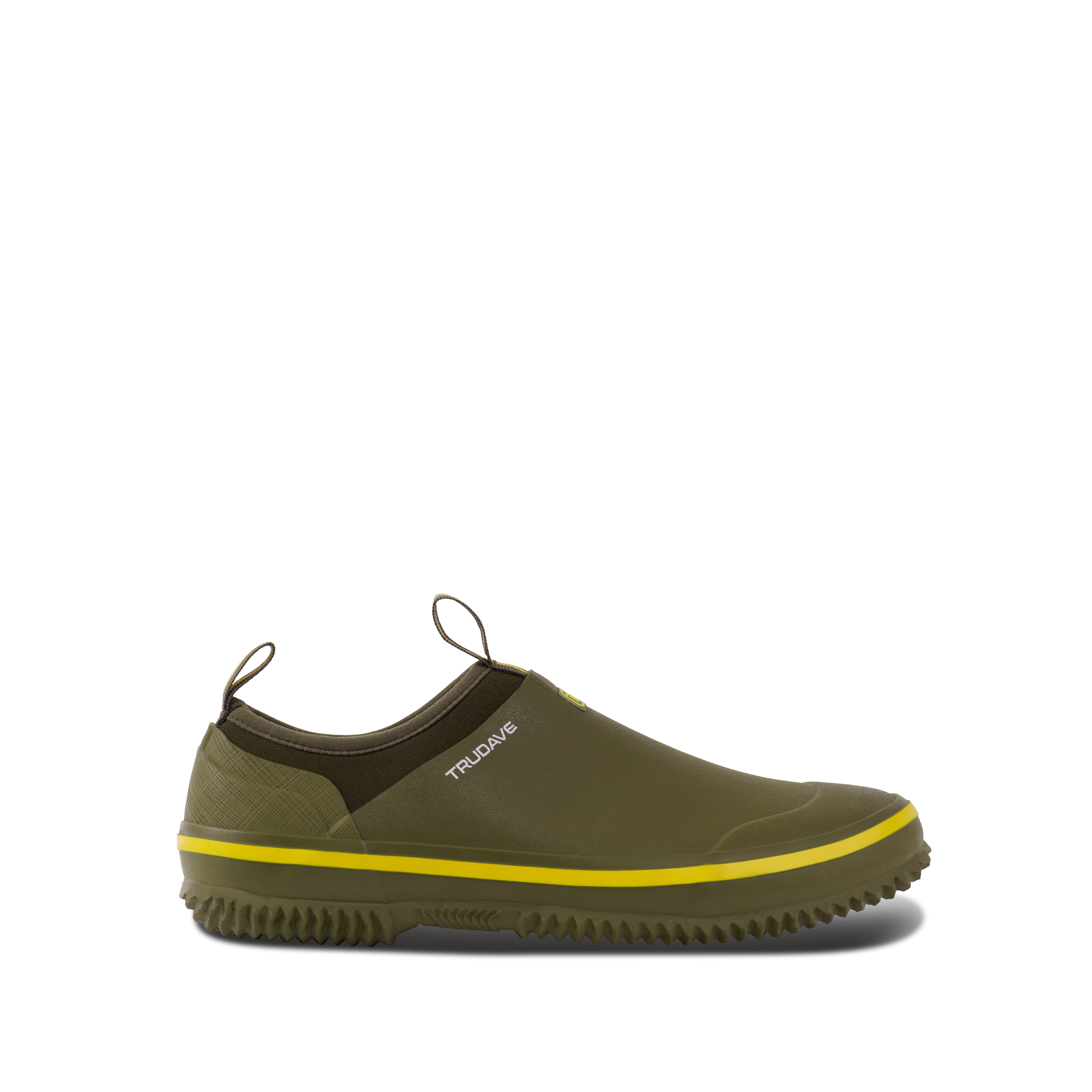
Why Uninsulated Rubber Boots Make Sense

It sounds counterintuitive to wear rubber boots in 90-degree weather, but ask any southern hog hunter or swamp stomper, and they will tell you it can be the right call.

Summer woods are wet, messy, and unpredictable. Creeks are flowing, morning dew can soak tall grass, and marshlands are at their peak. Add ticks, briars, mud, and scent control into the equation, and footwear becomes a core part of your summer system.

Choose uninsulated rubber. Skip heavy insulated boots when heat is the main problem.
Prioritize waterproof protection. Wet grass, creeks, mud, and marsh edges can soak ordinary footwear fast.
Match the risk. Standard rubber boots are not the same as snake-rated boots, so use snake-specific footwear in serious snake country.
Wear moisture-wicking socks. The right sock helps manage sweat inside the boot.
3

Checkpoint Three / Bug Defense

Build a Bug Defense Plan Before You Hunt

You can handle the heat, but getting swarmed by mosquitoes or pulling off a dozen ticks will ruin a hunt faster than almost anything else.

Treat your gear. Treat hunting clothes, packs, and boots with permethrin according to the product label. Do not apply permethrin directly to skin.
Protect exposed skin. Use an appropriate insect repellent where needed, especially around mosquitoes, ticks, chiggers, and biting flies.
Control the sit. A portable mosquito repeller can help you stay still once you are settled in a blind or stand. Always follow device instructions and local fire-safety rules.
4

Checkpoint Four / Hydration

Stay Hydrated: The Silent Hunt Killer

Dehydration sneaks up quickly when you are focused on the hunt. Heat, humidity, hiking, carrying gear, and sitting in heavy clothing can all increase how much fluid you lose.

Hydration Route Plan

Instead of guessing, build water into your plan before you leave the truck. Carry more than your minimum estimate and adjust for temperature, humidity, distance, and how much you sweat.

Before the Walk Drink water before you feel thirsty and start the hunt already hydrated.
During the Hunt Take regular water breaks instead of waiting until you feel drained.
Midday Heat Use shade breaks, cold bottles, and electrolytes when heat and sweat stack up.

Pro tip: freeze half of your water bottles the night before. They can act as ice packs in your pack during the morning hike, and you will have cold water by midday when the heat peaks.

Pack Map

Summer Hunting Loadout at a Glance

Base Layer

Ultra-Light Synthetic or Merino

Wicks sweat, dries fast, and helps reduce chafing.

Footwear

Uninsulated Rubber Boots

Waterproof, easy to clean, and useful for wet vegetation and mud.

Bug Control

Permethrin + Repellent

Helps reduce swatting, discomfort, and tick or mosquito exposure.

Headwear

Boonie Hat or Mesh Cap

Shades face and neck while helping heat escape.

Water

More Than Minimum

Heat stress can sneak up fast during summer hunts.

Socks

Moisture-Wicking Pair

Helps manage sweat and comfort inside rubber boots.

The Bottom Line

Summer Hunting Is a Route You Plan, Not a Test You Endure

The right summer hunting kit keeps you cooler, drier, quieter, and more focused. The wrong kit leaves you soaked, overheated, swatting bugs, and ready to quit early.

Build your system before the heat hits, and you will stay in the woods longer when other hunters head back to the truck.

Built for Mud, Heat, Wet Grass, and Long Summer Miles

Keep Moving When Summer Gets Ugly

TruDave boots are built for wet creek crossings, muddy trails, early scouting missions, and hot-weather hunts where comfort and protection matter.

Shop TruDave Hunting Boots

Authoritative Sources

Resources on Heat, Hydration, Ticks, and Mosquito Protection

Summer hunting conditions can create real heat and insect exposure risks. These resources provide helpful guidance on hydration, tick prevention, mosquito protection, and heat illness warning signs.

CDC — Preventing Tick Bites

CDC guidance recommends treating clothing and gear with products containing 0.5% permethrin to help prevent tick bites.

Read CDC tick prevention guidance

CDC — About Permethrin-Treated Clothing and Gear

CDC explains that permethrin can be used to treat boots, clothing, and camping gear, and that it helps kill or repel mosquitoes.

Read CDC permethrin gear guidance

CDC — Preventing Mosquito Bites

CDC recommends protective clothing, EPA-registered repellents, and permethrin-treated clothing and gear to reduce mosquito bites.

Read CDC mosquito prevention guidance

CDC / NIOSH — Heat Stress Recommendations

NIOSH heat guidance recommends frequent water intake during hot work, including regular water breaks during moderate activity in the heat.

Read NIOSH heat stress recommendations

CDC / NIOSH — Heat-Related Illnesses

CDC / NIOSH provides guidance on heat exhaustion and heat illness warning signs, including cooling down and taking frequent sips of water.

Read heat illness guidance

Leave a comment

Your email address will not be published. Required fields are marked *

Jack Callahan
Written by

Jack Callahan

Veteran Hunter & Field Gear Specialist
150 articles
Deer & Waterfowl Hunting

With over a decade of experience tracking game across rugged North American terrains, Jack knows exactly what it takes to thrive in the wild. He specializes in rigorous field-testing for hunting apparel, boots, and waders, combining his passion for authentic wilderness survival with expert gear reviews and practical tracking techniques.

You may so like

Blog

🎁 BLACKFRIDAY has been copied to your clipboard!
Coupon here!