Beginner Fishing Guide
New to fishing? Keep the gear simple, learn the basics, and focus on enjoying your first day on the water.
Walking into a tackle shop for the first time can be incredibly intimidating. Staring at the endless aisles of colorful lures, high-tech rods, and specialized gear is enough to make anyone’s head spin. If you're just looking to head down to the local lake and wet a line this weekend, you don't need to be a gear junkie with a bass boat.
Fishing is supposed to be relaxing, not a source of stress. If you're ready to pick up a rod for the first time, here are five essential tips to help you skip the frustration and start catching fish.
“Start simple. Stay comfortable. Fish where the fish actually live.”
Tip 01
Keep Your Tackle Simple
You do not need a $300 rod and reel combo to catch a bluegill or a stocker trout. Start with a medium-action spinning rod and reel combo, usually around 6 to 7 feet long. It’s versatile, forgiving, and easy to cast.
For your tackle box, stick to the basics:
- A pack of plain hooks, size 6 or 8 for panfish
- A few bobbers or floats
- Split-shot sinkers to get your bait down
- Live bait, such as nightcrawlers or red worms
Live bait is one of the best confidence-builders for new anglers because it gives you a simple, proven way to get bites early.
Tip 02
Dress from the Ground Up
There is an old saying in the outdoors: if your feet are miserable, you are miserable. Fishing often means dealing with morning dew, muddy banks, wet grass, boat splash, and slippery ground.
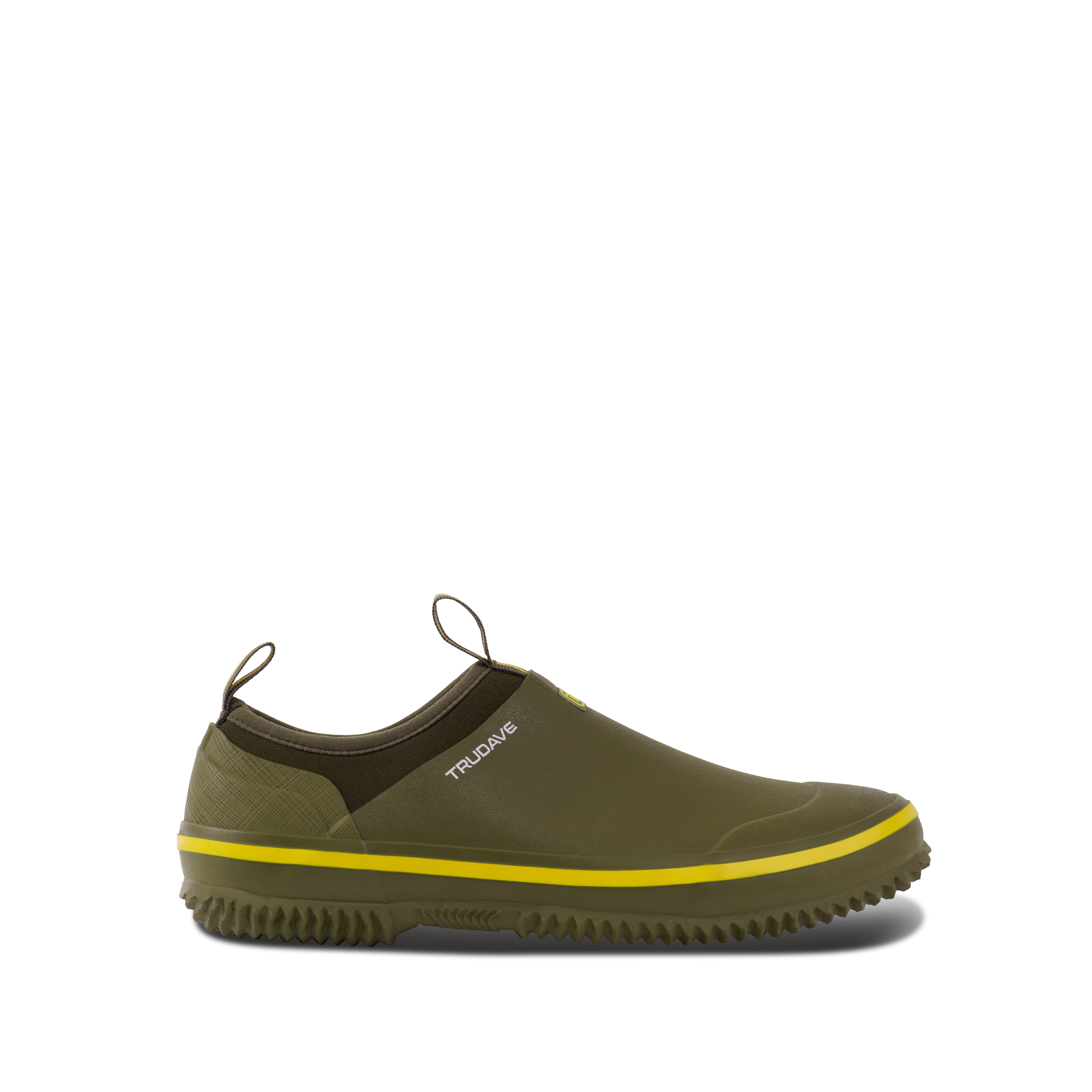
Invest in a solid pair of waterproof deck boots or reliable neoprene waders depending on how deep you plan to go. The right footwear helps you focus on the water instead of worrying about wet socks, mud, or unstable footing.
Field Note
Trust the manufacturer's design. Do not modify your shoes or boots by cutting them for a wider fit or poking holes for drainage. Altering factory footwear can ruin waterproofing, weaken support, and shorten the life of the gear.
The better move is simple: choose a high-quality pair that fits properly right out of the box.
Tip 03
Master One Basic Knot
You don't need to memorize a sailor’s handbook of knots. If you can tie a solid knot that won't slip when a fish strikes, you are golden.
Start by learning the Improved Clinch Knot or the Palomar Knot. Both are strong, easy to tie, and will work for most of the fishing you will do as a beginner.
Practice tying it at home with a shoelace or some spare line until it feels natural. The water is not the best place to learn a knot for the first time, especially when the fish are biting.
Tip 04
Cast Where the Fish Actually Live
Fish don't just swim aimlessly in the middle of open water. They like structure and cover because it makes them feel safe and helps them ambush food.
Instead of casting as far as you physically can out into open water, look for:
Fallen Trees
Wood creates shade, cover, and ambush points.
Weed Beds
Vegetation attracts baitfish and gives fish a place to hide.
Docks and Pilings
Shade and hard edges often hold fish.
Creek Mouths
Moving water can bring food, oxygen, and activity.
Targeting these “fishy” looking spots will drastically increase your odds of getting a bite.
Tip 05
Check Your Local Regulations
Nothing ruins a good day on the water faster than a hefty fine from the game warden. Before you make your first cast, hop online and check your state’s Department of Natural Resources, Fish and Wildlife, or local fisheries website.
Make sure you have a valid fishing license. Take a quick look at the size limits, catch limits, seasonal rules, bait restrictions, and special regulations for the body of water you are visiting.
Being a responsible angler means respecting the resource so the fish are there for the next generation.
The Bottom Line
Don't overthink it. Everyone starts somewhere, and every experienced angler on the water has spent their fair share of time untangling bird's nests from their reels or snagging trees. Grab some basic gear, head to the water, and enjoy the process. Tight lines!
Built for Wet Banks, Boat Decks, and Long Days Outside
Keep Your Feet Dry from the First Cast to the Last
Whether you're fishing from the bank, launching the boat, or walking through wet grass at sunrise, reliable waterproof footwear helps you stay comfortable and focused.
Shop Waterproof Fishing Boots