By Trudave Team
Outdoor Gear Advice
4 min read
This article is edited by Trudave. With years of expertise in waterproof apparel and footwear, Trudave aims to provide impartial and professional advice on selecting outdoor gear for different seasons. Visit our official website: trudavegear.com.
Introduction: The Hidden Cost of Uncomfortable Farm Boots
The sun’s barely up, a chill hangs in the air, and you’re already halfway through chores, mud clinging to every step. If your feet are screaming by noon, your farm boots are costing you more than you realize. Truly comfortable farm boots are essential for preventing foot, knee, and back pain, ensuring you can maintain productivity and health through long days.
Working on a farm isn’t a sprint; it’s a marathon, often through unforgiving terrain and weather. The right footwear isn’t a luxury; it’s a critical piece of equipment that directly impacts your well-being and efficiency. Ignoring comfort can lead to chronic issues that sideline you when the work can’t wait.
Beyond the Tread: What Makes a Farm Boot Truly Comfortable?
Comfort in farm boots goes far beyond just a soft insole; it’s about the holistic design that supports your body through hours of standing, walking, and bending. The best boots for farming integrate several key features to deliver ergonomic support.
Arch Support and Cushioning: Your Foundation for All-Day Work
Proper arch support is non-negotiable for anyone spending extended periods on their feet. It helps distribute weight evenly, reducing strain on the plantar fascia and preventing common issues like plantar fasciitis. Adequate cushioning, especially in the heel and forefoot, absorbs shock from hard surfaces, protecting your joints.
-
Anatomical Arch Support: Look for boots with built-in or removable insoles that conform to your foot’s natural arch.
-
Multi-Density Cushioning: Different foam densities can provide both soft comfort and firm support where needed.
-
Shock Absorption: Materials like EVA or PU in the midsole are crucial for mitigating impact over uneven ground.
💡 Pro Tip: Don’t assume all insoles are created equal. Many stock insoles are basic. Consider upgrading to an aftermarket orthotic designed for work boots if your current pair lacks sufficient arch support and cushioning.
The Importance of Proper Fit and Boot Construction
Even the most advanced boot technology is useless if the fit is wrong. A boot that’s too loose can cause chafing and blisters, while one that’s too tight can restrict circulation and pinch. Proper fit is paramount for comfortable farm boots.
Assessing Fit for Long-Duration Wear
When trying on boots, wear the type of socks you’d typically use for farm work. Walk around, climb stairs, and even squat down to simulate real-world movements. Your heel should lift minimally, and your toes should have room to wiggle without touching the end of the boot.
-
Toe Box Room: Enough space for toes to splay naturally, preventing crowding.
-
Heel Lock: A snug fit around the heel to prevent excessive slipping.
-
Ankle Support: Secure but not restrictive, protecting against twists and turns.
Materials and Flexibility: Moving with You, Not Against You
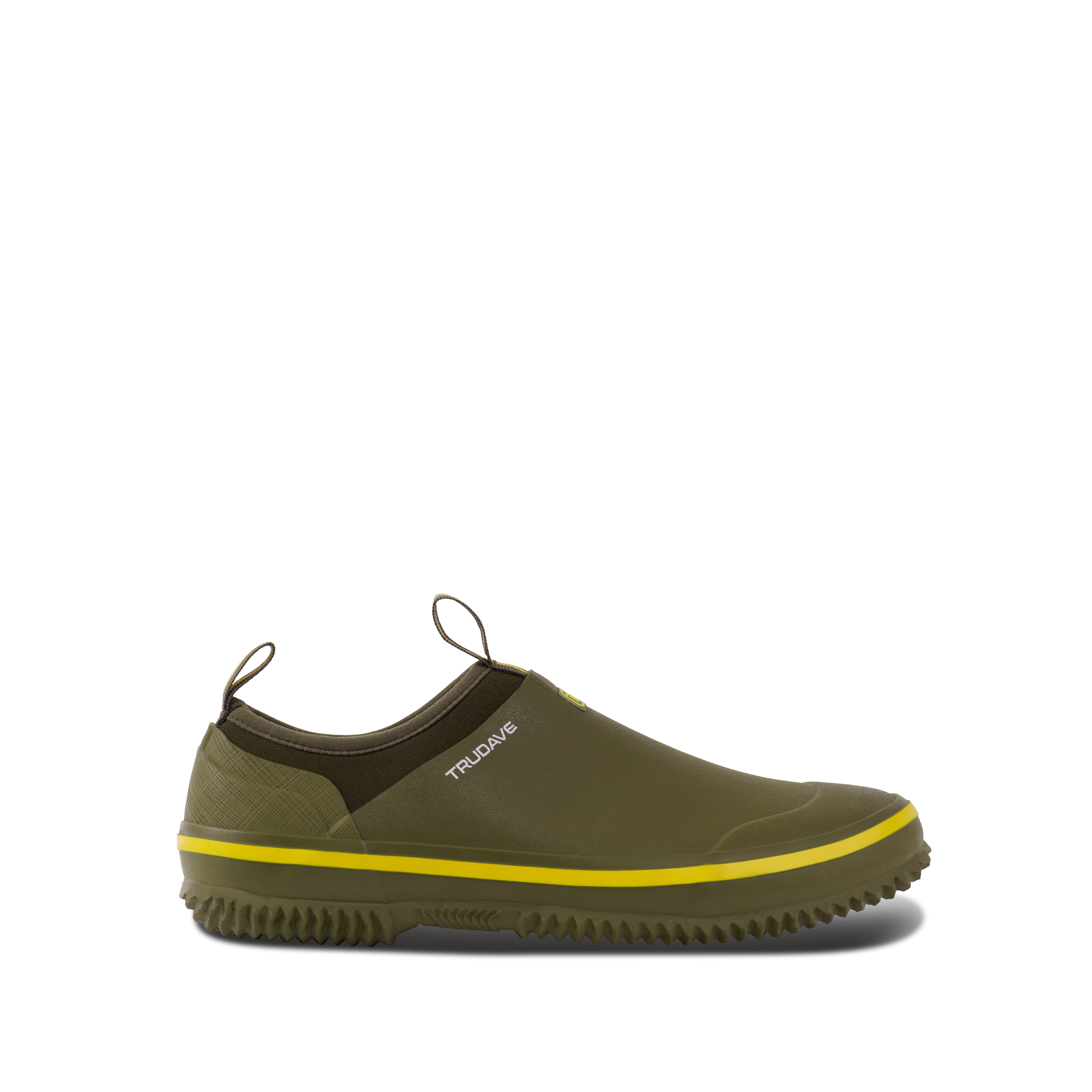
The materials used in a boot’s construction significantly impact its comfort and durability. Full-grain leather offers excellent breathability and molds to your foot over time, while high-quality rubber or synthetic uppers provide superior waterproofing and flexibility in muddy conditions. A flexible sole allows for natural foot movement, reducing fatigue.
Waterproofing and Breathability: Keeping Feet Dry and Healthy
Working on a farm means encountering mud, dew, and unexpected downpours. Waterproof work boots are a given, but true comfort also requires breathability. Trapped moisture leads to discomfort, blisters, and fungal infections.
Look for boots that combine a waterproof membrane (like Gore-Tex or similar proprietary technologies) with breathable materials. This allows perspiration to escape while keeping external moisture out. A dry foot is a comfortable and healthy foot, especially during long summer days or unexpected wet spells.
Traction and Stability: Preventing Fatigue and Injury
Uneven, muddy, or slick surfaces are a daily reality on the farm. Excellent traction and stability are crucial, not just for safety, but for reducing the energy expenditure that leads to fatigue. A stable platform underfoot means less effort spent balancing.
-
Aggressive Outsole Lugs: Deep, multi-directional treads provide grip in various conditions.
-
Wide Base: A broad sole offers a stable foundation, reducing ankle rolls.
-
Shank Support: A steel or composite shank provides rigidity, supporting the arch and reducing fatigue when standing on ladders or uneven ground.
Maintenance for Lasting Comfort and Health
Even the best comfortable farm boots require care to maintain their performance and prolong their lifespan. Regular cleaning, conditioning, and proper storage are essential.
-
Clean Regularly: Remove mud and debris after each use to prevent material breakdown.
-
Condition Leather: Keep leather supple and prevent cracking with appropriate conditioners.
-
Dry Thoroughly: Allow boots to air dry completely, away from direct heat, to prevent odor and material degradation. Boot dryers can be a game-changer.
-
Inspect and Replace: Periodically check insoles, laces, and outsoles for wear and replace components as needed. Don’t wait until discomfort sets in.
Conclusion: Invest in Your Well-being with Comfortable Farm Boots
The long hours and demanding conditions of farm work make comfortable farm boots an investment in your long-term health and productivity. Prioritizing features like superior arch support, ample cushioning, proper fit, effective waterproofing, and reliable traction will pay dividends in reduced pain and increased endurance. Don’t settle for boots that leave your feet aching; choose footwear designed to support you through every demanding day on the farm. Your body will thank you.
Ready for Your Next Expedition?
Explore Trudave's latest line of rugged outdoor footwear and waterproof gear, built for the folks who don't back down from a little mud and nasty weather.
Shop Trudave Gear