Cart
0
Gear & Equipment
The early morning mist hung heavy over the Yellowstone, the roar of the river a constant companion as I rigged my fly rod. A week of heavy rains upstream had transformed the familiar bends into a churning torrent, and understanding those safe fishing water levels was the only way I'd be making it home that evening. For any angler in the USA, knowing how to read and react to river water levels is not just about catching fish; it's fundamental to your safety and success on the water.
River conditions can shift dramatically, often without warning, turning a tranquil fishing spot into a dangerous trap. This article will guide you through monitoring water levels, identifying potential hazards, and adapting your fishing strategies to stay safe and productive in unpredictable American rivers.
Essential Tools for Anglers
Before you even pack your truck, a quick check of river conditions is non-negotiable. Understanding safe fishing water levels starts with reliable data. The USGS (U.S. Geological Survey) provides real-time streamflow data for thousands of gauges across the country, offering crucial insights into current conditions and historical averages. This data is your first line of defense against unexpected high water or dangerously low flows.
- USGS National Water Information System (NWIS): The gold standard for real-time streamflow, gauge height, and historical data.
- NOAA River Forecast Center (RFC): Provides flood forecasts and detailed river predictions, especially critical during heavy rain seasons.
- Local Fishing Reports & Forums: Often offer ground-level observations that complement official data, providing context on clarity and specific hazards.
- Weather Apps with Hydrological Data: Some advanced weather apps integrate river levels directly, offering a convenient, consolidated view.
Always cross-reference multiple sources. A single data point might be misleading; a consensus from several sources paints a clearer picture of the river's true state.
Submerged Obstacles and Strong Currents
High water doesn't just mean a faster current; it conceals a multitude of dangers. What was a visible rock garden at normal flows can become a treacherous, unseen minefield of snags and eddies. Understanding river level safety fishing means recognizing these hidden threats.
- Sweepers and Strainers: Trees or debris partially submerged can create powerful currents that pin you against them, making escape nearly impossible.
- Undercut Banks: Eroded banks can collapse without warning, especially when saturated by high water, posing a severe fall risk.
- Increased Current Velocity: Even a slight increase in water depth can exponentially increase current speed and force, making wading unsafe.
- Turbidity and Debris: Murky water reduces visibility, hiding hazards, while floating debris can strike you or your gear.
Always assume that high water conditions amplify every existing river hazard. If you can't see the bottom, or if the current feels too strong to maintain stable footing, it's time to reconsider your wading strategy or find a safer spot.
Tactics for Success and Safety
Fishing in changing water requires a fundamental shift in approach. Fish behavior changes, and your casting, presentation, and even your entry and exit points need adjustment. Successful fishing in changing water is about smart adaptation.
- Target Slack Water: Fish will often move out of the main current into slower eddies, seams, and behind structure to conserve energy.
- Heavier Tackle: Stronger currents demand heavier lines, sink tips, and weights to get your flies or lures down to the strike zone.
- Shorter Drifts: High water means faster drifts; focus on shorter, more controlled presentations to give fish time to react.
- Bank Fishing & Boat Access: Consider fishing from the bank or using a boat if wading becomes too risky. Always wear a PFD in a boat, especially in high water.
💡 Pro Tip: When the river is high and fast, think like a fish trying to avoid the treadmill. Focus your efforts on the edges, behind large rocks, or in any pocket of slower water where fish can rest and ambush prey without expending too much energy.
Reliable Waterproof Gear for High Water
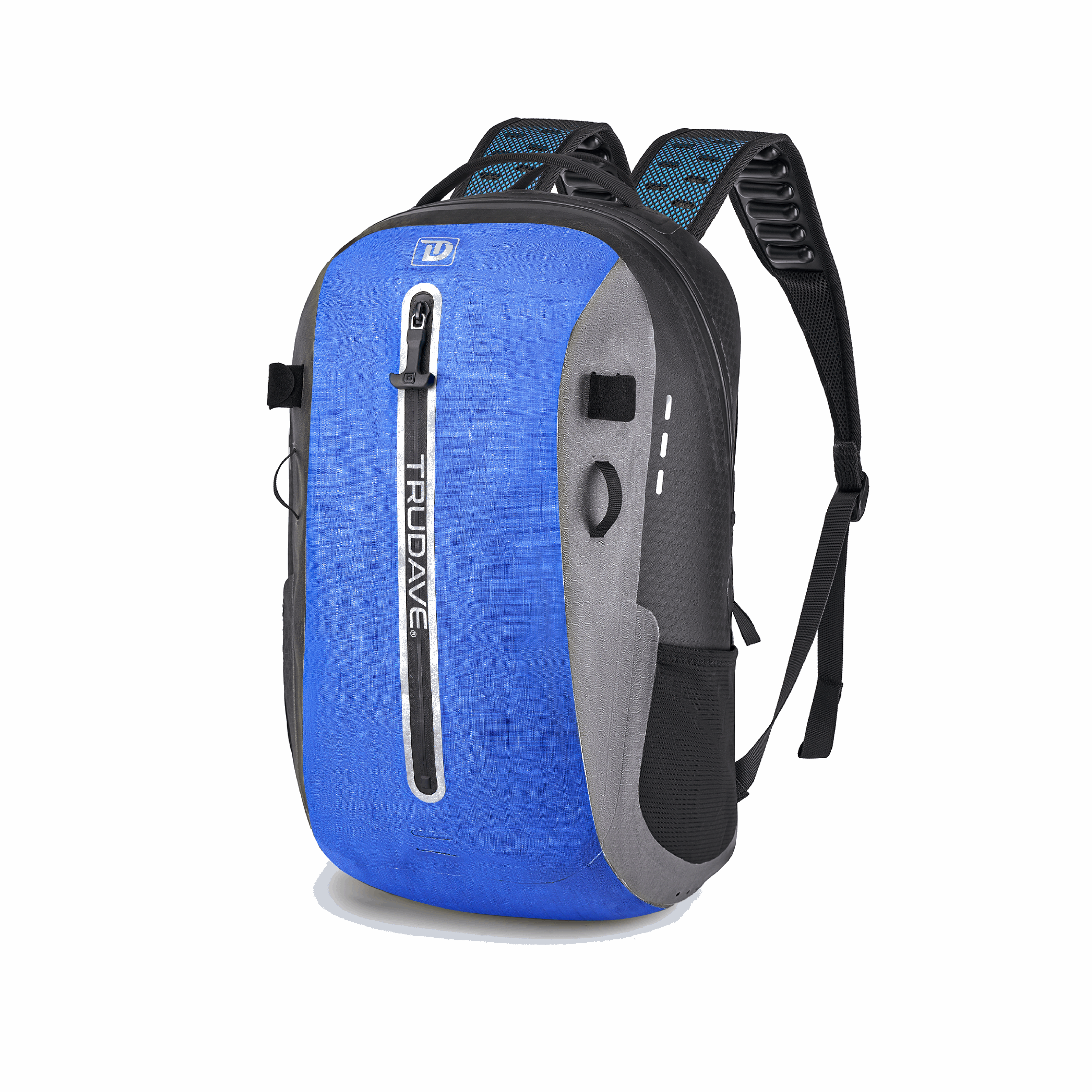
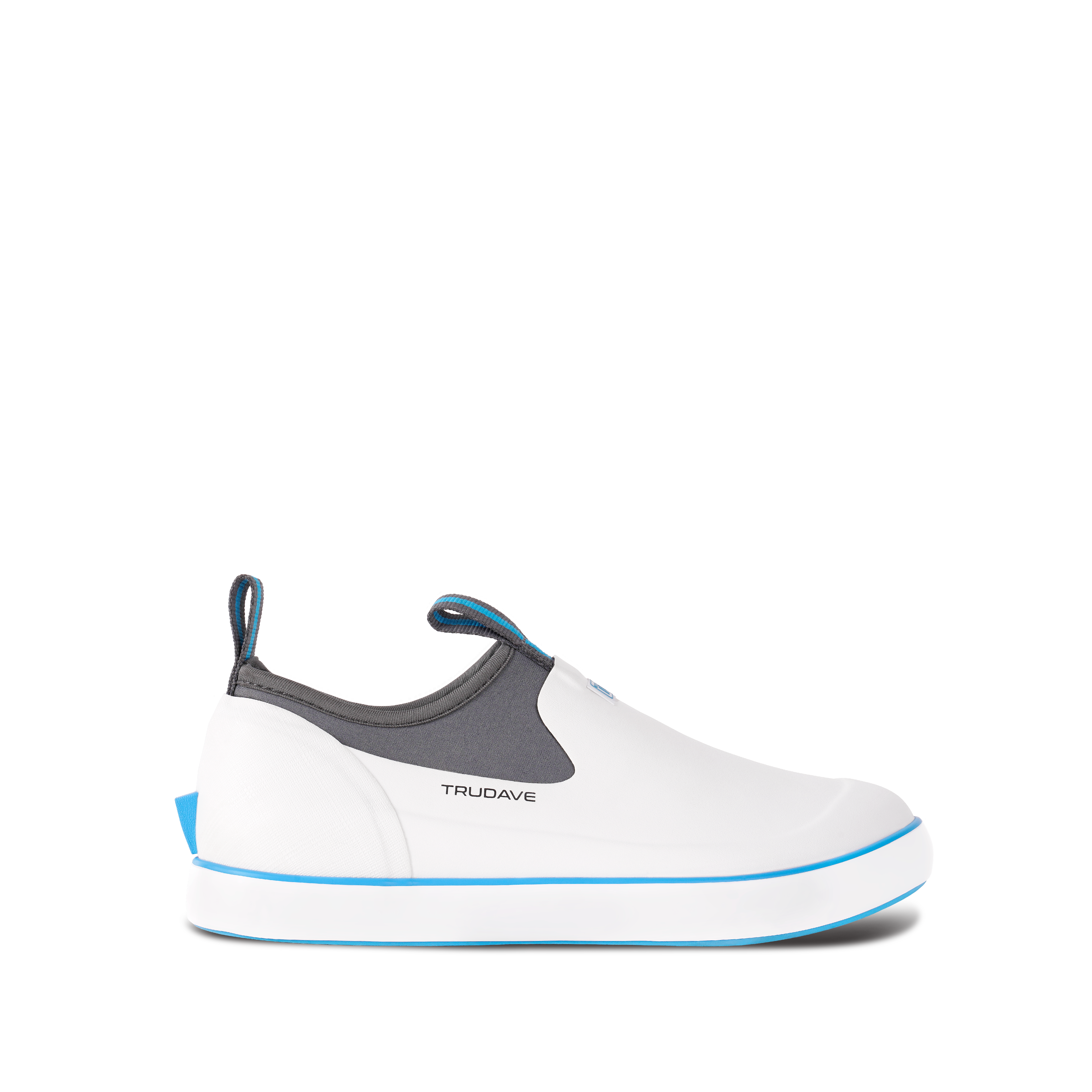
Your gear is your last line of defense against the elements and unpredictable conditions. When dealing with high water, the importance of reliable waterproof gear cannot be overstated. From your head to your toes, every piece of clothing needs to perform.
- Waders: Invest in durable, breathable waders with reinforced knees and seat. They need to withstand abrasions from submerged debris and provide reliable waterproofing.
- Wading Boots: Traction is paramount. Look for boots with aggressive outsoles (felt, rubber, or a combination) and the option for studs or cleats for maximum grip on slippery, submerged rocks.
- Waterproof Outerwear: A high-quality waterproof jacket and pants are essential to stay dry from rain and spray, preventing hypothermia in cold conditions.
- Layering System: Beneath your waterproof shell, a proper layering system (base, mid-layers) will manage moisture and provide insulation, crucial for long days in cold, wet environments.
Your gear needs to be as adaptable as your fishing strategy. Don't compromise on quality when your safety and comfort are on the line, especially when facing challenging river conditions.
Your Safety Protocol
A systematic approach to assessing water levels before each trip can prevent dangerous situations. This checklist ensures you've covered all bases for safe fishing water levels.
- Check USGS & NOAA: Verify current gauge height, flow rates, and any flood advisories. Compare to historical averages.
- Review Local Forecast: Look for recent and upcoming precipitation that could impact river levels.
- Assess Access Points: Are your usual entry and exit points safe? Are they submerged or excessively muddy?
- Identify Escape Routes: In case of a sudden rise, know where you can safely exit the river.
- Inform Someone: Always let someone know where you're going and when you expect to return.
- Pack Emergency Gear: Whistle, knife, first-aid kit, and a fully charged phone are non-negotiable.
Preparation is not paranoia; it's prudence. A few minutes spent on this checklist can be the difference between a memorable day on the water and a preventable emergency.
The allure of American rivers is undeniable, but their power demands respect. Understanding safe fishing water levels is not merely a skill; it's a critical component of responsible angling. By consistently monitoring conditions, recognizing hazards, adapting your tactics, and relying on robust waterproof gear, you equip yourself for both success and safety.
Never underestimate the river. Stay informed, stay prepared, and always prioritize your well-being. The fish will always be there, but your safety is paramount.
Explore The New Standard of Gear