The early morning mist still clung to the water, a familiar chill in the air as I watched a buddy cast his line. Suddenly, a splash, then another, and he reeled in not one, but three chunky bass. The lure responsible for this spectacle, and the one that famously shook the competitive fishing world, was the Alabama Rig. This multi-lure umbrella rig was banned from many bass tournaments due to its perceived unfair advantage, sparking a debate that still echoes across the angling community.
The Alabama Rig, or A-Rig as it's often called, burst onto the scene in 2011, quickly becoming a controversial powerhouse. Its ability to mimic a school of baitfish proved devastatingly effective, leading to unprecedented catches and, inevitably, a re-evaluation of tournament rules across the country.
At its core, the Alabama Rig is an umbrella-style lure featuring multiple wire arms extending from a central head, each tipped with a swivel and snap. Anglers attach various swimbaits, grubs, or other soft plastics to these snaps, creating a realistic school of baitfish. This design fundamentally changed how bass perceived and attacked lures.
The visual impact of five or more lures swimming in unison is undeniable. Bass, especially those targeting schools of shad or other forage, found it irresistible. This effectiveness, however, quickly raised questions about fair play in tournaments.
Why the Alabama Rig Was So Effective
-
Mimics a School: The rig perfectly imitates a small school of baitfish, a natural target for predatory bass.
-
Increased Visibility: Multiple lures create a larger profile, making it easier for bass to spot from a distance.
-
Multiple Hook-Ups: The potential to catch more than one fish at a time was a significant advantage, and a major point of contention.
-
Versatility: It could be fished at various depths and speeds, adapting to different conditions.
The rapid success of the Alabama Rig in tournaments, particularly its debut at the FLW Tour Open on Lake Guntersville, led to immediate scrutiny. Anglers were consistently bringing in heavier bags, often with multiple fish caught on a single cast. This challenged the traditional understanding of 'one lure, one fish' and the skill sets typically tested in competitive bass fishing.
The primary reason for the ban was the perceived unfair advantage it offered, potentially reducing the skill element of finding and enticing individual fish. Tournament organizers felt it skewed the playing field too heavily in favor of the rig, rather than the angler's ability to pattern fish or present a single bait effectively.
Field Notes: Tournament IntegrityI've seen firsthand how a game-changing lure can disrupt the balance. The debate wasn't just about catching fish, but about preserving the integrity of competitive angling and ensuring a level playing field for all participants. It's a fine line between innovation and unfair advantage.
While many major bass tournament circuits, such as B.A.S.S. and FLW (now MLF), quickly moved to ban or heavily restrict the Alabama Rig, its legality varies significantly outside of these specific events. The key often lies in state fishing regulations regarding the number of hooks allowed per line.
Most states have a limit on the number of hooks an angler can use on a single line. If a state's regulation allows for, say, three hooks, then an A-Rig with five hooks would be illegal for general fishing, not just tournaments. Conversely, if a state allows more, or has no specific limit, the rig might be perfectly legal for recreational use.
💡 Pro Tip: Before heading out with an Alabama Rig, always check both the specific tournament rules and your state's local fishing regulations. These rules can change, and ignorance is no excuse for a citation or disqualification. A quick check of the state fish and wildlife website can save you a lot of trouble.
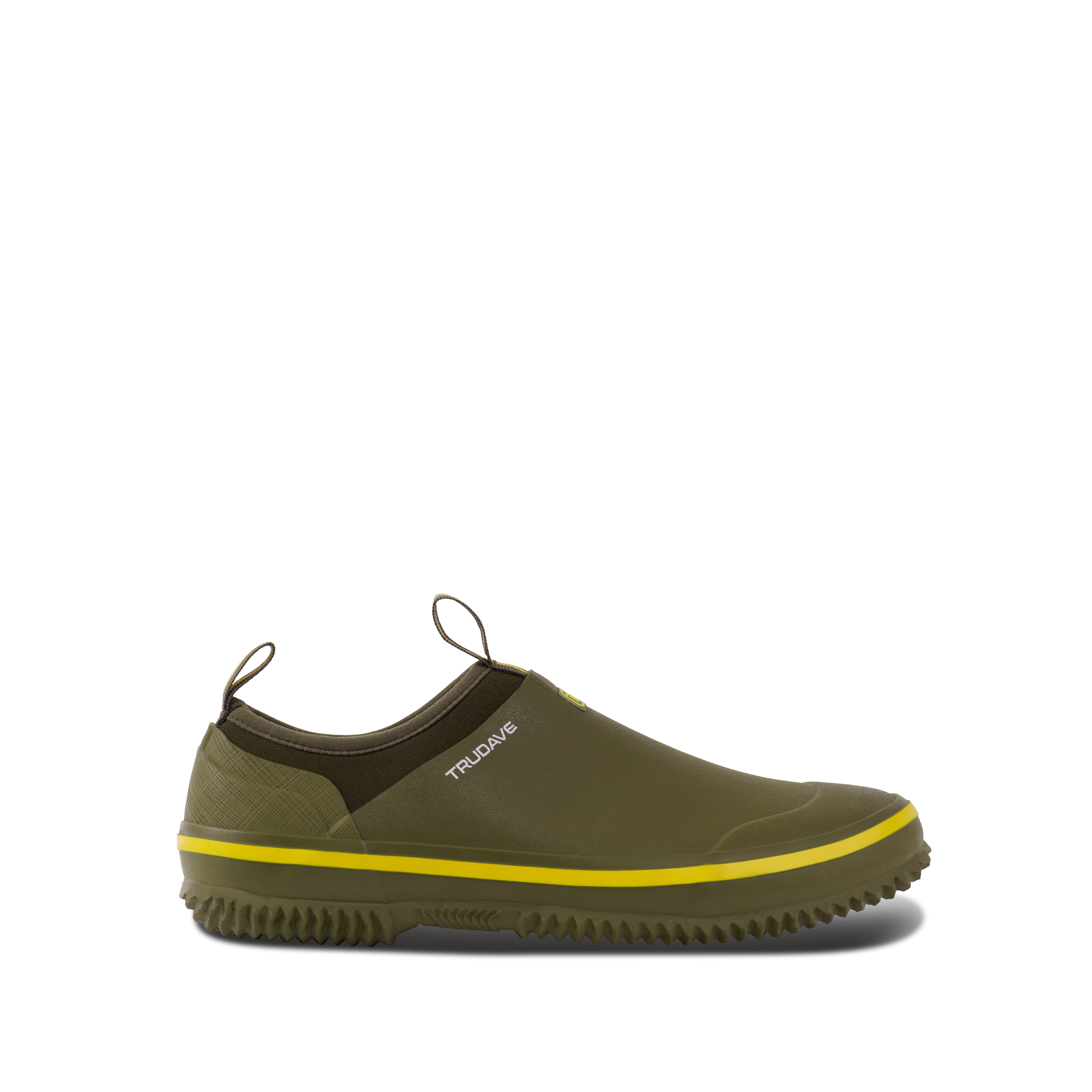
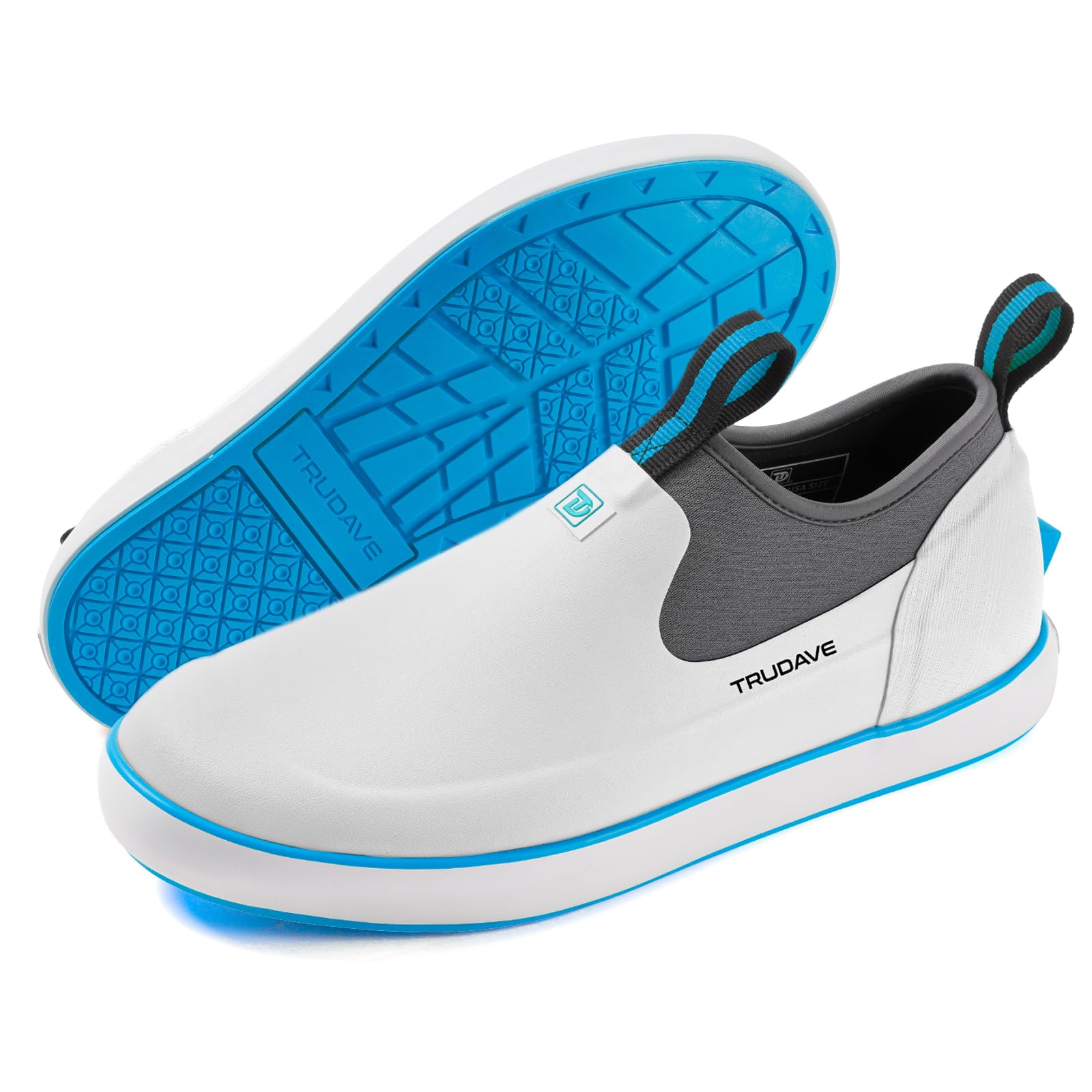
After all that talk about tackle, let’s talk about the pair of shoes standing between you and the water. When bass fishing takes you from the boat to wet docks, ramps, rocks, and muddy shorelines, reliable waterproof footing matters just as much as what is tied to your line.
Fishing Footwear Pick
Trudave NeopreneTrek Waterproof Slip-On Fishing Deck Boots
$55.99
$79.99
Built for anglers moving between boats, docks, launch ramps, and wet shoreline terrain.
- Waterproof rubber and neoprene upper
- Non-marking wet-deck traction outsole
- Easy slip-on design for quick fishing trips
Shop NeopreneTrek
Despite the bans in professional circuits, the Alabama Rig has left an indelible mark on bass fishing. It forced anglers and lure manufacturers to think differently about presentation and baitfish imitation. Even in tournaments where the full A-Rig is banned, variations and single-lure interpretations of its principles have emerged.
Manufacturers responded by creating smaller, more compact umbrella rigs, or rigs designed to hold fewer baits to comply with hook limits. Anglers, in turn, learned to adapt their techniques, often using single swimbaits more effectively after seeing the A-Rig's success in mimicking a school.
For recreational anglers, the Alabama Rig remains a highly effective tool, especially when bass are keying in on schooling baitfish. However, responsible use is paramount. This includes understanding the potential for multiple hook-ups and being prepared to handle fish efficiently to minimize stress and mortality.
When fishing the A-Rig, consider using heavier gear to manage the weight of the rig and any potential multiple fish. A stout rod, strong line, and a reliable reel are essential. Also, be mindful of where you're casting to avoid snags, as losing an A-Rig can be a costly affair.
The Alabama Rig undeniably changed the landscape of bass fishing. It was a lure so effective that it was banned from many bass tournaments, not because it was inherently bad, but because it challenged the very nature of competitive angling. While its full potential is restricted in professional circuits, its legacy lives on through innovative lure designs and a deeper understanding of how bass feed on schooling bait. For recreational anglers, it remains a powerful, albeit controversial, tool in the tackle box, a testament to its undeniable effectiveness.
Ready for the Field?
When the hunt demands absolute waterproof protection without the clunky weight, TruDave Gear delivers. Explore our lightweight, steel-shank-free rubber boots.
Shop TruDave Rubber Boots
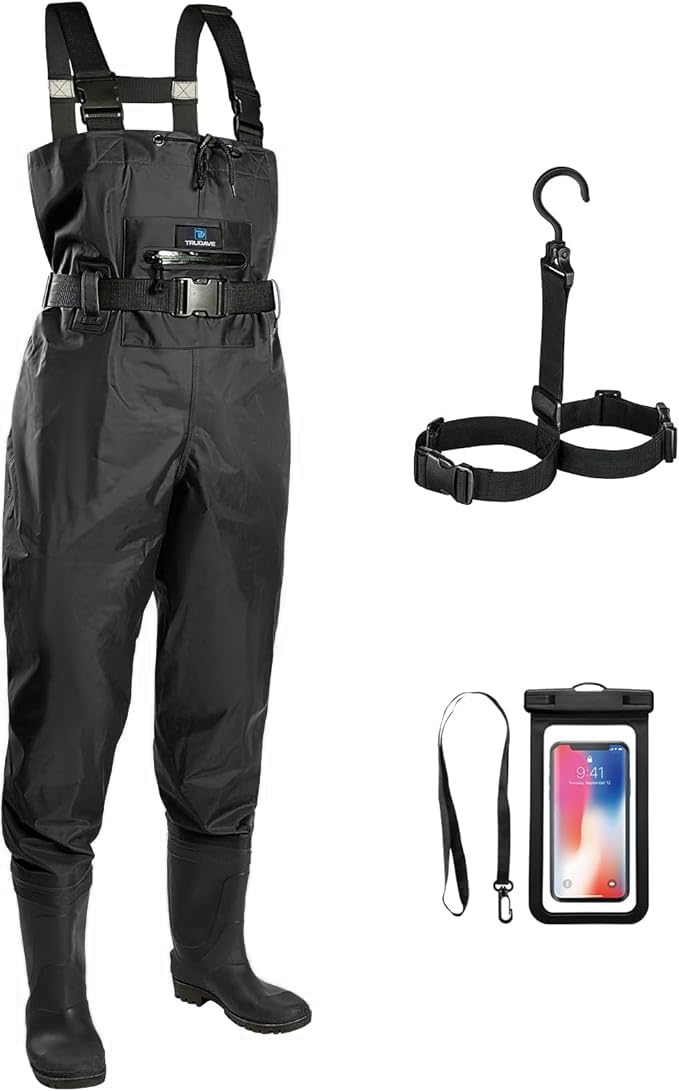
When the next cast takes you beyond the bank, footwear alone may not be enough. Anglers who step farther into rivers, ponds, and shallow water need waterproof coverage built for actual wading.
For Wading Beyond the Bank
Trudave AnglerPro Lightweight Waterproof Fishing Chest Waders With Boots
$69.88
$94.99
A lightweight bootfoot option for anglers who need more coverage while fishing rivers, muddy banks, and shallow water.
- Waterproof PVC-coated nylon construction
- Integrated rubber boots with wet-surface traction
- Lightweight build for longer fishing sessions
Shop AnglerPro