Lure Color Lab
What Color Lure Do Fish Bite the Most?
Fish do not have one magic favorite color. They react to contrast, visibility, forage match, depth, water clarity, and light conditions. The trick is knowing which color makes sense before your next cast.
Open any serious angler’s tackle box, and you will be blinded by a rainbow of plastics, crankbaits, and jigs. From bone white and translucent shad to neon pink and aggressive chartreuse, the options are endless.
This brings up the oldest debate on the water: what color do fish actually bite the most?
If you ask an old-school guide, they might tell you, “If it ain’t chartreuse, it ain’t no use.” Ask a tournament pro, and they will give you a 20-minute lecture on light refraction.
The truth sits somewhere in the middle. Fish do not necessarily have a universal favorite color, but they absolutely react differently to colors based on water clarity, sunlight, depth, and how easily they can detect your bait.
Here is the real-world guide to choosing the right lure color for your next trip on the water.
Color Formula
Do Not Pick a Color First. Read the Water First.
The best lure color is usually the one that solves the visibility problem in front of you. Clear water calls for realism. Dirty water calls for contrast. Deeper water changes how colors appear. Sky conditions control flash.
Lab Test 01
The Golden Rule: Water Clarity Dictates Everything
Before you look at the sky or your sonar, look over the gunwale. Water clarity is the single biggest factor in how a fish perceives your bait.
Clear Water
Go Natural
In high visibility, fish rely heavily on sight. Stick to forage-based colors: translucent greens, silvers, whites, pearl, smoke, light browns, and shad-style patterns.
Stained Water
Go Bright
When visibility drops, bright colors help your bait stand out. Chartreuse, orange, neon green, and bold accent colors can help fish locate the lure faster.
Muddy Water
Go Dark
In the muddiest water, dark colors can create the strongest silhouette. Black, black-and-blue, and deep purple often show up better than subtle natural colors.
The Black-and-Blue Secret
It sounds backwards, but black and dark blue can be deadly in dirty water because they create a bold outline. When fish cannot inspect details, silhouette matters.
Lab Test 02
The Depth Factor: How Colors Disappear
Water absorbs light, and it does not treat every color equally. As your bait gets deeper, the color you see in your hand may not be the color a fish sees below the surface.
Red and orange tones are filtered out sooner than blues and greens. Exact depth changes with water clarity, algae, sediment, and sun angle, but the principle remains the same: warm colors fade earlier, while blue and green wavelengths carry farther in clear water.
Color Retention Lab Notes
Red
Fades early and can look dark at depth
Orange / Yellow
Good shallow visibility, weaker deeper
Green
Carries better in many water conditions
Blue
Penetrates deepest in clear ocean water
If you are jigging deep structure or dropping baits down 50-plus feet, blue, green, darker silhouettes, glow, or UV-reflective accents may maintain visibility better than a red lure chosen only because it looked good in the package.
Lab Test 03
Sky Conditions: Match the Light
The amount of ambient sunlight hitting the water changes how your lure flashes. The same bait can look completely different under direct sun, cloud cover, chop, or shade.
Bright Sun
Silver, Chrome, and Flash
On bright, sunny days, silver and chrome finishes can imitate the flash of baitfish scales under direct light. This is especially useful when fish are feeding visually.
Cloud Cover
Gold, Copper, Bone, and Matte
On overcast days, softer metallics and matte finishes often show up better. Gold, copper, bone white, and muted colors can catch low light without looking washed out.
Stamina Wins the Bite
Figuring out the exact color fish want on any given day requires one thing above all else: time on the water.
You are going to stand on the deck, swap jigs, retie leaders, work different depths, and cast repeatedly until you crack the code. If your feet and lower back are throbbing after four hours, you are not going to have the patience to keep grinding through your tackle box.
Just like dialing in your lure presentation, dialing in your deck comfort is non-negotiable.
Traditional Marine Staples
Heavy-duty brands like Grundéns and classic slip-ons from XTRATUF have their place, especially for anglers who already know the fit and feel they prefer.
Modern Supportive Deck Comfort
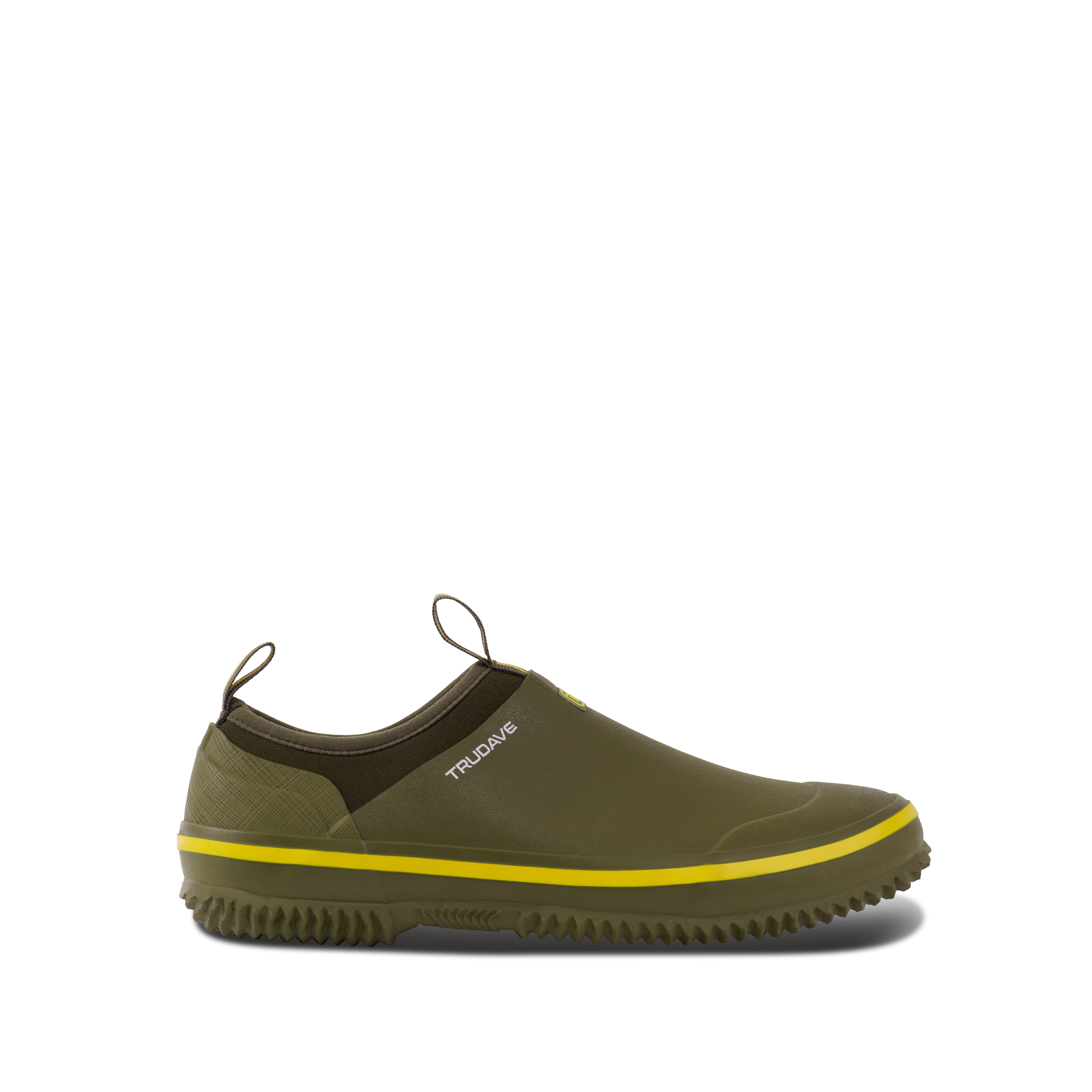
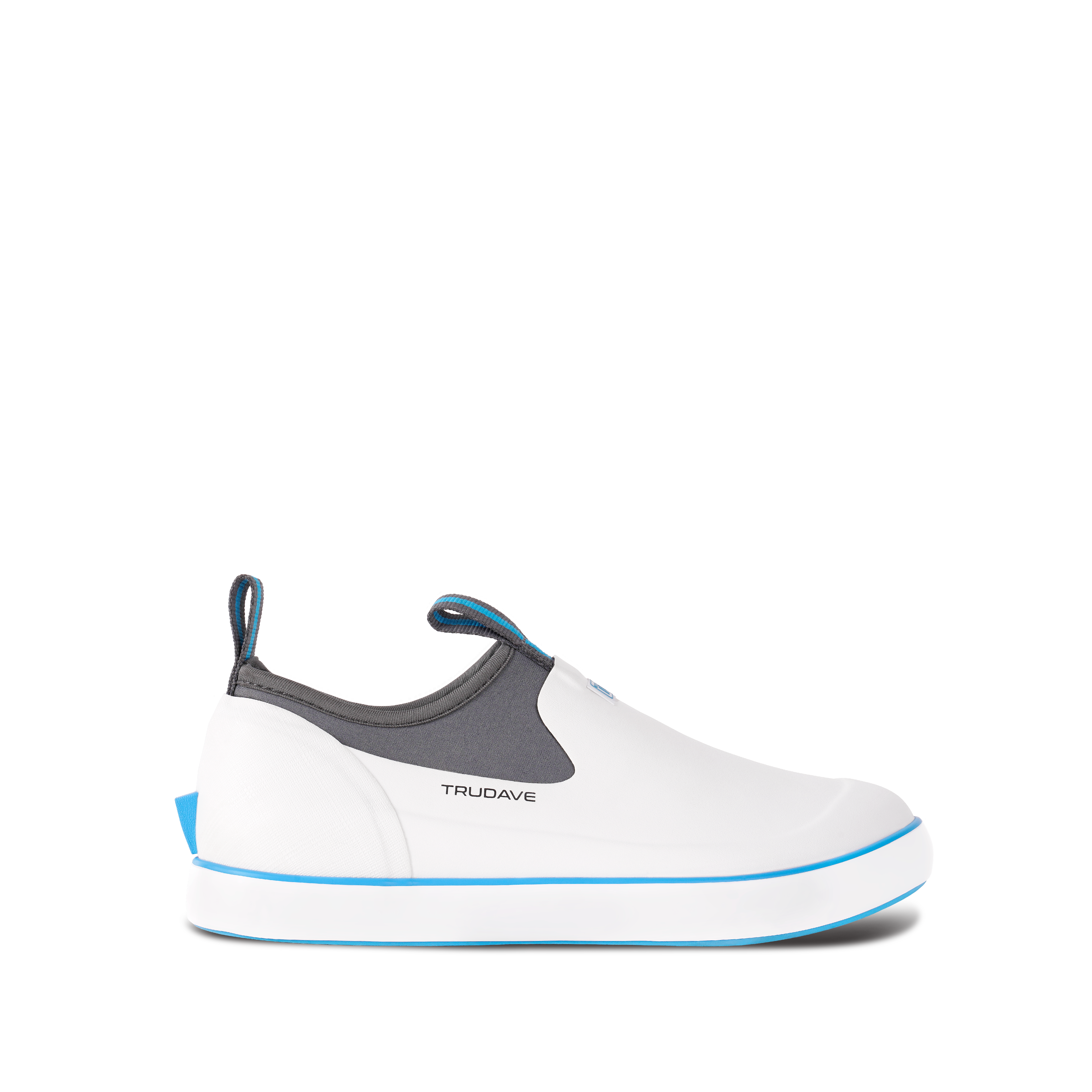
Anglers looking to reduce deck fatigue may prefer biomechanically supportive options like the Trudavegear Performance Deck Boot, built for grip, support, and long hours on wet surfaces.
Trudavegear uses an ergonomic footbed to help support long standing hours, paired with a micro-siped outsole built for wet fiberglass, spray, bait slime, and washdowns. The goal is simple: stay locked in, comfortable, and focused on the bite instead of your aching back.
The Bottom Line
There Is No Magic Color, But There Is a Smart System
No single lure color works 100% of the time. But if you follow a basic system — natural colors for clear water, bright or dark silhouettes for dirty water, and smart adjustments for depth and sky conditions — you will make better decisions faster.
Load up on the essentials, wear comfortable deck boots, and get out there to see what they are biting today.
Built for Long Casting Sessions and Wet Decks
Stay Comfortable While You Crack the Bite
Trudavegear deck boots are built for anglers who spend real time on their feet — casting, washing down, moving across wet fiberglass, and staying focused until the pattern finally clicks.
Shop Trudavegear Deck Boots
Authoritative Sources
Resources on Underwater Light, Fish Senses, Lure Selection, and Deck Safety
Lure color selection depends on water clarity, light, depth, forage, and fish behavior. These resources provide useful scientific and practical context.
NOAA Ocean Exploration — Light and Color in the Deep Ocean
NOAA explains that red light disappears at shallower depths while blue light penetrates deepest in the water column.
Read NOAA light and color resource
NOAA Ocean Exploration — Why Are So Many Deep-Sea Animals Red?
NOAA describes how blue light penetrates best, followed by green, yellow, orange, and red, with red filtered out quickly as depth increases.
Read NOAA color-depth explanation
Texas Parks and Wildlife — Fish Senses and Lateral Line
TPWD explains that fish use the lateral line to detect movement and vibration in the water.
Read TPWD aquatic science chapter
Missouri Department of Conservation — Smallmouth Bass Fishing
MDC advises anglers to consider the size and color of prey in a body of water and choose lures to match.
Read MDC lure matching guidance