Care & Maintenance Guide
Premium marine and hunting footwear requires precise upkeep. Preserve the structural integrity of your gear with these engineering-backed maintenance protocols.
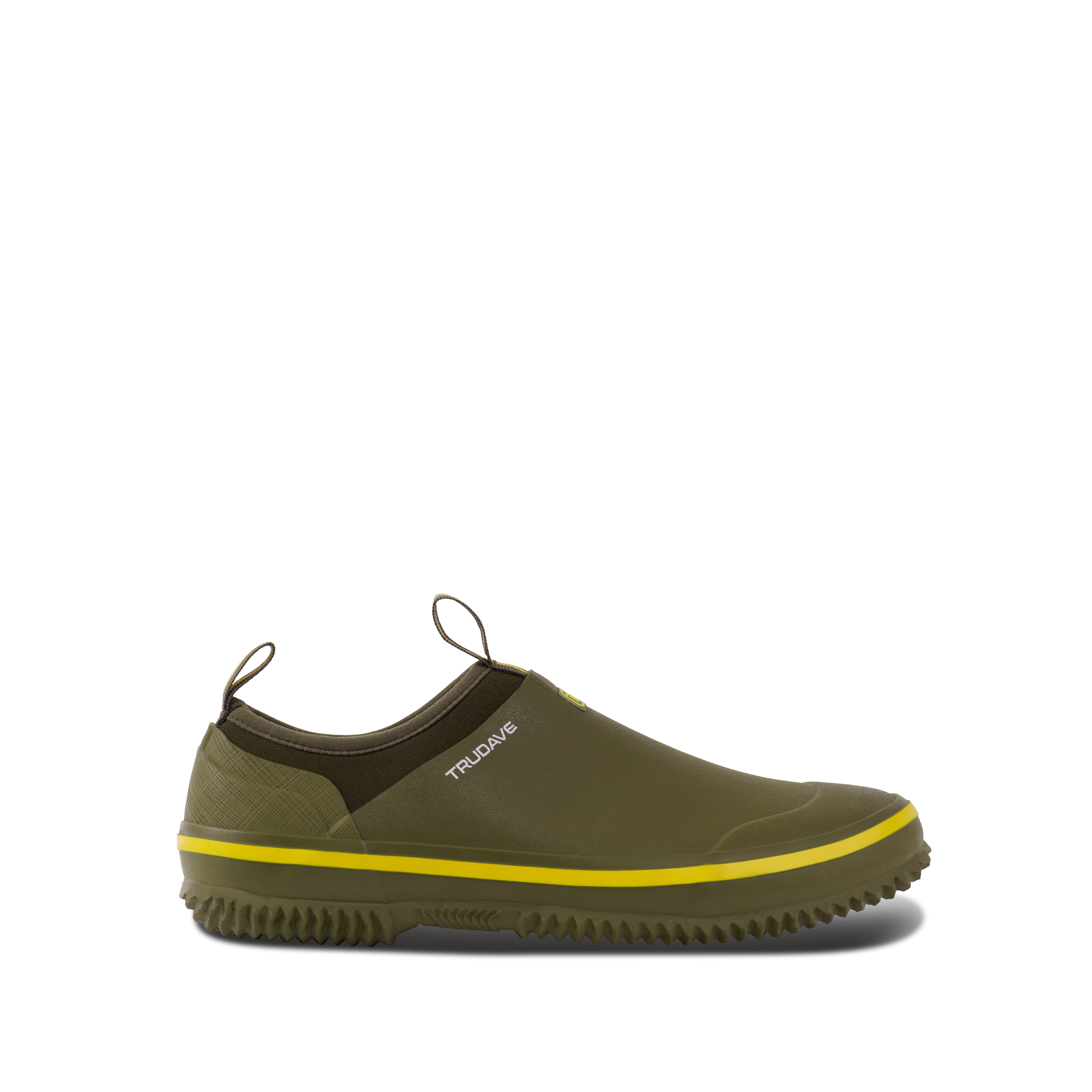
When you invest in high-performance waterproof footwear—whether it’s a lightweight, no-steel-shank deck boot for offshore fishing or a meticulously designed mid-calf hunting boot engineered on a specific last—you are acquiring precision equipment. However, the lifespan of vulcanized rubber and advanced EVA midsoles is entirely dependent on how you treat them off the field.

Whether it’s corrosive saltwater from a tuna deck or highly acidic mud from a spring turkey blind, leaving environmental contaminants on your boots rapidly accelerates the degradation of the rubber.
Protocol
Always rinse your boots with ambient-temperature freshwater immediately after use. Use a soft-bristled brush to clear out the micro-sipes or heavy lugs. Never use harsh chemical detergents, degreasers, or bleach, as these strip the essential oils from the rubber, leading to premature cracking.
We cannot emphasize this enough: extreme heat is the mortal enemy of modern boot architecture. Placing wet boots near a radiator, space heater, or campfire destroys the advanced adhesives holding the EVA midsole to the upper and permanently alters the elasticity of the rubber.
To properly dry your boots, remove the insoles and stuff the interior with crumpled newspaper to absorb ambient moisture. Place them in a well-ventilated, room-temperature environment away from direct sunlight. Patience preserves performance.
Absolute waterproofing means absolute moisture retention. Sweat and bacteria build up quickly inside the neoprene lining. Left untreated, this compromises both the hygienic safety of the boot and the structural integrity of the interior lining.
Routinely wash the removable insoles with a mild soap and let them air dry completely. For the interior, use a targeted enzyme spray that organically breaks down odor-causing bacteria rather than just masking the smell with synthetic perfumes.
Over time, vulcanized rubber can experience "blooming"—a natural process where insoluble particles rise to the surface, creating a hazy, white film. While mostly cosmetic, it is an indicator that the rubber is exposed to ozone or UV light.
Treat the exterior of your boots bi-monthly with a premium, silicone-free rubber conditioner. This restores the vital protective layer, prevents the upper material from dry-rotting, and ensures maximum flex point durability for your next expedition.
How you store your boots during the off-season determines how they will perform on opening day. Tossing them in a hot garage or throwing them in the back of a truck bed guarantees structural deformation.
Store your boots upright in a cool, dark, and climate-controlled environment. If you own mid-calf or knee-high models, avoid folding or creasing the uppers, which creates permanent weak points in the rubber. Using boot trees or rolled cardboard helps maintain their engineered upright silhouette.
Engineered for the uncompromising outdoorsman and outdoorswoman. Learn more about our technical footwear and performance standards at Trudavegear.com.