This article is edited by Trudave.With years of expertise in waterproof apparel and footwear, Trudave aims to provide impartial and professional advice on selecting hunting gear for different seasons. Visit our official website: https://trudavegear.com.
By Trudavegear Team • Expert Advice • 3 Min Read
Whether you're slogging through a muddy job site, working a rain-soaked farm, or standing on a wet factory floor, anyone who’s endured soaked, freezing feet knows the truth: wet boots don't just ruin your day—they can lead to blisters, fungal infections, and other serious health issues.
Investing in a high-quality pair of waterproof work boots is an investment in your comfort, safety, and productivity. But it’s not as simple as grabbing the first pair you see with a "waterproof" tag. This guide will break down exactly how to choose, evaluate, and maintain the right waterproof work boots for your specific needs.
Most waterproof work boots on the market rely on a few core technologies or materials to keep moisture out:
-
Waterproof Membranes (e.g., GORE-TEX®): This is the gold standard in the industry. These membranes feature billions of microscopic pores—small enough to keep water droplets out, but large enough to let sweat vapor escape. It achieves the perfect balance of waterproofing and breathability.
-
Waterproof-Treated Leather: Top-tier work boots usually feature full-grain leather that has been infused with silicone or other waterproofing agents during the tanning process. While naturally water-resistant, it typically needs to be paired with an internal membrane to be 100% waterproof.
-
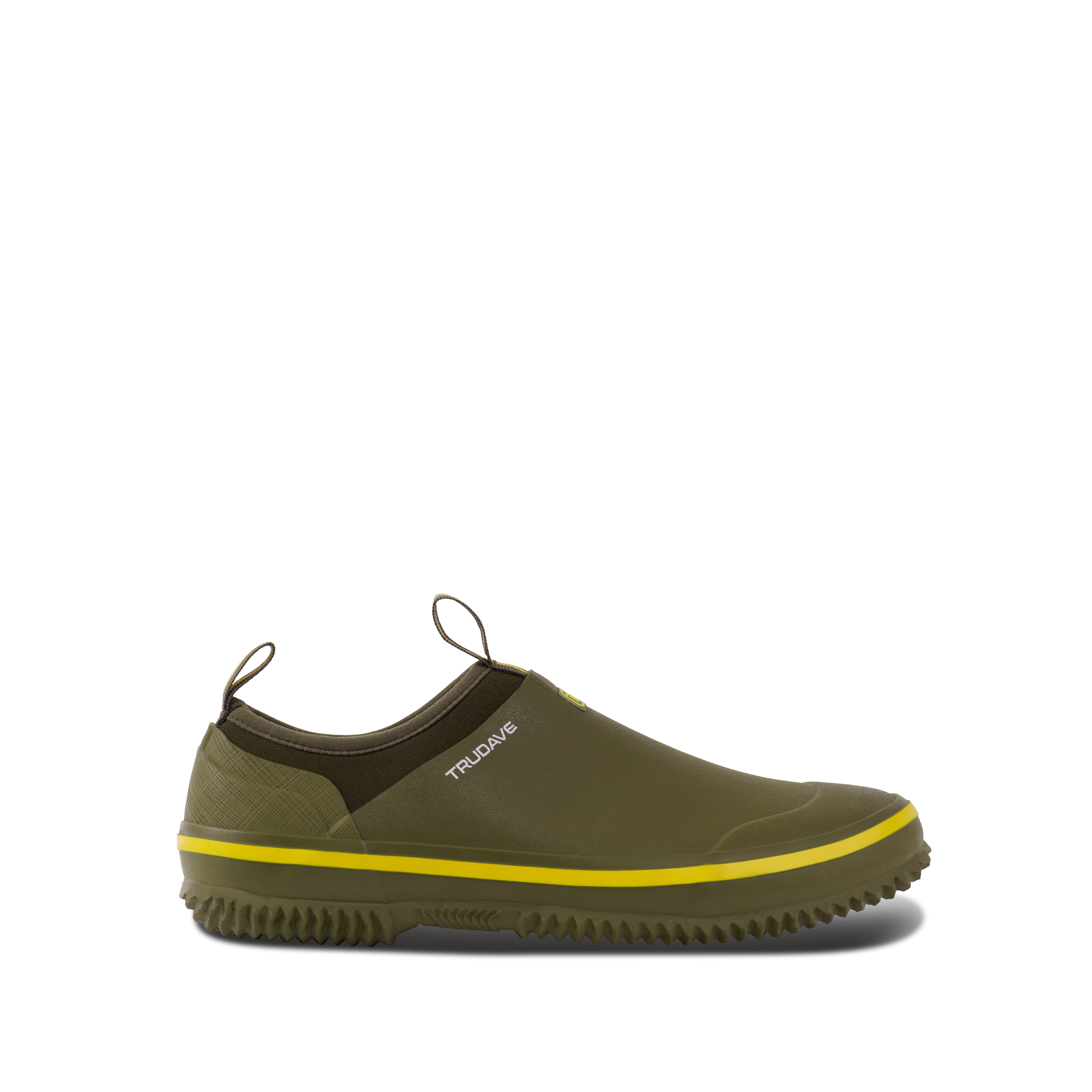
Rubber and Neoprene: The go-to materials for classic mud boots (like Muck Boots). The Upside: Absolutely 100% waterproof, making them ideal for extreme mud and deep water. The Downside: Zero breathability, meaning your feet will sweat if it's warm.
When shopping for waterproof work boots, you can't just look at the waterproof rating. You have to look at the big picture of your daily grind:
1. Just How Wet is Your Work Environment?
2. Beware the "Breathability" Trap
Let's be honest about the laws of physics: no boot on earth is 100% waterproof and as cool and breathable as a running shoe. If you work in hot conditions, your own foot sweat might make you more miserable than the rain outside.
Pro Tip: Look for boots with a high-quality moisture-wicking lining, and always pair them with moisture-wicking Merino wool or synthetic blend socks (never wear 100% cotton socks to work!).
3. Safety and Protection Needs
Waterproofing is just the baseline; don't forget your core job requirements. Consider what else you need on the site:
-
Toe Protection: Do you need a classic Steel Toe, or a lighter, temperature-regulating Composite Toe?
-
Slip Resistance: Do you need oil- and slip-resistant rubber outsoles?
-
Electrical Protection: Does your site require EH-rated (Electrical Hazard) boots?
4. Boot Construction
How a boot is built dictates its lifespan and its waterproof baseline. Goodyear Welt construction is not only incredibly durable and resoleable, but it also helps prevent water from seeping in through the seams. On the other hand, standard Cement construction (glued soles) is lighter and more flexible right out of the box, but generally has a shorter lifespan and is highly prone to leaking once the glue starts to fail.
Even the most expensive waterproof boots in the world will start to leak if you neglect them. Memorize this three-step routine:
-
Clean Them Promptly: Mud sucks the natural oils right out of leather, leading to dry rot and cracking. After your shift, take a minute to brush or wipe off the surface mud and dirt.
-
Condition Regularly: Use a dedicated leather conditioner or mink oil to keep the leather supple and strong.
-
Reapply Waterproofing: When you notice water no longer "beading up" and rolling off the leather, the factory DWR (Durable Water Repellent) coating has worn off. Grab a specialized waterproofing spray or wax to re-treat them.
The Bottom Line
A great pair of waterproof work boots is the most reliable partner you can have on the job. By understanding the materials, accepting the trade-off between breathability and waterproofing, and investing a little time in maintenance, your feet will genuinely thank you.
Is Your Foundation Ruining Your Workday?
Don't let a muddy job site or freezing, wet feet slow you down. Stop losing focus and start working with confidence. Get the rugged, waterproof footwear that keeps you planted and dry all day long.
Read The Guide
If you'd like to learn more about hunting gear, outdoor activity safety, or related information, you can visit the following authoritative websites:
Additionally, if you're looking for high-quality waterproof gear, be sure to check out Trudave’s official website to explore our curated selection of products designed to keep you dry and comfortable during any outdoor adventure.
Thank you for reading and supporting us. We hope you have an extraordinary experience on every outdoor adventure you embark on!