Picture this: Your alarm goes off at 4:00 AM. You load the truck, grab your coffee, and hit the water just as the sun breaks the horizon. The bite is red-hot, the weather is perfect, and you just hooked into a personal best. But instead of focusing on the screaming drag, all you can think about is how freezing, soggy, and downright miserable your feet are. Don't let swamp foot ruin the catch of a lifetime.
We’ve all been there. Trying to fish in a beat-up pair of old sneakers or cheap, stiff work boots is a rookie mistake. It usually ends with blisters, soaked socks, or worse—a dangerous slip on a fiberglass deck coated in fish slime and saltwater. If you spend any serious amount of time on the water, a dedicated pair of waterproof fishing boots isn't a luxury. It’s mandatory, life-saving gear.
Whether you're casting topwater from a center console in the Gulf, high-stepping through a rushing freestone river in Montana, or trudging through miles of muddy shoreline to hit a secret bass pond, the right footwear changes the game. This evergreen guide will help you decode the hype, understand the materials, and find the absolute best boots for your style of angling—like the rugged, field-tested lineup we build right here at Trudave Gear.
1. Match the Boot to the Battle (Types of Footwear)
In the fishing world, there is no "one size fits all." Wearing heavy waders on a skiff in July is just as bad as wearing ankle boots in a frozen duck marsh. Where you fish dictates what you wear.
-
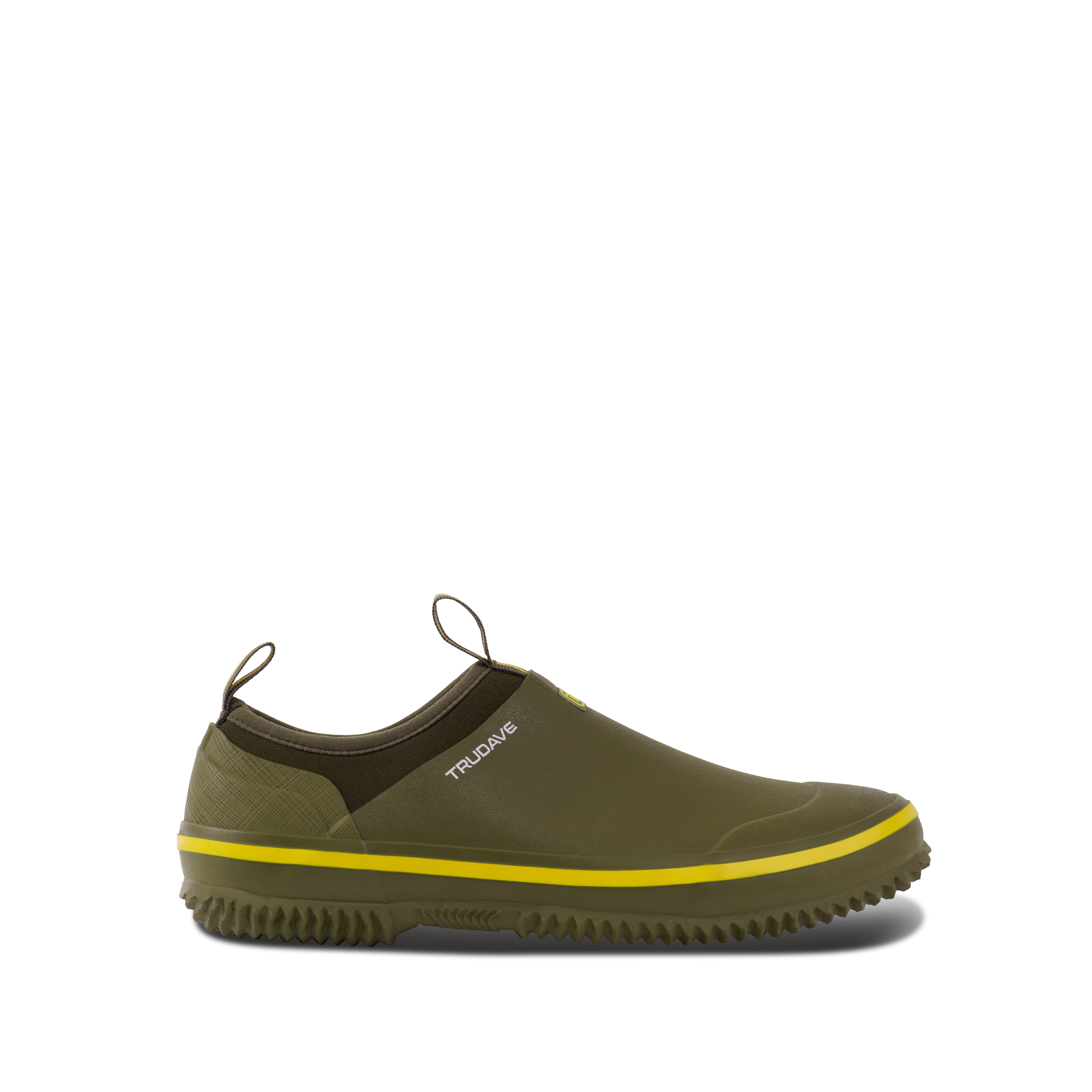
The Deck Boot (Boat Fishing): This is the bread and butter for offshore and inshore boat anglers. Deck boots are typically ankle-high to mid-calf, slip-on rubber boots. They feature non-marking soles designed to grip slick gel coat like glue and keep fish blood, guts, and spray off your socks. They’re incredibly easy to kick on and off, making them a staple from the Florida Keys up to the Pacific Northwest.
-
The Wading Boot (River & Fly Fishing): These look more like heavy-duty hiking boots but serve an entirely different purpose: they let water flow through them. You wear them over the neoprene booties of your chest waders. When you're navigating bowling-ball-sized, moss-covered river rocks in a heavy current, these provide the stiff ankle support required to keep you upright.
-
The Muck/Chore Boot (Bank, Marsh & Ice Fishing): Knee-high rubber and neoprene boots are the go-to for surfcasters, bank anglers, and ice fishermen. They excel in deep mud, tall wet grass, and gnarly weather. If you’re busting brush in snake country or standing on two feet of hard water in January, a good knee-high muck boot is your best friend.
2. The Holy Trinity of Boot Features
When you're shopping for your next pair, ignore the flashy marketing and focus on these three crucial factors to get the most bang for your buck.
Traction is Everything
A boot is only as good as its grip. Slipping is not an option when you have a 3/0 treble hook swinging around or a gaff in your hand.
| Sole Type |
Best Used For |
Pros & Cons |
| Rubber Siped (Non-Marking) |
Boats, kayaks, smooth fiberglass |
Pros: Squeegees water away, won't scuff boat decks.
Cons: Poor traction in deep mud. |
| Felt Soles |
Slippery river rocks, wading |
Pros: Unbeatable grip on wet moss.
Cons: Banned in many states for transporting invasive species; wears out quickly. |
| Studded / Cleated |
Icy jetties, surfcasting boulders, fast rivers |
Pros: Aggressive, bite-into-anything grip.
Cons: Will absolutely destroy a boat deck or hardwood floor. |
| Deep Lug Rubber |
Muddy banks, marshes, hiking to spots |
Pros: Great for shedding thick mud and dirt.
Cons: Can hold onto pebbles and debris. |
Waterproofing vs. Drainage
Are you trying to keep water out or let water pass through? Deck boots and muck boots need to be 100% waterproof. Look for seamless, vulcanized rubber construction (like our GreenStep shell) to ensure they don't split at the seams after one season. Wading boots, conversely, feature strategically placed mesh drain holes and quick-drying synthetic leathers so you aren't lugging around ten pounds of water with every step.
Insulation & Climate Control
Don't buy heavy, fleece-lined boots if you exclusively fish the Gulf Coast in the dead of summer. Your feet will sweat, blister, and ruin your trip.
-
Warm Weather: Look for uninsulated rubber boots with breathable, moisture-wicking liners (like XpressCool mesh). Ankle-cut deck boots are preferred here to let your calves breathe.
-
Cold Weather: If you're chasing winter steelhead or ice fishing for walleye, look for boots with high-grade Neoprene collars (5mm to 7mm) or heavy Thinsulate™ insulation. Pro-tip: Always buy winter boots a half-size larger. You need room for thick merino wool socks and dead air space to actually keep your feet warm. Tight boots equal cold feet.
The Trudave Gear Difference
At Trudave Gear, we believe in rugged comfort without the ridiculous retail markup. Our boots feature dual pull loops, reinforced kick-off heel plates, and shock-absorbing EVA midsoles for long-lasting durability. We build footwear designed to be hosed off and thrown in the back of the truck, and we back them with a 100% field-tested guarantee because we actually wear them on the water.
3. Comfort, Fit, and Maintenance
You're going to be standing, casting, and fighting fish for 8 to 12 hours. If your boots have zero arch support, your back and knees will be screaming by sunset.
The Fit: Look for boots with removable EVA foam footbeds so you can swap in your own orthotics if needed. When sizing a deck boot, you want a snug fit across the instep to prevent your foot from sliding around in heavy seas. When sizing a wading boot, remember you will be wearing a thick neoprene wader bootie inside of it—always size up at least one full shoe size.
Make Them Last: Buy once, cry once, and then take care of your gear. UV rays and dried saltwater are the enemies of rubber and neoprene. To make your boots last multiple seasons:
-
Rinse immediately: Hit them with fresh water from the garden hose the second you get home.
-
Dry naturally: Never put rubber boots next to a roaring campfire or a heavy space heater, as the rubber will crack. Dry them in a shaded, well-ventilated area.
-
Kill the odor: If your boots start smelling like low tide, sprinkle a heavy layer of baking soda inside and let them sit overnight. Vacuum it out the next morning.
The Bottom Line
Your feet are your foundation on the water. Skimping on fishing boots usually leads to slipped discs, sprained ankles, or a shortened trip because you simply couldn't handle the cold anymore. Invest in a high-quality pair that matches your environment, maintain them properly, and they’ll take care of you season after season.
Tight lines, and keep those feet dry!
Ready to Upgrade Your Footwear?
Trusted by guides, captains, and hardcore anglers everywhere. Shop our direct-to-consumer line of waterproof deck boots, waders, and muck boots today.
Shop Trudave Gear Now