Editor's Note: This article is curated by Trudave. With years of expertise in waterproof apparel, we provide professional advice on selecting gear. Visit our official website: trudavegear.com.
By Trudavegear Team • Expert Advice • 4 Min Read

There’s a reason spring turkey hunting is considered one of the most exhilarating experiences in the North American outdoors. The thunderous sound of a mature tom gobbling through the dawn mist is enough to make any hunter's heart race.
But wild turkeys are notoriously difficult to outsmart. With eyesight that rivals binoculars and an uncanny ability to detect the slightest unnatural sound, a wary gobbler demands your absolute best. If you are wondering about the best way to hunt turkey, the answer lies in a mix of rigorous preparation, stealth, and adaptive strategies. Here is your comprehensive guide to punching your turkey tag this spring.
1. Pre-Season Scouting: The Foundation of Success
You cannot hunt what you cannot find. The most consistently successful hunters win the game before opening day even arrives.
-
Locating the Roost: Wild turkeys sleep in trees (roost) to avoid predators. Sneak into the timber at dusk or pre-dawn and listen. A "shock gobble" provoked by an owl hoot or crow call will give away their exact location.
-
Reading the Sign: Spend time walking logging roads, field edges, and creek bottoms. Look for J-shaped droppings (which indicate a gobbler), loose feathers, tracks in the mud, and scratching in the leaves where turkeys have been feeding.
-
Trail Cameras: Strategically placing trail cameras along known travel corridors or strutting zones can pattern a flock's daily routine, telling you exactly when and where they prefer to be.
2. Camouflage and Essential Gear
Because turkeys see in full color and have a 270-degree field of vision, total concealment is non-negotiable.
-
Blend In: Match your camouflage pattern to the specific spring foliage of your hunting grounds. A facemask and gloves are absolute requirements—the shine of a bare face or the movement of a bare hand will send a bird running.
-
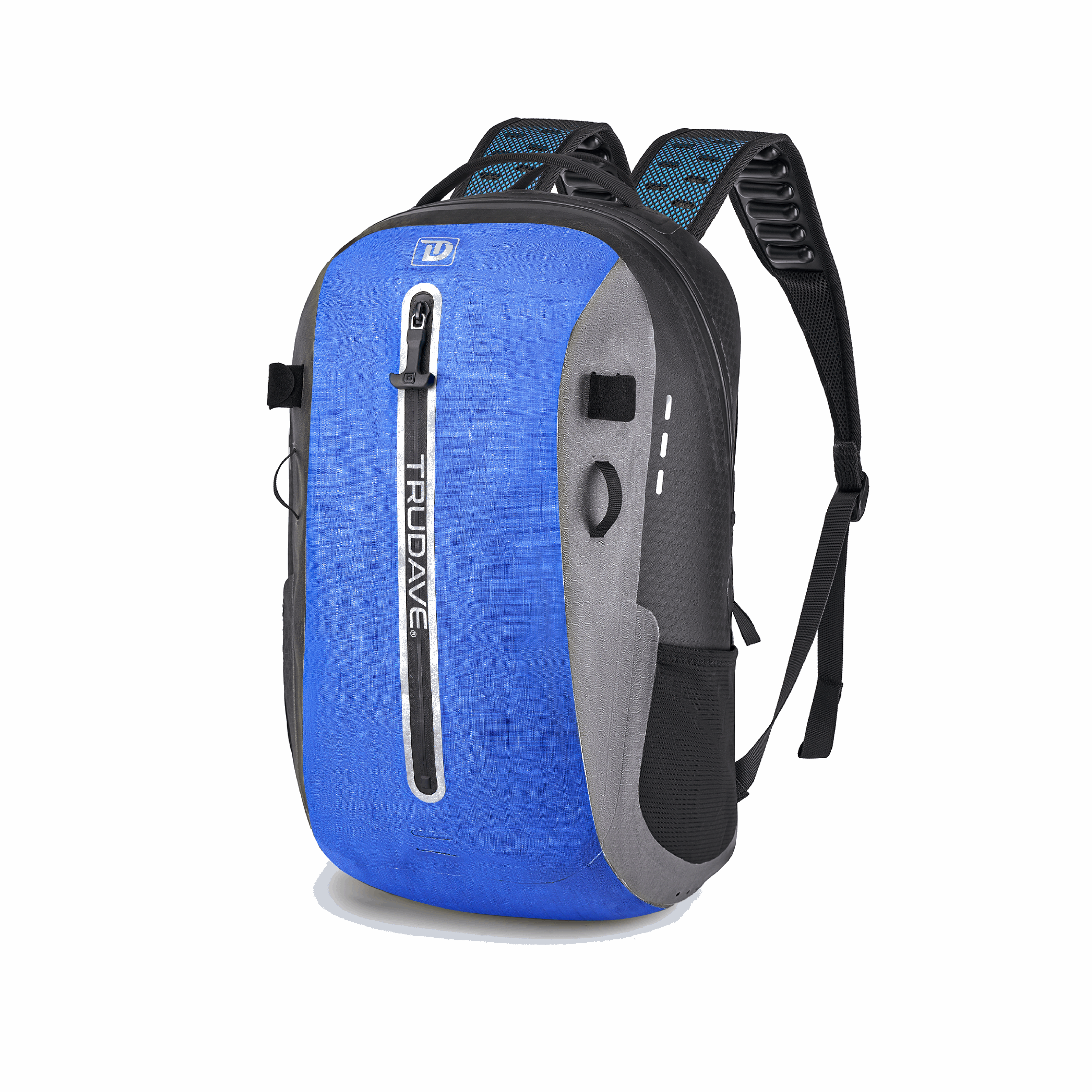
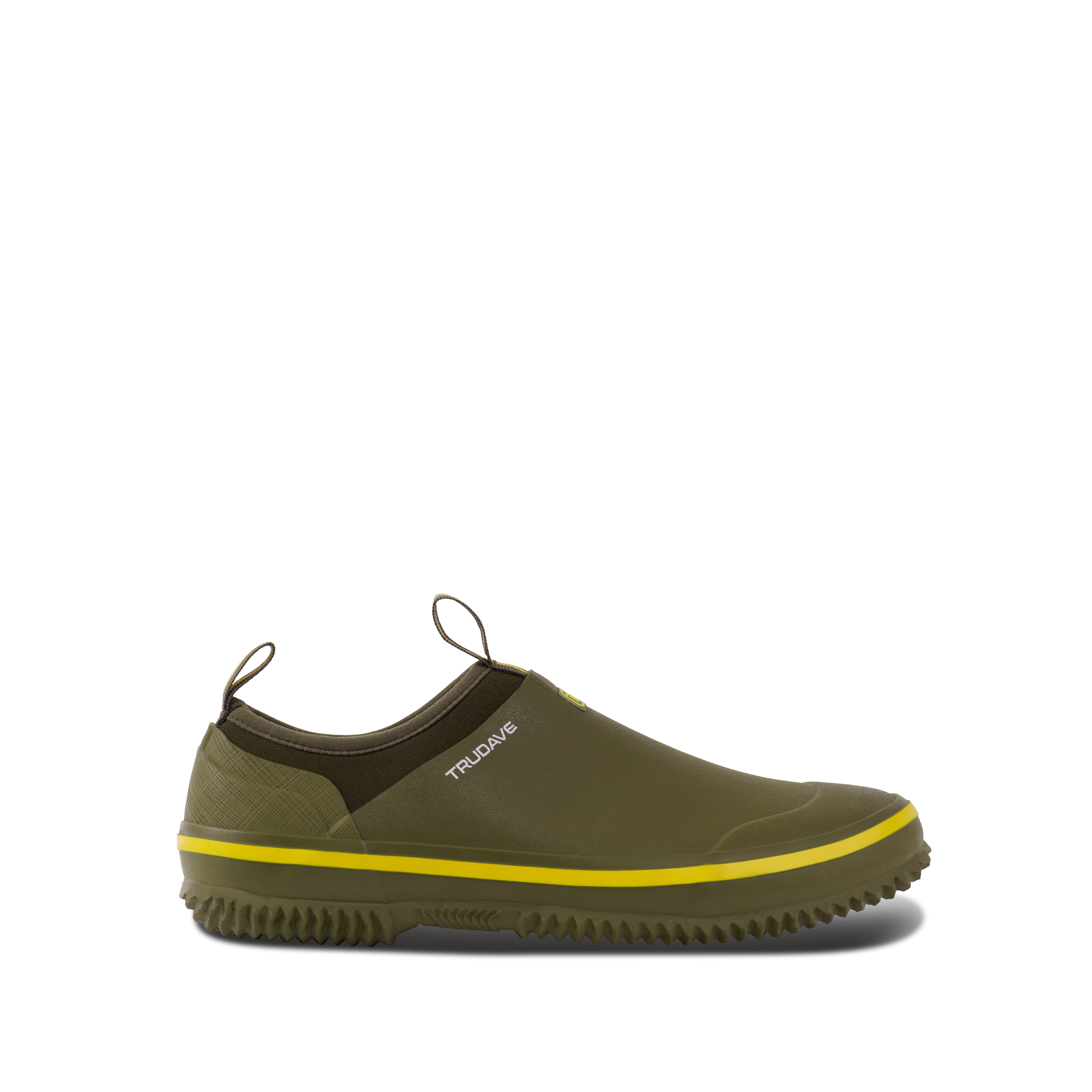
Footwear and Apparel: Turkey hunting demands patience and endurance, often requiring you to sit in the damp woods or hike over steep ridges. Equipping yourself with reliable Trudavegear ensures you stay dry, comfortable, and fully focused on the hunt rather than the elements.
-
The Turkey Vest: A good vest is your mobile command center. Use it to organize your calls, extra shells, pruning shears (for clearing shooting lanes), and a comfortable seat cushion for those long sits against a tree.
3. Mastering the Art of the Call
Calling is the heart of spring turkey hunting. The goal is to mimic the sounds of a lonely hen to draw the gobbler into range.
-
Friction Calls (Box and Slate): These are great for beginners. A box call produces loud, crisp yelps perfect for cutting through the wind and locating distant birds. A slate (pot) call offers incredible realism for soft purrs and clucks as the bird gets closer.
-
Diaphragm (Mouth) Calls: While they take practice, mouth calls are the ultimate tool. They leave your hands completely free to hold your shotgun or bow, allowing you to make soft, persuasive calls right up until the moment you pull the trigger.
-
The Golden Rule: Less is usually more. Start soft. If a tom answers your call and is actively heading your way, go silent. Make him come searching for you.
4. Strategic Decoy Placement
Decoys provide the visual confirmation a gobbler needs when he hears your calls. If a tom comes in looking for a hen and sees nothing, he will often hang up out of range.
-
The Setup: Place your decoys about 20 yards away, angled slightly toward your setup. Turkeys generally approach decoys head-on to interact with them.
-
Breeding Pairs: A popular setup is a submissive hen decoy paired with a jake (juvenile male) decoy. A dominant, mature tom won't tolerate a young jake intruding on his territory and will often rush in aggressively to chase him off.
5. "Run and Gun" vs. Blind Hunting
Depending on the terrain and the birds' behavior, you need to be versatile.
-
Blind Hunting: Ideal for field edges or known feeding zones. Popping up a camouflage ground blind allows you to move freely, drink coffee, and stay hidden. It's the perfect tactic for bowhunters or those hunting with kids.
-
Run and Gun: When the woods are vast and the birds are quiet, you have to take the fight to them. This involves walking ridges, using a locator call (like a crow call) to strike a gobble, and quickly setting up against the nearest wide tree to call the bird in.
6. The Final Moment: Patience and Shot Placement
When the bird finally steps into view, the true test begins.
-
Freeze: Do not move a muscle. Wait for the turkey's head to go behind a tree, or wait until he is in "full strut" facing directly away from you to raise your gun.
-
Aim for the Base of the Neck: A wild turkey's body is covered in thick, armor-like feathers. Always aim where the feathers meet the bare skin on the neck. A tight pattern of turkey load to the head and neck ensures a quick, ethical harvest.
Final Thoughts
Spring turkey hunting is a game of chess played in the wild. You will make mistakes, and you will get busted by sharp-eyed birds. But by mastering your calls, scouting thoroughly, and staying patient, you'll put yourself in the perfect position to experience the ultimate thrill of the spring woods.
Ready for Your Next Hunt?
Gear up with the equipment built to pass the test of time and terrain.
Explore Trudavegear
Additional Resources
For more on outdoor safety and conservation:
Thank you for reading. Check out Trudave’s official website for premium gear.