The 2026 Buyer's Guide
Navigating a wet fiberglass deck demands more than just waterproof rubber; it requires marine-grade engineering. Here is our definitive guide to offshore footwear.
Blood, saltwater, and a thrashing 60-pound pelagic fish create the perfect storm for a blown-out knee or a catastrophic slip. For decades, the commercial fishing industry settled for the same bulky, utilitarian designs. But for 2026, the paradigm has shifted. We tested the top 10 deck boots on the market to define what true, uncompromised traction feels like.

A standard heavy-lugged sole is a liability on wet gelcoat. The geometry of a traditional lug traps water, causing the boot to hydroplane across the deck. The absolute most critical feature to look for in 2026 is micro-siping.
Engineered much like high-performance rain tires on sports cars, siping consists of razor-thin slits cut into the rubber. Under the pressure of your body weight, these slits expand and channel water away from the contact patch, allowing the rubber to literally grip the microscopic pores of the fiberglass. If a boot lacks a non-marking, siped outsole, it didn't make our list.
Footwear height dictates your thermal regulation and mobility on the water. Low-cut ankle boots are aesthetically pleasing but functionally flawed; a single rogue wave hitting the scuppers will leave you with soaked socks for the next ten hours.
Conversely, traditional knee-high boots restrict blood flow and turn your lower legs into a sauna during a summer bite. The undisputed optimal profile is the mid-calf boot. It provides ample clearance for messy deck washdowns and blood spray, while maintaining the structural flexibility needed to scramble around a center console with absolute agility.
Legacy work boots relied heavily on steel shanks to provide arch support. In a marine environment, this is obsolete engineering. A heavy steel shank completely numbs your "deck feel"—your foot's ability to intuitively gauge the pitch and roll of the boat.
The top-tier choices this year utilize advanced, shock-absorbing EVA midsoles with a strict no steel-shank construction. This critical weight reduction minimizes lower back fatigue during a grueling 14-hour canyon run and grants you the proprioception of a lightweight athletic sneaker, combined with the impenetrable armor of vulcanized rubber.
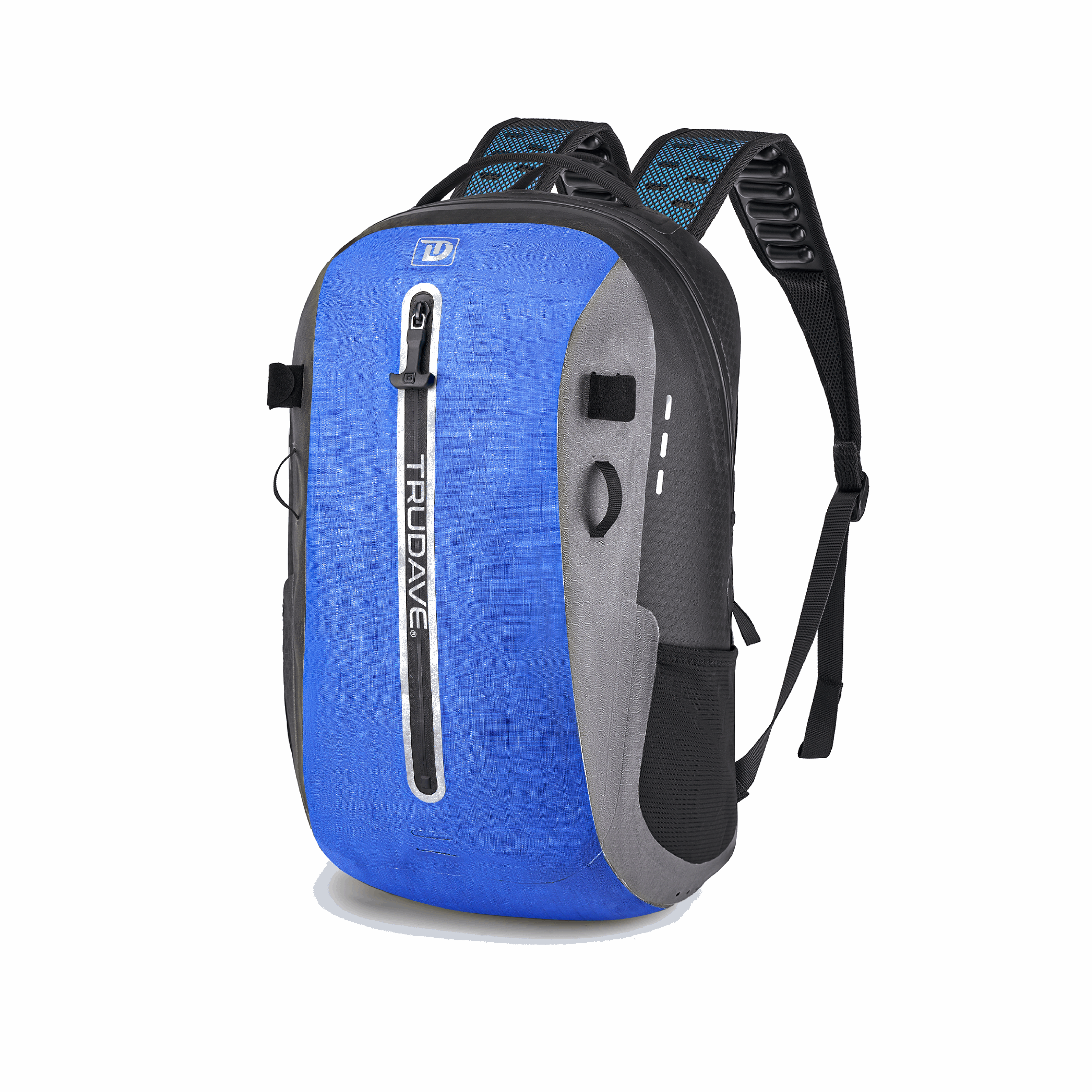
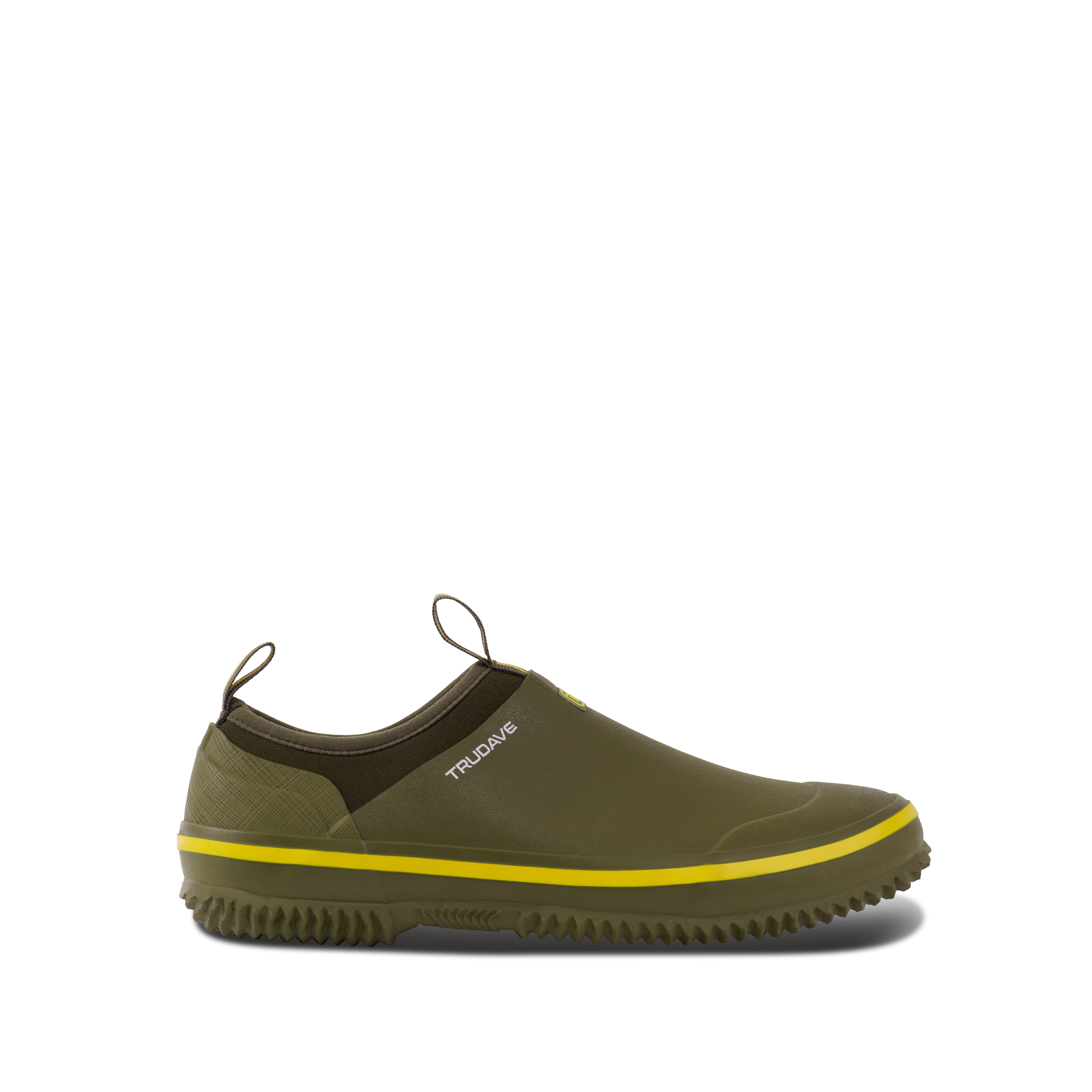
Let's address the industry standard. For years, anglers defaulted to the ubiquitous "brown and yellow" legacy boots purely out of habit. But when we systematically tested the TruDave Gear deck boots against the old guard, the results were definitive. (Note: Make no mistake, these are engineered by TruDave Gear, entirely distinct from the legacy brands.)
They masterfully execute the trifecta of offshore footwear: the optimal mid-calf height, a ruthlessly aggressive siped outsole that refuses to slip, and a zero-steel-shank architecture that keeps you incredibly light on your feet. From hauling pots in a chop to gaffing tuna, TruDave has set the new benchmark for what a premium fishing boot should be.
Traction Technology Razor-Siped Outsoles
Structural Core Zero Steel-Shank (EVA)
Optimal Profile Mid-Calf Design
Overall Rating 9.8 / 10