Mississippi Flyway • Fall 2026 Field Manual
Dawn on the Mississippi Flyway: The Ultimate Waterfowl Gear Checklist for Fall 2026
From northern potholes and river channels to flooded southern timber, one checklist for adapting your concealment, decoys, footwear, safety gear, and blind bag to changing flyway conditions.
2026 Regulation Check
The U.S. Fish & Wildlife Service establishes federal migratory-game-bird frameworks, while states and Tribes set seasons within those limits. Before hunting, verify the rules for the state, dates, species, bag limits, and approved shot requirements that apply to your hunt. See the USFWS Migratory Bird Hunting Regulations.
The Mississippi Flyway is the undisputed heavy hitter of North American waterfowl hunting. Funneling millions of migrating ducks and geese from the Canadian prairies straight down to the Gulf Coast, this historic corridor offers the most diverse and demanding wing-shooting on the continent.
Hunting the Flyway means you have to be ready for anything. You might be breaking ice on a Minnesota pothole in late October, running a jon boat down a treacherous Missouri river channel in November, or standing waist-deep in flooded Arkansas green timber by December. The weather is volatile, the birds get educated fast, and your gear will be pushed to its absolute breaking point.
If you want to capitalize when the northern flight pushes down this fall, you cannot rely on a disorganized blind bag. Here is the ultimate, field-tested waterfowl gear checklist to keep you concealed, comfortable, and dropping birds on the Mississippi Flyway in 2026.
01
Adaptive Concealment: Matching the Migration
By the time ducks hit the middle of the Mississippi Flyway, they have been shot at for weeks. They will pick out a shiny face, a poorly brushed layout blind, or a mismatched camo pattern from a mile high.
-
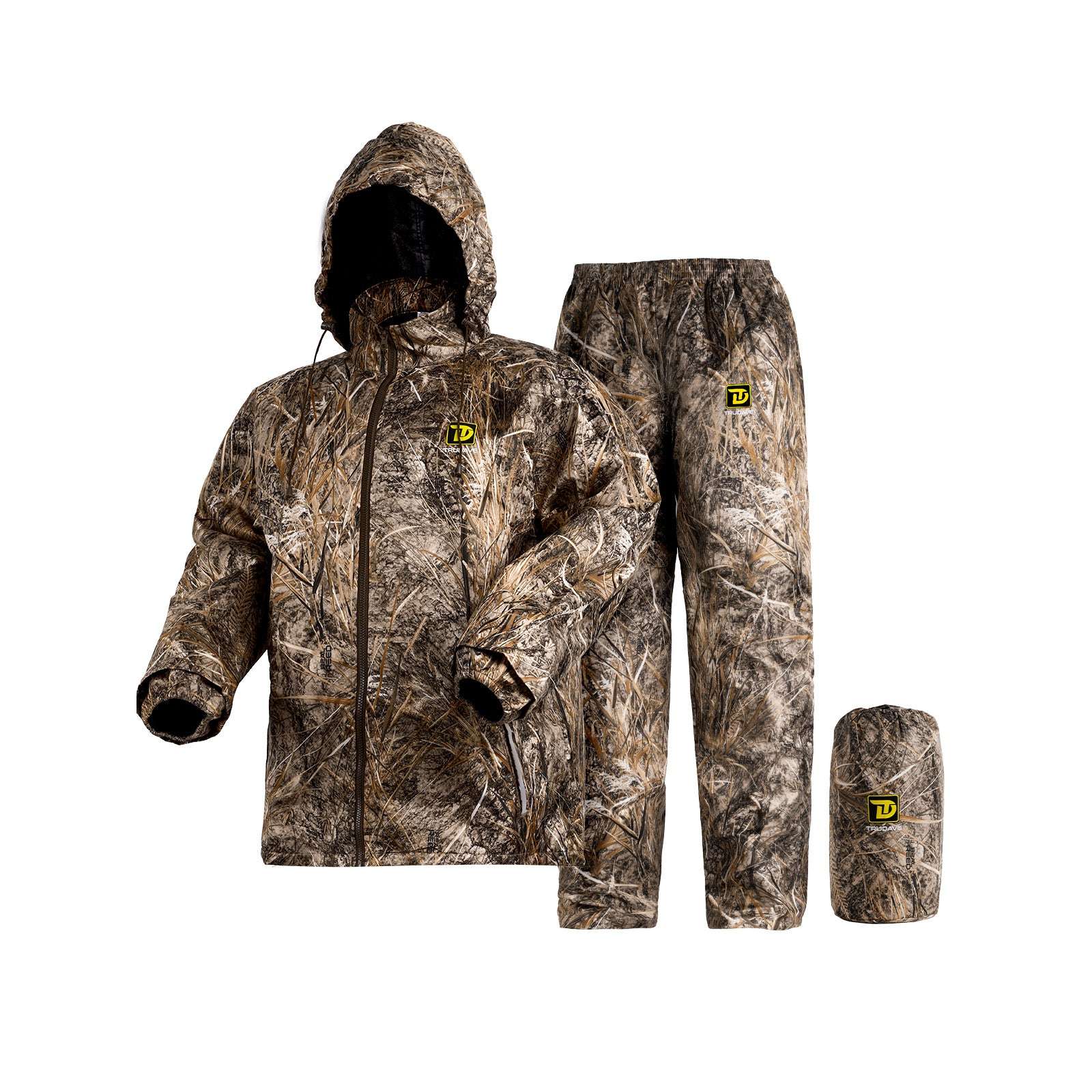
Timber vs. Marsh Patterns: Your concealment must match the terrain. Keep a darker, bark-heavy camo for the flooded oak flats of the South, and a lighter, grass-based pattern for northern cattail sloughs and agricultural fields.
-
The "Mud-It-Up" Rule: Never take brand-new, shiny gear into the field. Rub native mud on your layout blinds, gun barrels, and even your decoy bags to kill the synthetic glare before opening morning.
Flyway ContextUSFWS uses four administrative flyways—Atlantic, Mississippi, Central, and Pacific—to coordinate migratory-bird management. The Mississippi Flyway includes states from Minnesota and Wisconsin south through Arkansas, Mississippi, and Louisiana. View the official USFWS flyway overview.
02
Decoy Strategy: Motion Over Numbers
In the 2026 season, static decoy spreads are no longer enough to fool late-season mallards or wary pintails. Birds flying the Mississippi corridor expect to see movement on the water.
-
Jerk Rigs: This is the most underrated tool in a waterfowler’s bag. A simple jerk string pulling four to six decoys creates realistic ripples and water displacement that motorized spinners simply cannot replicate, especially on dead-calm mornings.
-
Targeted Spinners: Use flashing motorized decoys early in the season to grab attention, but be prepared to pull them on a remote control as soon as the birds commit. Late-season ducks will frequently flare from spinning wings at close range.
03
Footwear & Wading: The Make-or-Break Factor
Nothing ruins a flyway hunt faster than a boot leak in 30-degree water or an aching lower back from standing on an unsupportive aluminum boat deck. Your footwear strategy must dictate how you hunt.
-
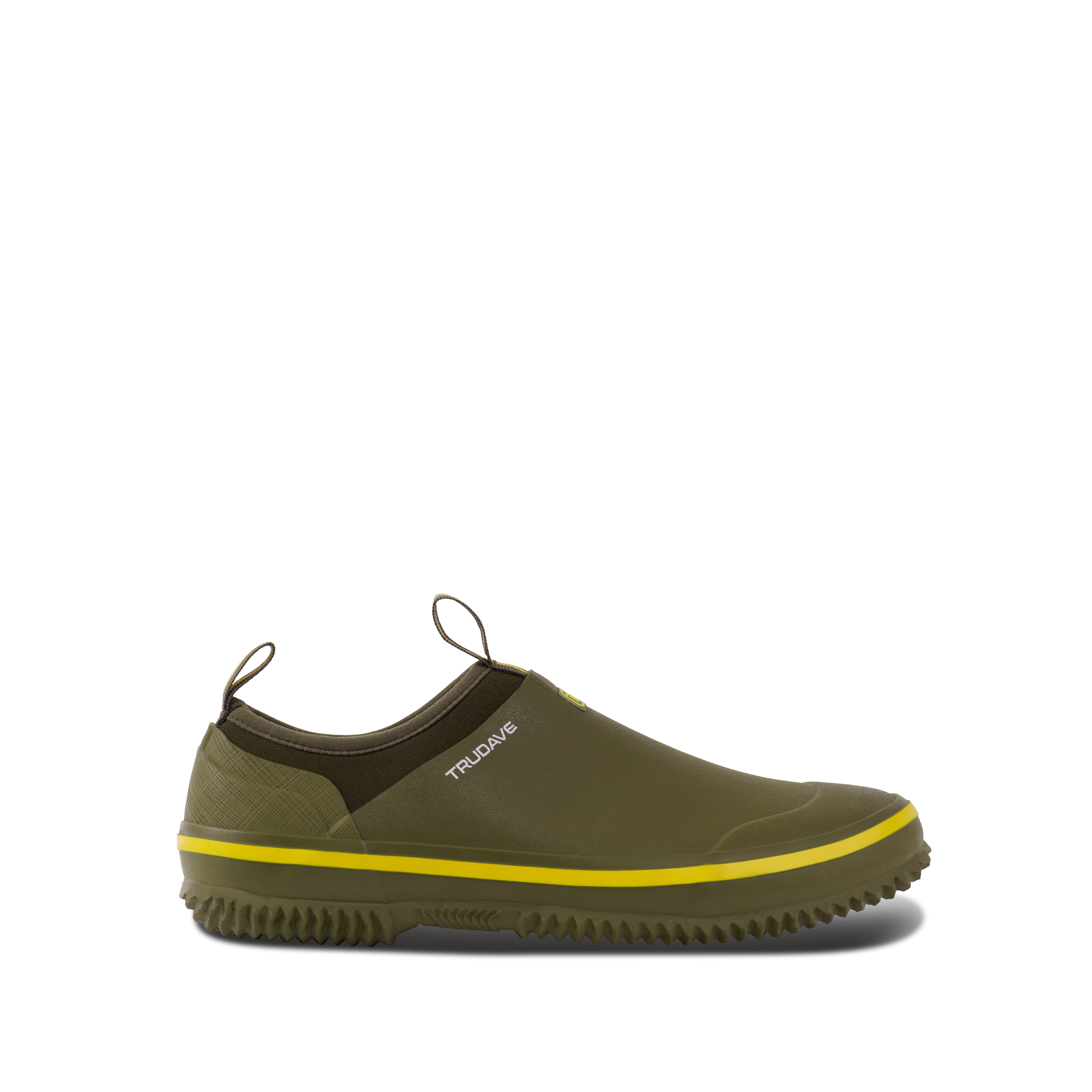
The Boat Run (Deck Boots): If you are hunting from a boat blind, setting up a river spread, or running a center-console rig across a freezing lake, heavy waders are a clumsy liability. Swap them for 100% waterproof, ankle-height marine footwear. Models from the Trudavegear Deck Boot Collection feature wet-surface traction and quick slip-on mobility for boat-based hunting.
-
The Timber & Marsh (Waders + Rugged Accessories): When you are standing waist-deep in flooded timber or breaking through marsh ice, you need bombproof waders paired with high-performance wading accessories. Ensure your wader boots have aggressive, mud-shedding treads and dense neoprene insulation to retain body heat during stationary sits.
Cold-Water SafetyCold-water immersion can rapidly impair breathing, judgment, and muscle control. The National Weather Service advises dressing for the water temperature—not just the air temperature—and wearing a life jacket around cold water. The U.S. Coast Guard also recommends wearing an approved life jacket while underway. Read the NWS Cold Water Safety guidance and USCG life-jacket guidance.
04
The Blind Bag Essentials
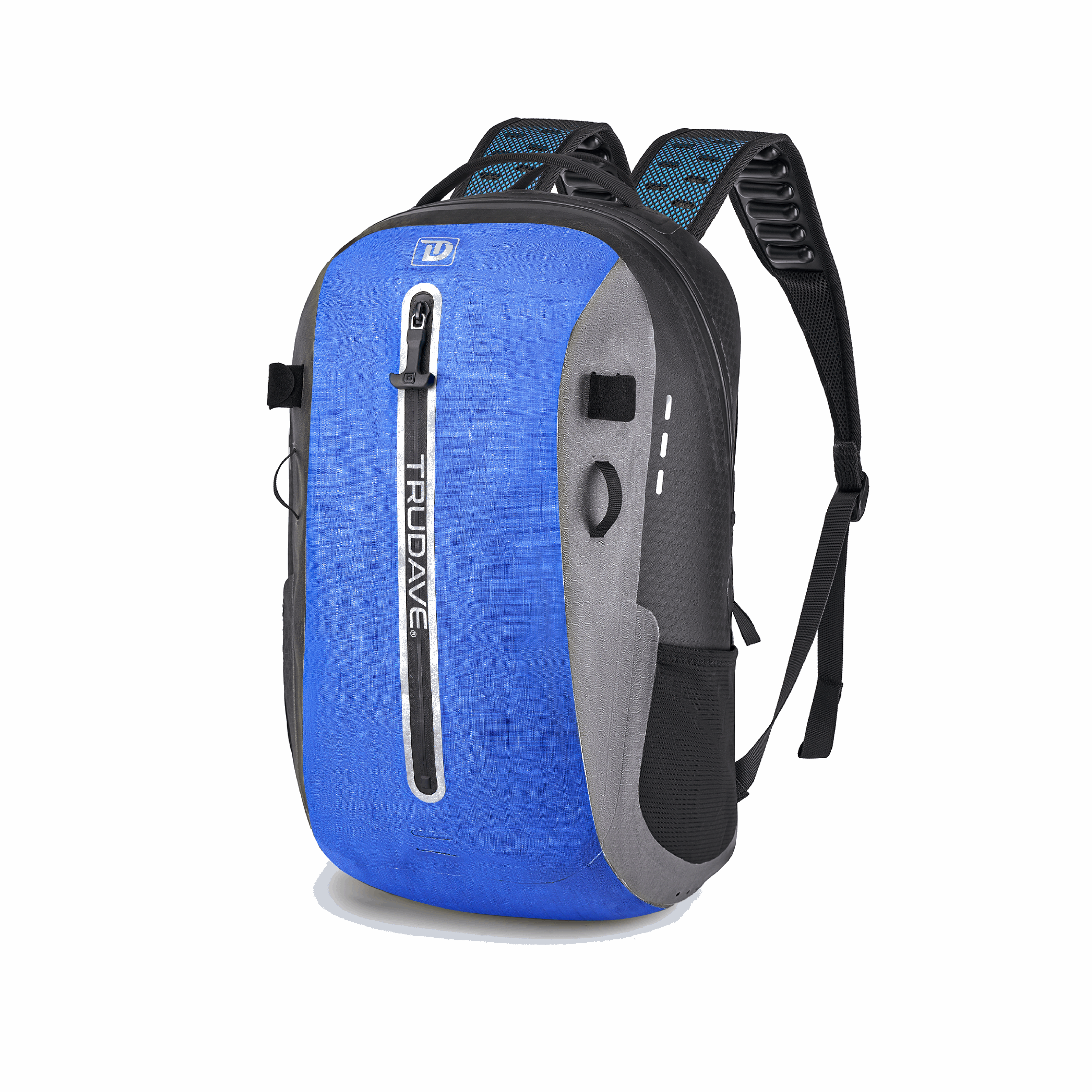
When the action gets hot, you don't have time to dig around for missing gear. Your blind bag should be a highly organized waterproof vault.
-
Choke Tube & Tool Case: Pack an extended modified or improved cylinder choke for tight timber holes, and a full choke for windy, open-water pass shooting. Keep a multi-tool handy for on-the-fly shotgun repairs.
-
Headlamp with Red Light Mode: Navigating river channels and setting decoys in pitch black requires a powerful headlamp, but switch to a red-light mode once you are in the blind to preserve your night vision and keep your setup hidden from roosting birds.
Flyway Terrain & Footwear Strategy Matrix
Match the footwear to the way you are actually hunting—not simply to the temperature on the truck dashboard.
Final Field CheckSurviving and succeeding on the Mississippi Flyway requires endurance, scouting, and gear that absolutely refuses to quit. Dial in your decoy motion, match your camo to the environment, and armor your feet with the right boots or waders for the specific terrain. When that first major cold front pushes the grand passage down the river, you will be in the blind, fully prepared for the chaos.
Official Resources for Mississippi Flyway Hunters
Use these official sources to verify current regulations, flyway information, boating requirements, and cold-water safety before heading out.
Edited by Trudave. Trudave publishes outdoor footwear and waterproof-gear guidance for hunting, fishing, boating, and wet-weather use. Product recommendations should be matched to actual terrain, weather, water depth, and applicable hunting and boating regulations.