Field Gear Care Manual
How to Properly Dry and Store Your Gear After a Wet Weekend in the Woods
Mud, rain, sweat and standing water are part of the hunt.
What you do with your gear after you get home can determine whether it is ready for the next weekend—or starts breaking down in storage.
There is nothing quite like a weekend spent in the timber.
Whether you were hanging trail cameras through a downpour,
scouting food plots in knee-deep slop,
or grinding through an opening-weekend hunt that tested every stitch of your clothing,
logging miles in wet weather is a rite of passage.
When you finally make it back to the truck late Sunday evening,
exhausted and soaked to the bone, the temptation is real:
kick off your boots by the back door,
toss your muddy waders and jacket into the truck bed,
and deal with everything later.
The problem:
Wet gear trapped in a vehicle, plastic tote or dark corner can hold moisture for hours or days.
That creates an ideal environment for odors, mildew and premature material deterioration.
Post-trip maintenance is not the most exciting part of hunting,
but a simple rinse, air-dry and storage routine can help extend the useful life of your outdoor equipment.
01
Rinse
02
Air Dry
03
Inspect
04
Store
Step 01
The Post-Trip Rinse: Get the Guck Off
Mud, agricultural residue and decomposing organic matter can remain packed into tread grooves,
seams and fabric surfaces long after a wet hunt is over.
Once those contaminants dry in place, cleanup becomes harder and abrasive debris can continue rubbing against coatings and materials.
-
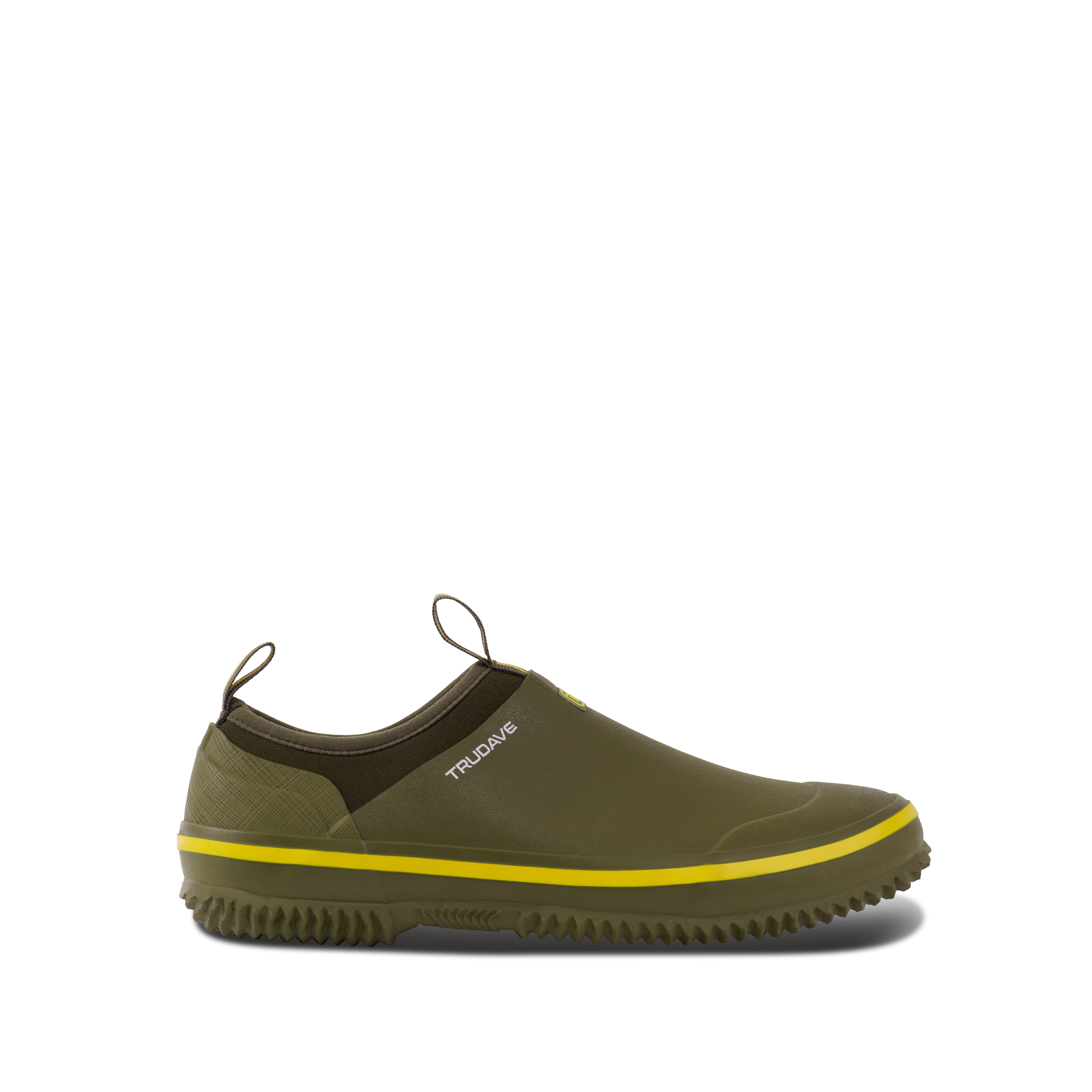
Boots & Waders:
Use clean water to rinse away mud, silt, leaves and organic debris.
Spend extra time around the outsole, lug channels, boot seams and lower leg areas.
-
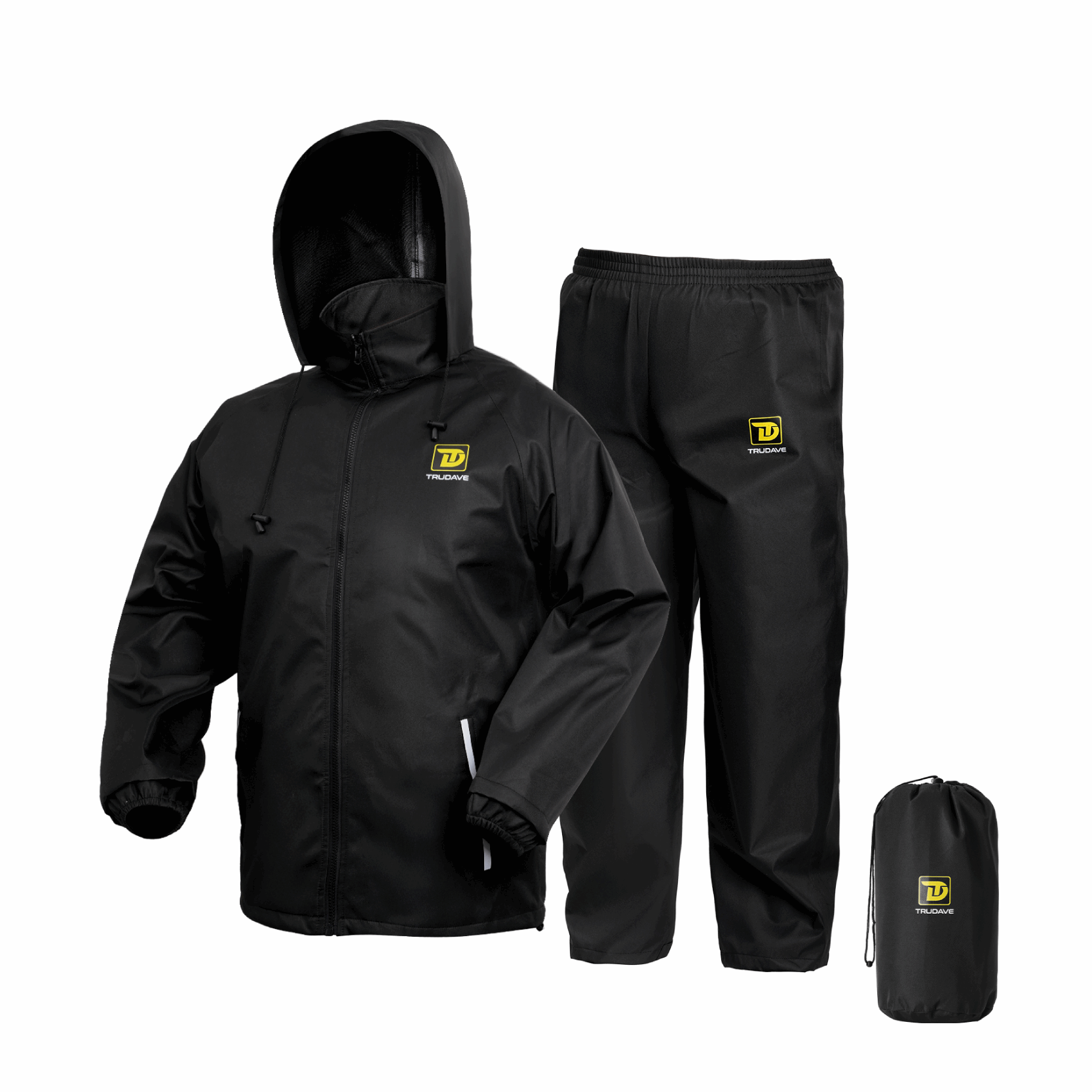
Outerwear & Technical Gear:
If jackets or bibs are heavily covered in mud,
gently rinse the affected areas with clean water before allowing the garment to dry.
-
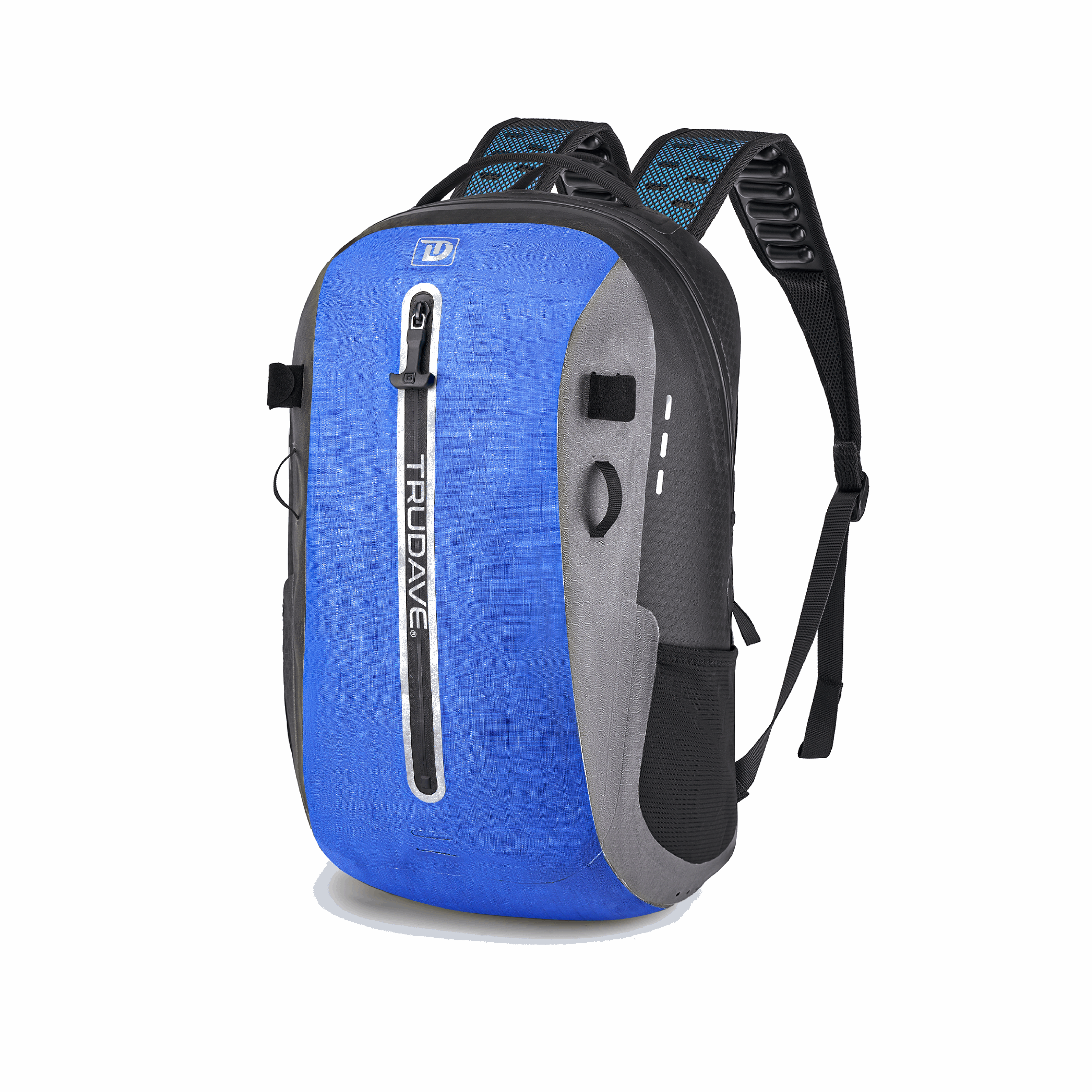
Packs:
Empty loose dirt, leaves, food wrappers and moisture-trapping debris before storage.
Field Care Tip
Avoid immediately reaching for strong household cleaners.
Technical fabrics, coated materials and water-repellent finishes may require product-specific cleaning methods.
Step 02
Dry Rubber Boots and Waders Without Cooking Them
Drying is where many hunters unintentionally damage otherwise serviceable gear.
High temperatures can negatively affect rubber, neoprene, adhesives and seam construction.
Avoid direct high heat.
Keep rubber boots and waders away from open flames, wood stoves,
high-output space heaters and other intense heat sources.
-
Remove the insoles:
Pull out removable EVA insoles or footbeds and let them dry separately.
-
Absorb interior moisture:
Loosely place clean absorbent paper or shop towels inside damp boots.
Replace them when saturated.
-
Use moving air:
Air circulation is usually more useful than high temperature.
If using a compatible boot dryer, follow the boot manufacturer's care instructions.
-
Dry waders inside and out:
Hang waders in a position that allows trapped interior moisture to escape.
Once the interior is dry, reposition them so the exterior and seams can finish drying.
Step 03
Air-Dry Jackets, Pants and Packs Completely
Technical outerwear often stays damp in places that are easy to overlook:
pocket liners, cuffs, shoulder straps, waist belts, reinforced knees and zipper garages.
-
Hang everything loosely:
Give wet garments enough room for air to circulate around both the outer shell and interior.
-
Open every compartment:
Unzip pockets, pack compartments and ventilation openings so hidden moisture can escape.
-
Separate layers:
Avoid stacking damp jackets, bibs or base layers on top of one another.
Do Not Forget
A backpack may feel dry on the outside while padded shoulder straps and interior seams are still holding moisture.
Step 04
Store Gear Only After It Is Fully Dry
Once every piece of equipment is fully dry,
move it into a clean storage location where it will remain protected until your next trip.
-
Rubber Boots:
Store upright whenever practical and avoid sharply folding or crushing the shafts.
-
Waders:
Avoid long-term storage with heavy objects stacked on top of boots, seams or neoprene sections.
-
Technical Clothing:
Hang garments loosely or place them in breathable storage once completely dry.
-
Avoid UV Exposure:
Keep rubber and neoprene gear away from prolonged direct sunlight during storage.
-
Avoid Chemical Exposure:
Do not store technical gear directly beside fuels, solvents, paints or strong chemical products.
The 60-Second “Is It Really Dry?” Test
Before packing equipment away, run your hand along the areas most likely to retain moisture:
boot interiors, wader feet, jacket cuffs, pocket liners, pack straps and reinforced seams.
If anything still feels cool, clammy or damp, give it more air time.
Storing gear a few hours later is better than trapping moisture inside a tote for an entire week.
Post-Trip Routine
Quick Gear Maintenance Checklist
Rubber Boots
Clean: Rinse mud from upper and tread.
Dry: Remove insoles and air dry.
Store: Upright, cool and away from sunlight.
Chest Waders
Clean: Rinse exterior mud and debris.
Dry: Dry interior and exterior completely.
Store: Avoid sharp folds and compression.
Jackets & Bibs
Clean: Follow garment care instructions.
Dry: Hang with pockets open.
Store: Loose, clean and fully dry.
Backpacks
Clean: Empty debris and wipe dirty areas.
Dry: Open every pocket and compartment.
Store: Empty and ventilated.
Removable Insoles
Clean: Brush or wipe away dirt.
Dry: Remove from boots.
Store: Reinstall only when fully dry.
Before Next Hunt
Inspect: Look for cracks, seam wear and outsole damage.
Check: Make sure everything is odor-free and dry.
Pack: Only gear you trust in the field.
Built for Mud, Rain & Long Weekends
Take Care of the Gear That Takes Care of You
Trudavegear hunting boots, waders and outdoor equipment are designed for wet,
demanding environments—from muddy food plots to creek crossings and rainy weekends in the timber.
Shop Trudavegear Outdoor Gear
The Bottom Line
High-performance outdoor equipment is built to handle rough conditions,
but long-term durability also depends on what happens after the hunt.
Take a few minutes to remove mud,
let trapped moisture escape and inspect your equipment before putting it away.
The next time bad weather rolls through on opening morning,
you will be glad you did.
Outdoor Gear Care Resources
Always follow the care label or manufacturer instructions supplied with your specific jacket,
waders, footwear or technical equipment.
Cleaning and drying recommendations can vary depending on materials and construction.
GORE-TEX Product Care
— General guidance for washing, drying and maintaining waterproof technical garments.
REI Expert Advice — Rainwear & DWR Care
— Background information on maintaining water-repellent outdoor apparel.
National Park Service — Leave No Trace Principles
— General outdoor stewardship and responsible recreation guidance.
Care instructions differ by material, coating and product construction.
When product-specific instructions conflict with general advice,
follow the manufacturer's instructions for that item.