Waterfowl Thermal Field Guide
600g vs. 800g Insulated Waders:
How Much Warmth Do You Really Need?
More insulation is not automatically better.
The right setup depends on water temperature,
air temperature, movement, wind, layering,
and how long you plan to stand still.
Every waterfowler has played the insulation guessing game.
You check the weather app at 3:00 AM, stare at your gear wall,
and try to predict exactly how cold you are going to be standing
waist-deep in a swamp four hours from now.
In the waterfowl world, there is a dangerous misconception that
"more insulation is always better."
Guys will immediately pull the trigger on the heaviest 1000g+ waders
they can find, only to end up miserable, sweating through their base
layers before shooting light even hits.
On the flip side, under-insulate on a late-December morning,
and the bone-chilling water will force you back to the truck
before the morning flight even begins.
When it comes to the sweet spot of American waterfowling,
the debate almost always boils down to
600g vs. 800g insulated waders.
Here is the guide to dialing in your thermal defense so you
stay in the blind longer and shoot more birds.
Before You Choose by Air Temperature Alone
The
National Weather Service Cold Water Safety guidance
recommends dressing for the
water temperature,
not just the air temperature.
Cold-water exposure can affect breathing,
muscle control, and judgment much faster than
many hunters expect.
The "More is Better" Trap: Why Sweat is Your Enemy
Before breaking down the specific weights,
you need to understand the mechanics of cold-weather survival.
Sweat equals freezing.
If you wear waders that are too heavy for your activity level,
your body will overheat during the grueling hike in or while
tossing out three dozen decoys.
Because waders are heavily sealed, that sweat has nowhere to escape.
It soaks your base layers and socks.
The moment you stop moving and sit still in the blind,
that trapped moisture rapidly cools against your skin,
making you feel significantly colder than if you had worn lighter gear.
600g
Insulation
The Agile Mid-Season Workhorse
Practical Guide: 35°F–55°F
The 600-gram wader is the undisputed Swiss Army Knife
of the waterfowl season. It provides enough thermal
protection to keep the chill off, while remaining more
manageable when you are working hard.
-
Best for the walk-in hunter:
If you are humping a decoy bag a mile through public-land mud,
or constantly moving to readjust your spread,
600g is the more flexible choice.
-
Best for moderate activity:
Useful when part of the hunt involves walking,
setting decoys, pushing a boat, or moving between locations.
-
Layering versatility:
On colder mornings you can add heavier Merino wool
or synthetic base layers underneath.
800g
Insulation
The Late-Season Fortress
Practical Guide: 15°F–35°F
When the migration pushes late,
the backwaters freeze over,
and you are literally breaking ice to set your spread,
heavier insulation becomes much more valuable.
-
Best for stationary hunting:
800g insulation shines when you are standing
relatively still in flooded timber or sitting
on a frozen marsh stool for hours.
-
Best for short-access hunts:
A better fit when the walk from the ATV,
boat, or blind is relatively short.
-
The trade-off:
These waders are noticeably bulkier and warmer.
Long hikes can increase the risk of overheating.
Important:
the temperature bands above are practical hunting guidelines,
not universal comfort ratings.
Water temperature, wind, body size, metabolism,
sock system, base layers, wader construction,
and activity level can move your personal comfort range significantly.
The Wader Insulation Matrix
Choose by the entire hunt—not simply the coldest number
showing on the weather app.
Transition Strategy
Beyond the Waders:
Managing the Boat Ride
Even if you perfectly nail your wader insulation,
you can still ruin your hunt before it starts during
the morning boat run.
Running a jon boat down a freezing river at speed
exposes you to wind, spray, cold aluminum surfaces,
and sudden temperature changes.
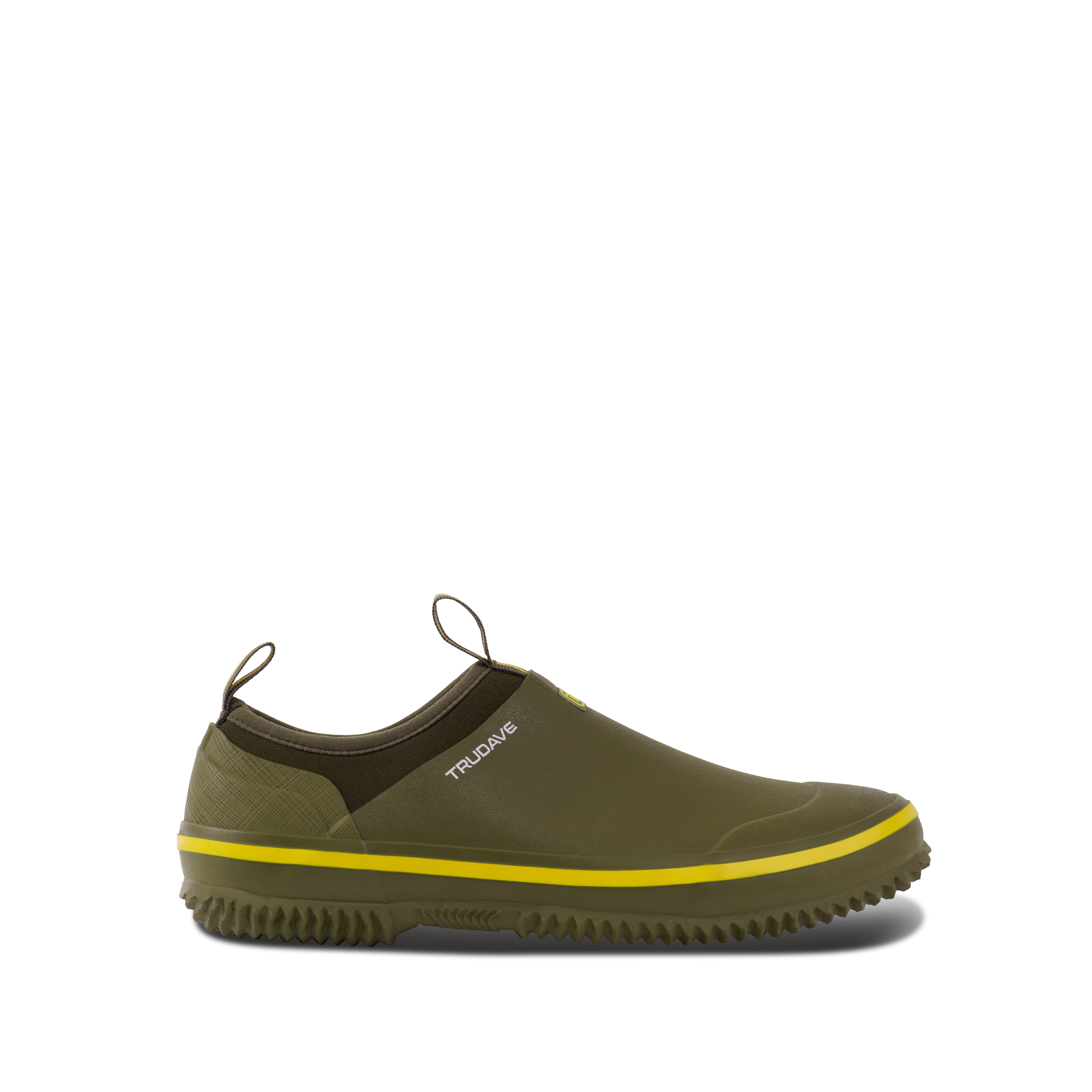
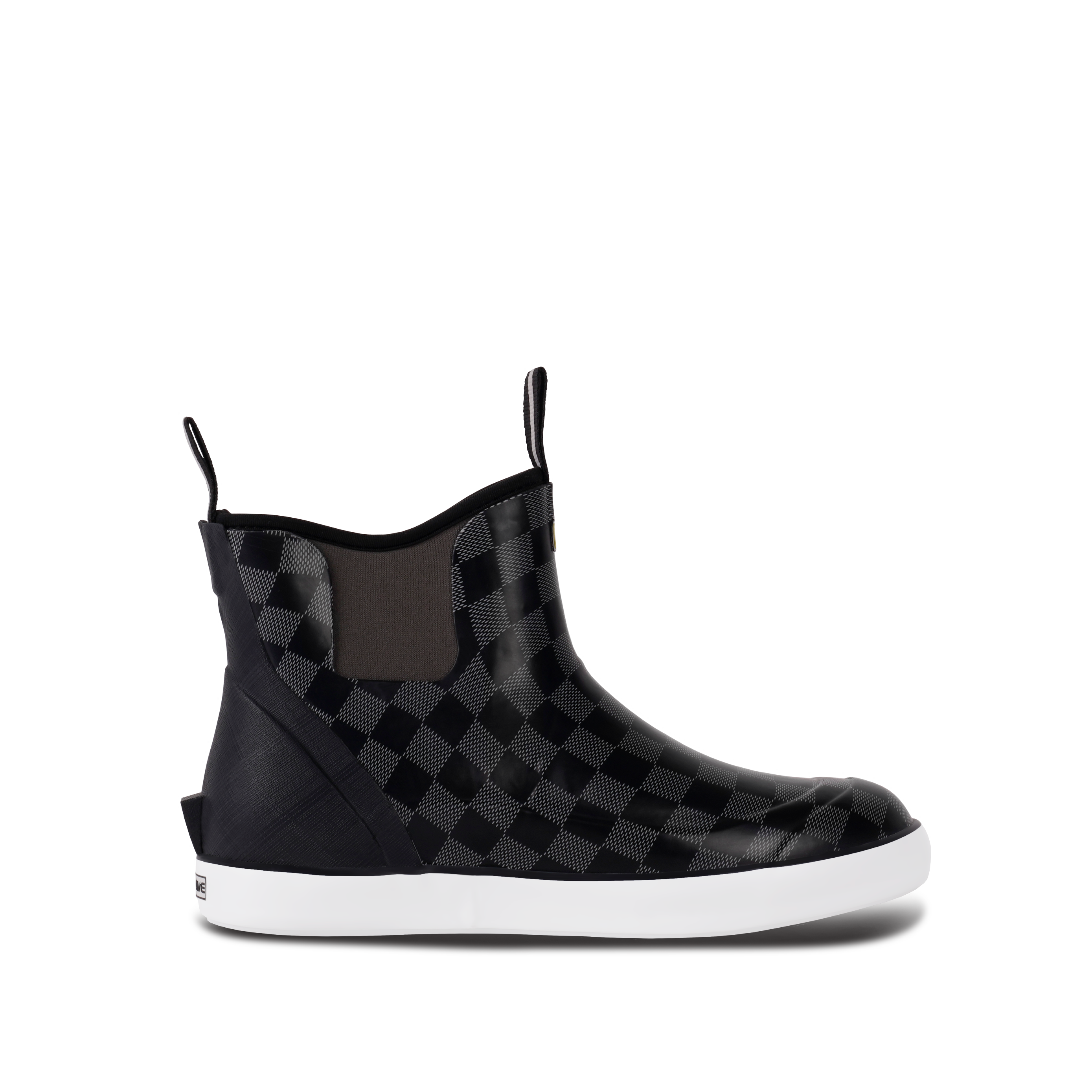
One practical strategy is to use waterproof deck boots
during launch, loading, and boat transit,
then switch fully into your wading system at the hunting location.
Boat Safety Comes First
Whatever footwear system you use,
deck boots and waders are not substitutes for flotation.
The
U.S. Coast Guard
recommends wearing a Coast Guard-approved life jacket
while underway, and recreational vessels must carry
an approved wearable PFD for each person onboard.
The Bottom Line
Stop Guessing.
Match the Insulation to the Hunt.
600g is the more flexible option for
moderate temperatures, active walk-in hunting,
and hunters who prefer to control warmth through layering.
800g makes more sense when water
and air temperatures are lower,
access is shorter,
and you expect to spend long periods standing relatively still.
Neither number works in isolation.
Match your wader insulation to water temperature,
movement, wind, layering, and exposure time.
Then match your boots to the boat, ramp,
marsh, or blind around it.
Official Waterfowl & Cold-Water Resources
Check current weather, cold-water safety recommendations,
boating requirements, and waterfowl regulations
before every hunt.
Edited by Trudave.
Temperature ranges in this guide are practical field references
rather than standardized warmth ratings.
Individual comfort depends on water temperature,
weather, metabolism, layering, activity level,
wader construction, fit, and exposure time.