October Waterfowl Clothing Guide
What Should You Wear Duck Hunting in October?
A practical early-season layering guide for changing temperatures, wet marshes, boat hunts, and cold-front mornings.
October is one of the trickiest months to dress for duck hunting.
You may leave the truck before sunrise with temperatures low enough to see your breath, hike through wet grass and ankle-deep mud, spend the first hour standing in cold marsh water, and then find yourself sweating under a bright afternoon sun.
That is what makes early-season duck hunting different from a frozen December hunt. In October, the goal usually is not to wear the warmest gear you own. It is to build a clothing system that keeps you dry, handles changing temperatures, and allows you to add or remove insulation without completely rebuilding your setup.
So, what should you wear duck hunting in October?
For most hunters, the answer is a moisture-managing base layer, a light insulating layer, waterproof outer protection, weather-appropriate waders or boots, and a few small accessories that can be added when a cold front rolls through.
Here is how to build a practical October duck hunting system from the ground up.
01
1. Think in Layers, Not One Heavy Hunting Jacket
The biggest mistake hunters make in October is dressing for the temperature they feel when they step out of the truck at 5:00 a.m.
A chilly predawn walk can make a heavy insulated jacket feel perfect for about fifteen minutes. Then you begin hauling decoy bags, pushing a boat, walking through cattails, or wading through soft mud—and suddenly you are sweating.
Once your clothing becomes damp from sweat, that moisture can become uncomfortable when you stop moving.
A better early-season system uses three adjustable layers:
-
Base layer: Moves moisture away from your skin.
-
Mid-layer: Provides adjustable warmth.
-
Outer layer: Blocks wind, rain, splash, and wet vegetation.
Instead of wearing one bulky coat, you can remove the mid-layer during the walk in and put it back on once you are sitting still.
That flexibility is especially valuable in October, when conditions can change dramatically between sunrise and late morning.
02
2. Start With a Moisture-Managing Base Layer
Your first layer should help manage perspiration rather than hold it against your skin.
Synthetic performance fabrics and merino wool are both common options for waterfowl hunters because they can remain more comfortable when conditions become damp.
For most October hunts, you probably do not need your heaviest thermal underwear.
A lightweight or midweight base layer is usually more versatile.
Upper Body
A moisture-wicking long-sleeve shirt works well under a fleece or hunting jacket.
If the morning is unusually warm, it may even become your primary layer while setting decoys.
Lower Body
Lightweight thermal bottoms or moisture-wicking hunting pants work beneath breathable waders without creating excessive bulk.
The goal is simple:
Stay warm enough when stationary without overheating while walking or setting the spread.
And one old rule still deserves attention: avoid relying on cotton as your primary insulating layer in wet conditions. Once soaked, it can remain wet and uncomfortable for a long time.
03
3. Use a Light Fleece or Insulating Mid-Layer
The middle layer is where October hunters gain the most flexibility.
A lightweight fleece pullover, grid fleece, thin insulated vest, or similar layer can provide enough warmth during cool mornings without turning your entire setup into late-season winter gear.
The advantage of a removable mid-layer is simple.
When the sun comes up, take it off.
When the wind increases or a cold front moves through, put it back on.
Hunters who walk long distances into public marshes may prefer a lighter fleece that breathes well during activity. Hunters sitting in a boat or permanent blind for several hours can usually tolerate slightly more insulation.
A packable layer is especially useful because you can store it in a blind bag without taking up much room.
04
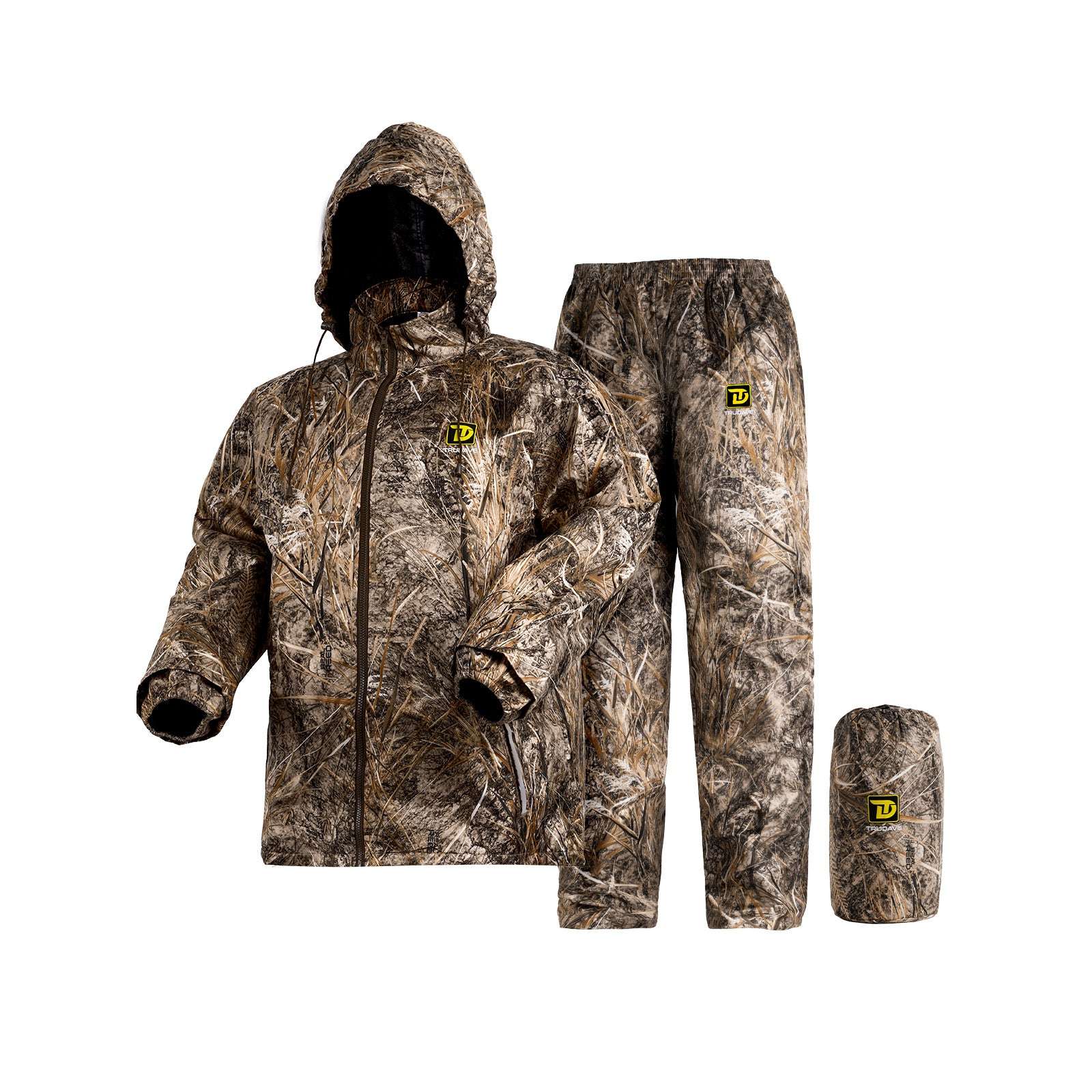
4. Your Outer Layer Should Prioritize Water and Wind Protection
October rain does not need to be heavy to make a hunt uncomfortable.
Wet cattails, morning dew, spray from the boat, light drizzle, and wind blowing across an open marsh can all work their way through ordinary clothing.
That makes a waterproof or highly water-resistant shell one of the most useful pieces of early-season duck hunting clothing.
Look for a hunting jacket or rain shell that gives you:
- Waterproof protection
- Wind resistance
- Enough room for an insulating layer
- Good shoulder mobility
- Adjustable cuffs
- Secure pockets
- A hood that does not interfere with visibility
You do not necessarily need a heavily insulated waterfowl parka in October.
In fact, a lighter waterproof shell can be more useful because you control the warmth with the layers underneath it.
05
5. Choose Waders Based on Water Temperature—not Just Air Temperature
For many duck hunters, waders are the most important decision in the entire October clothing system.
But not every October hunt requires the same type of wader.
Mild Early-Season Hunts: Breathable Waders
If you are hunting during a relatively warm October morning, walking a long distance into public land, or constantly moving while setting decoys, lightweight breathable waders can make a lot of sense.
They provide waterproof coverage without automatically adding heavy insulation.
You can then control your warmth with whatever you wear underneath.
This also makes one pair of breathable waders useful across a wider range of early-season temperatures.
For hunters dealing with these conditions, lightweight options such as the Trudave BreezeFly Series Waterproof Chest Waders are designed around mobility and waterproof protection rather than heavy late-season insulation.
Colder Mornings: Neoprene and Insulated Waders
October is unpredictable, however.
A strong northern cold front can quickly turn a comfortable early-season hunt into a much colder morning.
If you regularly hunt farther north, spend long periods standing in water, or know temperatures will remain low throughout the hunt, neoprene waders can provide additional insulation.
For colder conditions, hunters may prefer thicker hunting-oriented options such as the Trudave AquaWade Series or InfinityShield insulated hunting waders.
The important point is not simply choosing the thickest wader available.
Match the wader to:
- Air temperature
- Water temperature
- Water depth
- How far you will walk
- How long you will stand in water
- How much insulation you are wearing underneath
October rewards adaptability.
06
6. Do Not Ignore Your Feet
Wet, cold feet can ruin an otherwise good hunt surprisingly quickly.
Your sock system matters almost as much as your waders or boots.
For early-season conditions, a medium-weight merino wool or synthetic hunting sock is usually more practical than stuffing extremely thick winter socks into your boots.
Too much sock material can make boots feel tight and reduce comfort while walking.
You want enough room to move your toes naturally.
If You Are Not Wearing Waders
Not every October duck hunt requires chest waders.
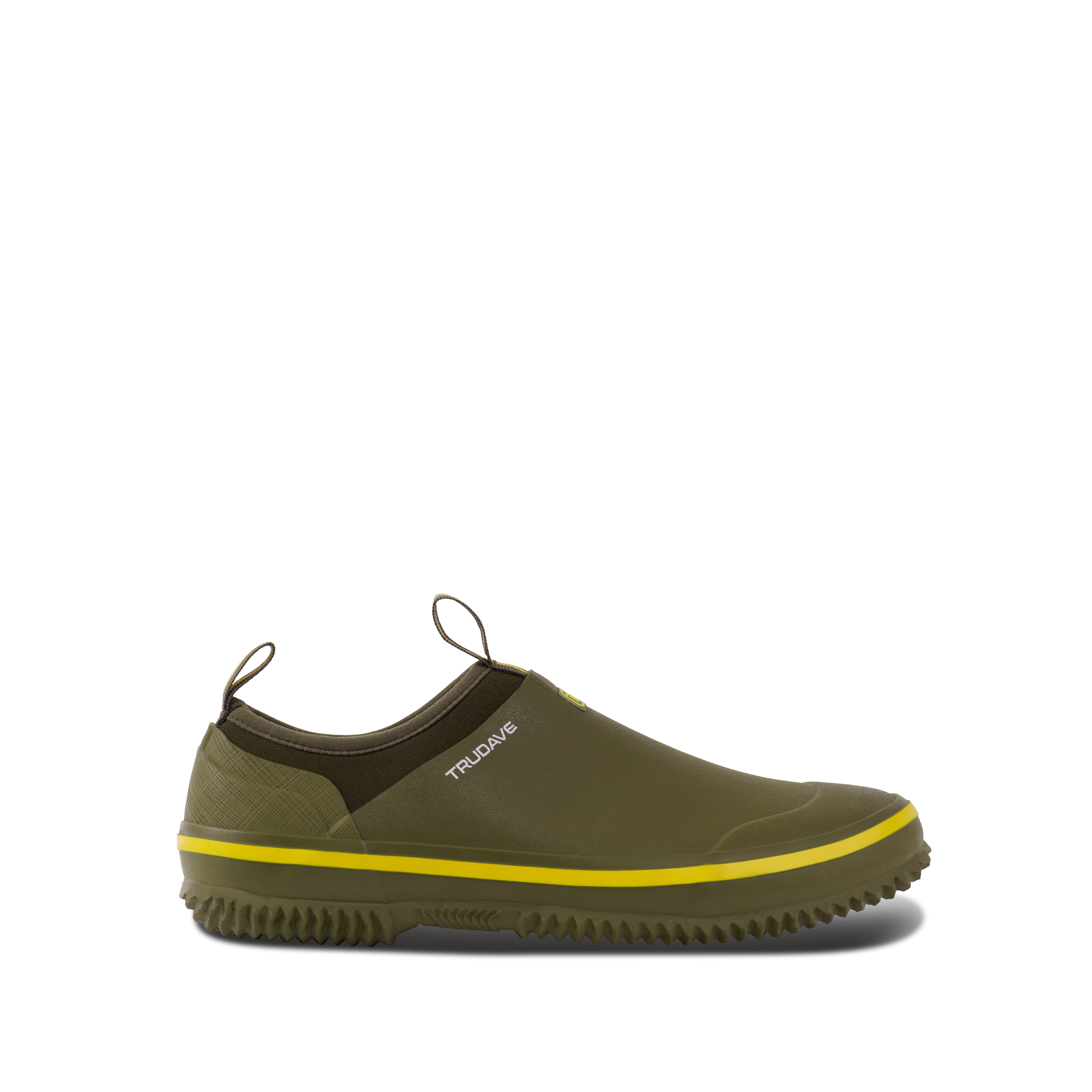
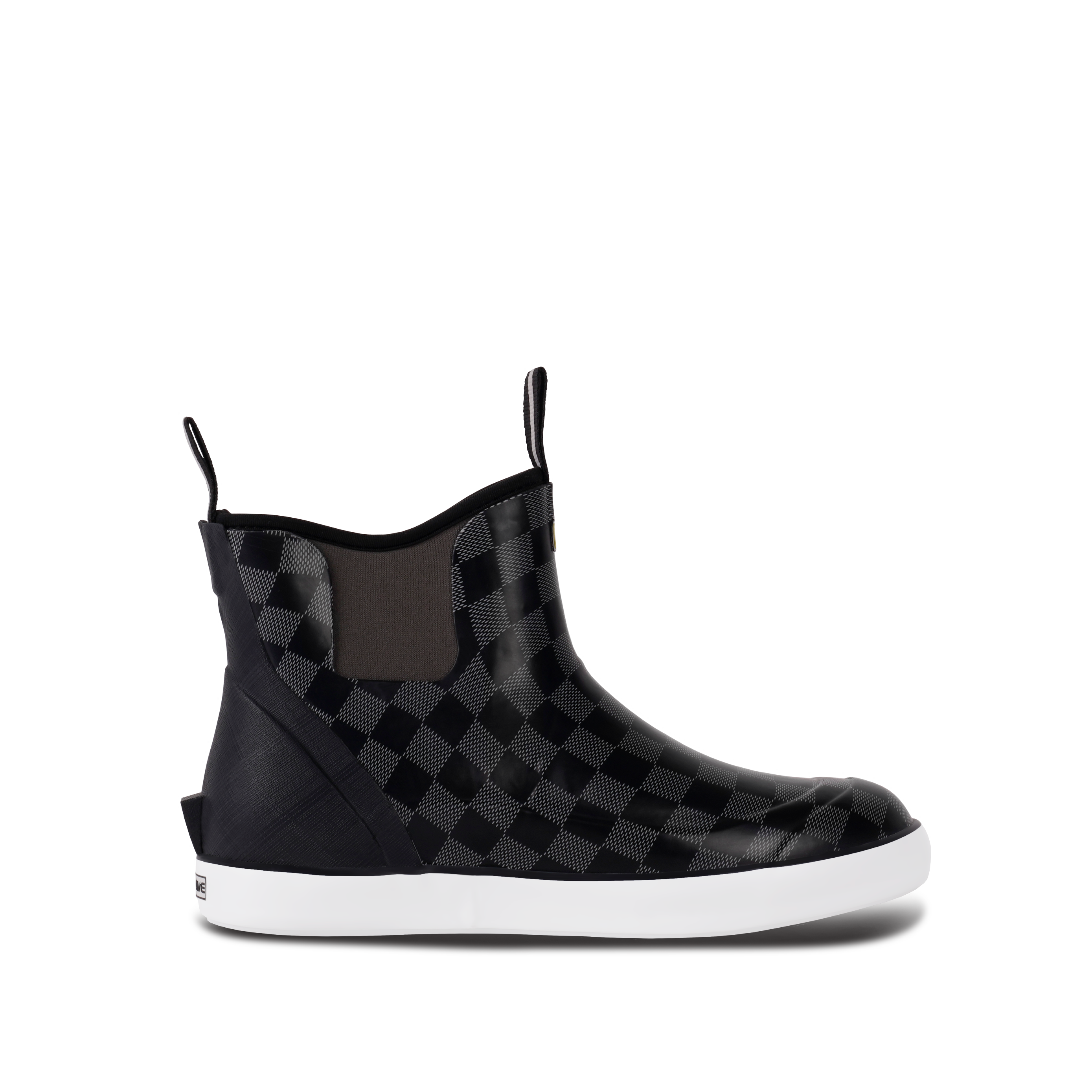
Field hunting, hunting from dry shoreline cover, launching boats, scouting, or working around shallow muddy banks may only require waterproof hunting boots.
In those situations, look for:
- Waterproof construction
- A flexible upper
- Secure traction in mud
- Enough ankle support for uneven terrain
- Easy on/off performance around boats and blinds
Trudave waterproof hunting boots can be a practical alternative when full chest waders would be unnecessary for the terrain.
The key is matching boot height to the water you realistically expect to encounter.
07
7. Keep Your Hands Warm Without Losing Dexterity
Heavy winter gloves may keep your hands warm, but they can also make loading shells, operating calls, adjusting decoys, or handling small pieces of gear frustrating.
October usually calls for something lighter.
A thin pair of hunting gloves can provide enough protection from wind and wet vegetation while maintaining finger movement.
Many hunters also carry a second pair of warmer gloves in their blind bag.
That creates a simple system:
Thin gloves while working. Warmer gloves while waiting.
If your gloves become wet while setting the spread, having a dry backup pair can make the rest of the morning much more comfortable.
08
8. Bring More Than One Option for Your Head
A huge insulated winter hat is rarely necessary for the entire October hunt.
Instead, bring options.
A hunting cap works well during warmer periods and helps reduce glare, while a lightweight beanie can be added during cold predawn conditions.
A neck gaiter is another small piece of gear that provides a surprising amount of flexibility.
It can help protect your:
- Neck
- Lower face
- Ears
- Exposed skin while birds are circling
Then it can disappear into a pocket when temperatures rise.
That versatility makes lightweight headwear much more useful than committing to heavy winter accessories before you know how the weather will develop.
09
9. Dress Differently for Walking In and Sitting Still
This is one of the most useful habits an early-season duck hunter can develop.
Do not necessarily wear every layer during the walk to your hunting spot.
If you know you have a long hike while carrying decoys, consider keeping your insulating jacket or fleece in your pack until you arrive.
Walk in slightly cool.
Set the decoys.
Get into position.
Then add your warmer layers before your body begins cooling down.
This reduces the amount of sweat trapped inside your clothing and makes it easier to remain comfortable once you are sitting still.
The same idea applies when paddling, pushing a boat, or walking through deep marsh vegetation.
10
10. Boat Hunters Need to Think About Water Temperature Too
A warm October afternoon can create a dangerous illusion.
The air may feel comfortable while the lake or river remains significantly colder.
If you are hunting from a boat, canoe, kayak, or similar watercraft, clothing should not be selected based only on the forecasted air temperature.
Cold-water immersion can quickly become dangerous. The National Weather Service Cold Water Safety guidance warns that cold shock can affect breathing, muscle control, and decision-making even when the air temperature feels mild.
Wear an appropriate life jacket and consider what would happen if you unexpectedly ended up in the water—not only what feels comfortable while sitting inside the boat. The U.S. Coast Guard Boating Safety Division recommends wearing a U.S. Coast Guard-approved life jacket while underway and requires an approved wearable PFD for each person aboard a recreational vessel.
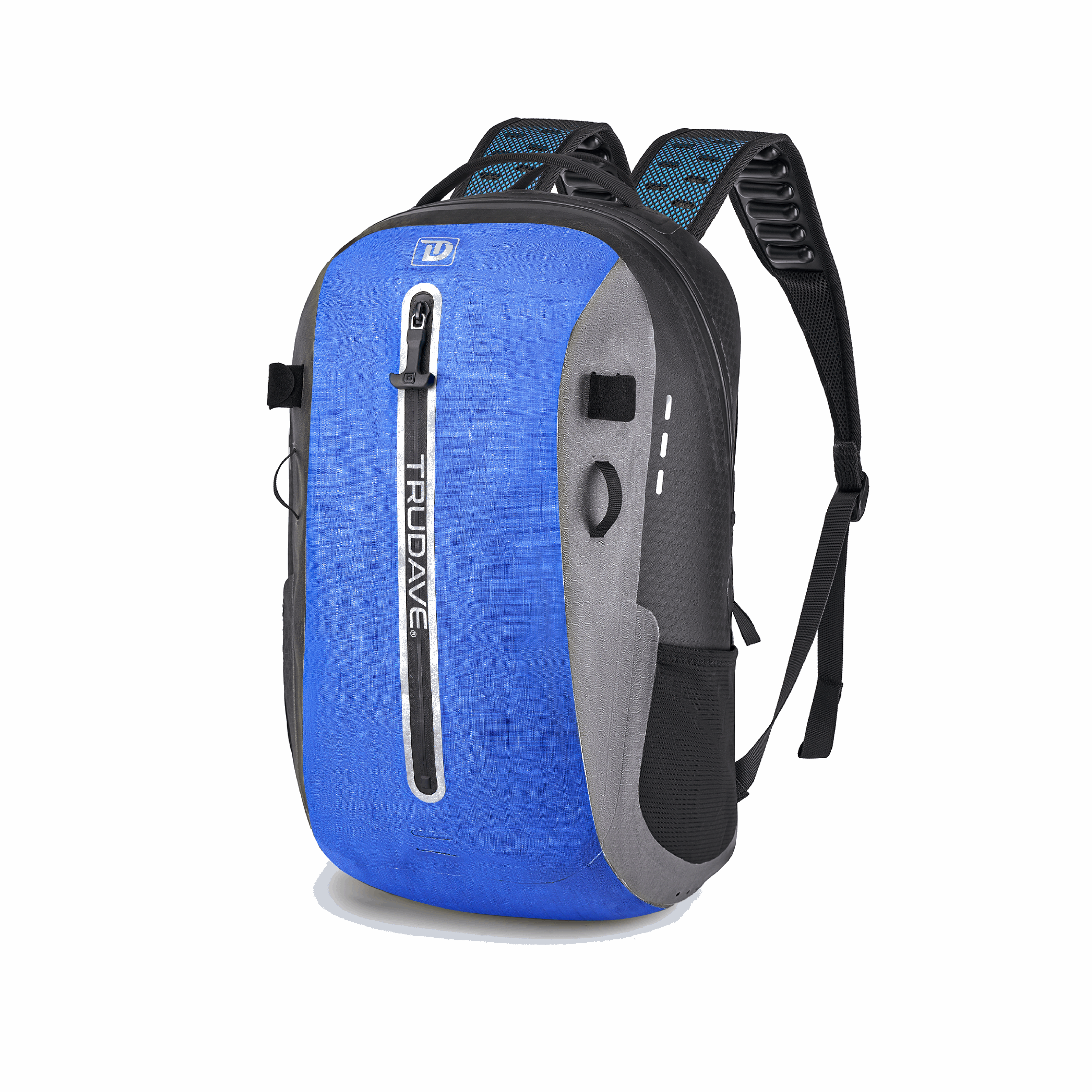
A dry set of clothing stored in a waterproof bag is also worth carrying.
At minimum, consider packing:
- Dry base layer
- Extra socks
- Gloves
- Beanie
- Lightweight insulated layer
Those items take up relatively little space but can become extremely valuable when something gets soaked.
11
October Duck Hunting Clothing: Quick Guide
12
What Should Be in Your October Duck Hunting Blind Bag?
Clothing conditions can change quickly during an October hunt, so a few backup pieces are worth the extra space.
A practical early-season bag might include:
- Lightweight beanie
- Extra gloves
- Dry socks
- Packable fleece or insulated jacket
- Rain shell
- Neck gaiter
- Hand towel
- Dry base layer
- Waterproof storage bag
You may not use all of them.
That is exactly the point.
October hunting is about having the ability to adjust.
13
One More Thing: Check the Current Hunting Regulations
Your clothing may be ready for the marsh, but your legal requirements still depend on where you hunt.
Duck hunting seasons, shooting hours, daily bag limits, possession limits, and hunting areas vary by state and sometimes by individual zones or properties.
The U.S. Fish & Wildlife Service Migratory Bird Hunting Regulations establish the federal framework for migratory game bird hunting, while states and Tribes establish their own seasons within those federal limits.
Waterfowl hunters must also follow federal requirements for approved nontoxic shot. Check the USFWS Approved Nontoxic Shot Types for Waterfowl Hunting before choosing ammunition.
Before every trip, check the current regulations from your state wildlife agency as well as applicable federal and refuge-specific rules.
14
The Bottom Line
So, what should you wear duck hunting in October?
Probably less insulation than you think—but more flexibility.
October rewards hunters who build their clothing around a layering system rather than one heavy outfit.
Start with a moisture-managing base layer. Add a lightweight insulating layer. Protect everything with a waterproof shell. Then choose your boots or waders based on the actual water depth, water temperature, terrain, and amount of walking you expect to do.
If you are covering miles through an early-season marsh, lightweight breathable waders may be the better choice.
If a cold front arrives and you will spend hours standing in cold water, insulated neoprene waders may make more sense.
And if you are staying mostly on dry ground, a reliable pair of waterproof hunting boots might be all you need.
October duck hunting is unpredictable.
Your gear should be ready to change with it.
Official Waterfowl Hunting & Cold-Water Resources
Use these official sources to confirm federal hunting rules, approved ammunition, boating requirements, and cold-water safety before each October hunt.
Edited by Trudave. Original article wording has been preserved; only layout and Shopify-friendly styling were added.