Waterproof Footwear Troubleshooting
Why Do “Waterproof” Boots Still Leave Your Socks Wet?
The Truth About Damp Feet
Wet socks do not automatically mean your boots leaked.
Sweat, insulation, sock choice, water entering from above,
and footwear maintenance can all create the same miserable result.
Every outdoorsman knows the miserable feeling. You spend good money
on a brand-new pair of boots stamped with a massive
"100% WATERPROOF" tag. You head out for a morning of
scouting, cross a few wet clover fields, settle into your tree stand,
and suddenly… your toes feel damp. By the time you get back to the
truck, your socks are completely soaked, and your feet are freezing.
Your first instinct is to blame the boots and assume they sprung a
leak. But damp socks do not always mean that the waterproof shell has
failed.
If you are tired of soggy socks ruining your hunts, you need to
understand the mechanics of moisture management. Here is the technical
breakdown of why your "waterproof" boots may still leave your feet wet,
and how to troubleshoot the problem before your next trip into the woods.
Technical Reality Check
Sweat itself can become a cold-weather problem. The
CDC Cold Weather Guidance
notes that sweat and wet clothing can chill the body rapidly and
recommends removing excess layers when you begin overheating.
Wet feet can therefore come from inside the boot as well as outside it.
01
The Sauna Effect: You Are Wearing Too Much Insulation
The number one reason many hunters end up with wet feet in early fall
is not always a boot leak—it can be internal sweat.
The Problem
Many guys buy heavy, heavily insulated hunting boots
(800g to 1200g insulation) thinking they will keep them warm all
season. But if you wear those on a 60-degree October afternoon while
hiking two miles into public land, your feet can sweat heavily.
Because waterproof footwear limits direct moisture escape, that
moisture can accumulate in your socks and boot lining. When the
temperature drops at sunset, those damp layers suddenly feel cold.
The Fix
Match your insulation to the season. For early fall, consider
uninsulated boots or lightweight
5mm neoprene-lined rubber boots with an interior
designed to manage moisture.
02
The Cotton Trap: Your Socks Matter More Than You Think
You can wear expensive waterproof hunting boots, but the wrong socks
can still leave your feet damp, cold, and uncomfortable.
The Problem
Cotton absorbs moisture and tends to hold that moisture close to
your skin. Once damp, a thick cotton sock can remain wet for a long
time and become uncomfortable when temperatures drop.
The Fix
Use Merino wool or synthetic moisture-managing socks
instead. These materials are generally better suited to wet and
cold outdoor use and can help move perspiration away from the skin.
Cold-Weather Guidance
CDC/NIOSH guidance for cold-water exposure specifically recommends
wool and synthetic clothing rather than cotton.
See
CDC/NIOSH Cold Stress Guidance
.
03
The “Over-the-Top” Wicking Breach
Sometimes the water comes from above, not below. Early morning grass
and agricultural fields can be absolutely drenched in heavy dew.
The Problem
If you are wearing standard 8-inch hiking boots, walking through
knee-high wet grass can soak the bottom of your pants. Once your
pant cuffs become wet, water can migrate down the fabric and reach
your socks and the inside of the boot.
The Fix
You need more height. A classic
15-to-16-inch rubber hunting boot
provides significantly more clearance through tall wet grass,
shallow mud, and minor creek crossings before moisture reaches
the cuff or sock line.
04
Waterproof Membranes vs. Rubber Shells
Leather hiking and hunting boots often use a waterproof/breathable
internal membrane, while rubber hunting boots use the rubber shell
itself as the primary external water barrier.
What Can Happen
Mud, dirt, worn surface treatments, saturated exterior materials,
damaged footwear, and poor maintenance can all affect how waterproof
footwear feels and performs. Even when a waterproof membrane is still
preventing liquid water from entering, a saturated outer material can
leave footwear feeling cold and clammy.
Why Rubber Is Popular in Mud
For consistently wet, muddy hunting environments, rubber footwear
offers a simple advantage: the molded rubber exterior itself serves
as the main water barrier rather than relying solely on an internal
waterproof membrane. Rubber boots can still be compromised by
punctures, cracks, damaged joints, or water entering over the top,
so they should still be inspected regularly.
Official Footwear Care Reference
GORE-TEX advises removing sand, gravel, mud, and dirt from footwear
and maintaining the exterior water-repellent treatment. Gore also
explains that when DWR stops working, the waterproof membrane may
still function even though the saturated outer layer can feel cold
or clammy.
See the
GORE-TEX Footwear Care Guide
and
GORE-TEX DWR Guide
.
Wet Feet Troubleshooting:
Is It a Leak or Is It Sweat?
Start with the moisture pattern. Where your socks are wet can help
narrow down where the water actually came from.
Match the Boot to the Environment
The Trudavegear Approach to Waterproof Footwear
If you are tired of playing the guessing game with wet feet,
start by choosing footwear that matches the terrain and activity
instead of simply choosing the warmest boot available.
For wet grass, muddy timber, farm ground, and hunting access,
taller rubber hunting boots provide more lower-leg coverage and
a molded waterproof exterior.
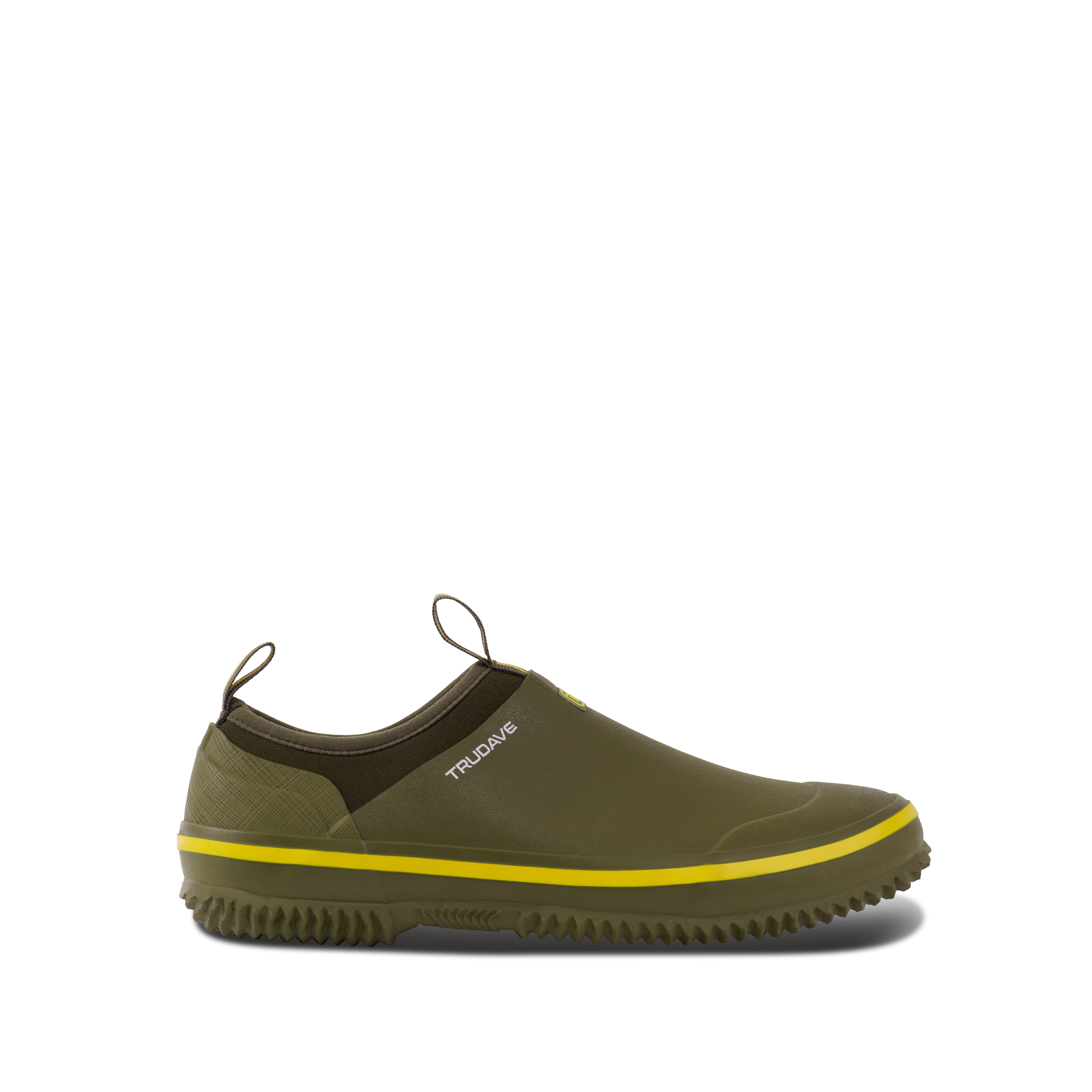
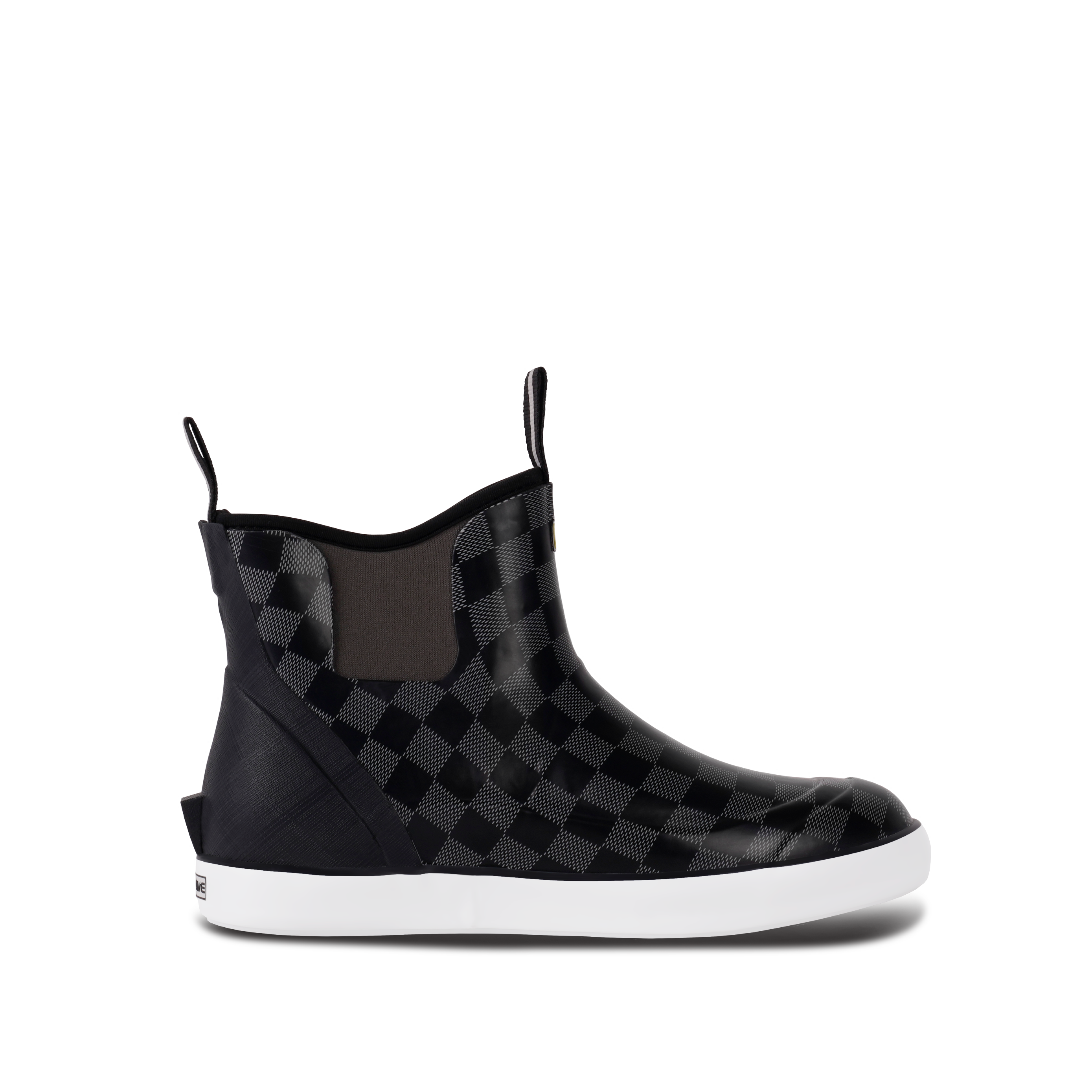
For boat decks, docks, riverbanks, and quick wet-weather trips,
ankle-height waterproof deck boots provide a lighter,
faster slip-on option.
No waterproof boot can eliminate perspiration. Sock material,
insulation level, activity intensity, fit, temperature, boot height,
and drying habits all matter. The goal is to keep outside water out
while managing the moisture your feet naturally create inside.
Official Technical & Cold-Weather Resources
For more information about moisture management,
cold exposure, waterproof footwear care, and hypothermia prevention,
consult these official resources.
Edited by Trudave.
This article is intended to help outdoor users distinguish between
exterior water intrusion and moisture produced inside footwear.
Waterproof performance varies by construction, condition, boot height,
fit, care, water depth, and activity level.