We've sent you an email with a link to update your password.
Reset your password
We will send you an email to reset your password.
What Temperature Is Too Cold for Uninsulated Waders?
TrudaveGear
0 comments
Cold-Water Wader Guide
What Temperature Is Too Cold for Uninsulated Waders?
Use water temperature, activity level, layering,
wind, and exposure time—not air temperature alone—to decide
when breathable waders need more thermal support.
Whether you are wading an icy trout stream in November,
chasing late-season puddle ducks in the marsh,
or launching a boat in the predawn freeze,
choosing the right wader setup is critical.
Uninsulated breathables are prized for their lightweight comfort,
mobility, and breathability—but as water temperatures fall,
the layers underneath them become increasingly important.
So, what temperature is actually too cold
for uninsulated waders?
Quick Answer
As a practical comfort guideline, once water drops below roughly
50°F (10°C), most anglers and hunters should begin
treating thermal layering as essential rather than optional.
When water falls toward 40°F (4°C) and air temperatures
approach or drop below freezing, heavy under-wader insulation—or
an insulated wader system—usually becomes far more practical,
especially when you will be standing still.
Source: National Weather Service Sacramento —
“The Air May Be Hot, But the Water Is Cold.”
Warm air temperature is not a reliable indicator of water temperature.
1. Water vs. Air: Why Water Temperature Matters More
The biggest mistake outdoorsmen make is dressing for the
air temperature instead of the
water temperature.
Water pulls heat away much faster than air:
cold water can conduct body heat away roughly 25–26 times faster
than air at the same temperature, which is why standing in cold water
feels dramatically different from standing outside in equally cold air.
Uninsulated waders are a waterproof shell, not a heater:
they stop water from reaching your clothing,
but your insulation comes primarily from the layers you wear underneath.
Movement changes the equation:
hiking, climbing banks, and setting decoys produce body heat,
while standing motionless in a river or marsh dramatically reduces it.
Important Safety Distinction
The 50°F and 40°F thresholds in this guide are
gear-selection and comfort references—not safe-immersion limits.
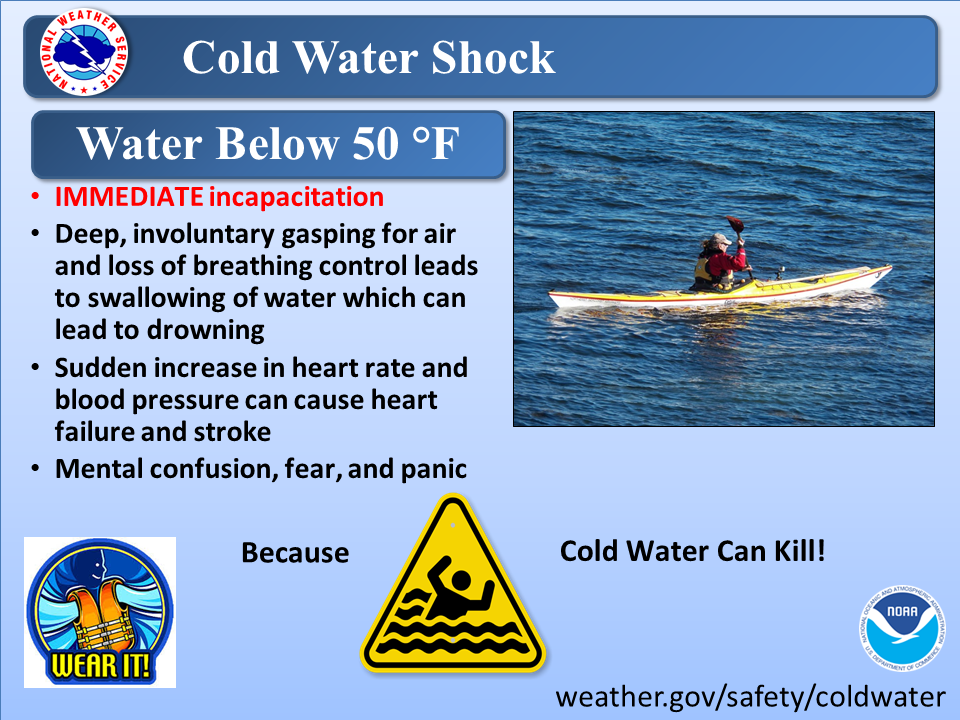
The
National Weather Service
warns that sudden immersion in 50–60°F water can still cause
severe cold shock, breathing changes, loss of muscle control,
and impaired judgment.
Source: National Weather Service —
Cold Water Shock safety awareness graphic.
This image addresses accidental immersion risk,
which is different from planned wading but remains important
whenever anglers and hunters work around cold water.
2. Temperature Benchmarks: When to Layer Up
There is no universal temperature at which every person must
stop using breathable waders. Your metabolism, clothing,
body size, water depth, wind, and activity all matter.
But these three zones provide a practical starting point.
60°F+
Light Layer Zone
The Uninsulated Sweet Spot
Typical conditions include early-season waterfowl,
summer fishing, and mild early-fall stream fishing.
Uninsulated breathable waders are usually the most comfortable choice.
A light moisture-wicking base layer or technical pants
may be all you need.
Avoid over-insulating during long hikes or active setups.
45–55°F
Layering Zone
Breathables Still Work—But the Under-Layers Matter
This is common territory for mid-fall duck hunting,
October salmon runs, cold trout streams,
and crisp morning launches.
Use Merino wool or synthetic moisture-managing base layers.
Add grid fleece or insulated pants when standing for long periods.
Adjust insulation downward if the approach requires a long hike.
<40°F
Heavy Thermal Zone
Heavy Layering or Insulated Waders Become More Practical
Think late-season flooded timber,
ice-edge waterfowling, and winter steelhead conditions.
Use high-loft fleece or purpose-built insulated wader pants.
Stationary hunters often benefit from 600g–800g+
insulated wader systems.
Minimize unnecessary exposure time and pay close attention
to cold feet, numbness, and changing weather.
3. How to Stretch Uninsulated Waders Into Colder Weather
If you want to use uninsulated breathable waders through a wider
part of the season, your layering system
has to do the thermal work.
1
Next-to-Skin Moisture Management
Skip cotton. Use Merino wool or technical synthetic base layers
that manage perspiration and dry more efficiently.
Damp clothing inside a wader can make cold conditions feel worse.
2
Mid-Layer Insulation
Add grid-fleece pants, fleece joggers,
or dedicated wader under-layers.
These create insulating air space between your body
and the cold outer shell.
3
High-Loft Cold-Weather Layer
For colder water, add synthetic insulated wader pants
or high-loft fleece.
Avoid over-compressing insulation inside a wader that fits too tightly.
Wader Fit Matters Too
The
U.S. Fish & Wildlife Service river-crossing guide
notes that tight wader boots can make feet cold,
while loose boots can become a tripping hazard.
The same guide recommends keeping a wader belt snug
when crossing moving water.
Temperature & Wader Selection Matrix
Use this as a starting point—not a universal safety rating.
Adjust for water depth, wind, movement, metabolism,
and the amount of time you will remain in the water.
Water Temp Range
Air Temp Range
Activity Level
Wader Choice & Layering Strategy
60°F+
65°F+
High
Hiking, moving
Uninsulated Waders
+ light moisture-wicking base
50°F–60°F
45°F–60°F
Moderate
Setting decoys, walking
Uninsulated Waders
+ Merino, synthetic fleece,
or similar thermal layers
Heavy thermal layering or
600g–800g+ insulated waders
are generally more practical for extended stationary use
Before You Step Into the Water
The Footwear Factor:
Boat Ramps, Banks & Transit
Cold water does not just affect your legs.
Cold, damp feet can end a fishing or hunting session early,
especially when you are standing on cold aluminum decks,
wet ramps, or muddy banks.
When you are launching a boat, prepping gear,
scouting a shoreline, or moving around a wet deck
before entering deeper water,
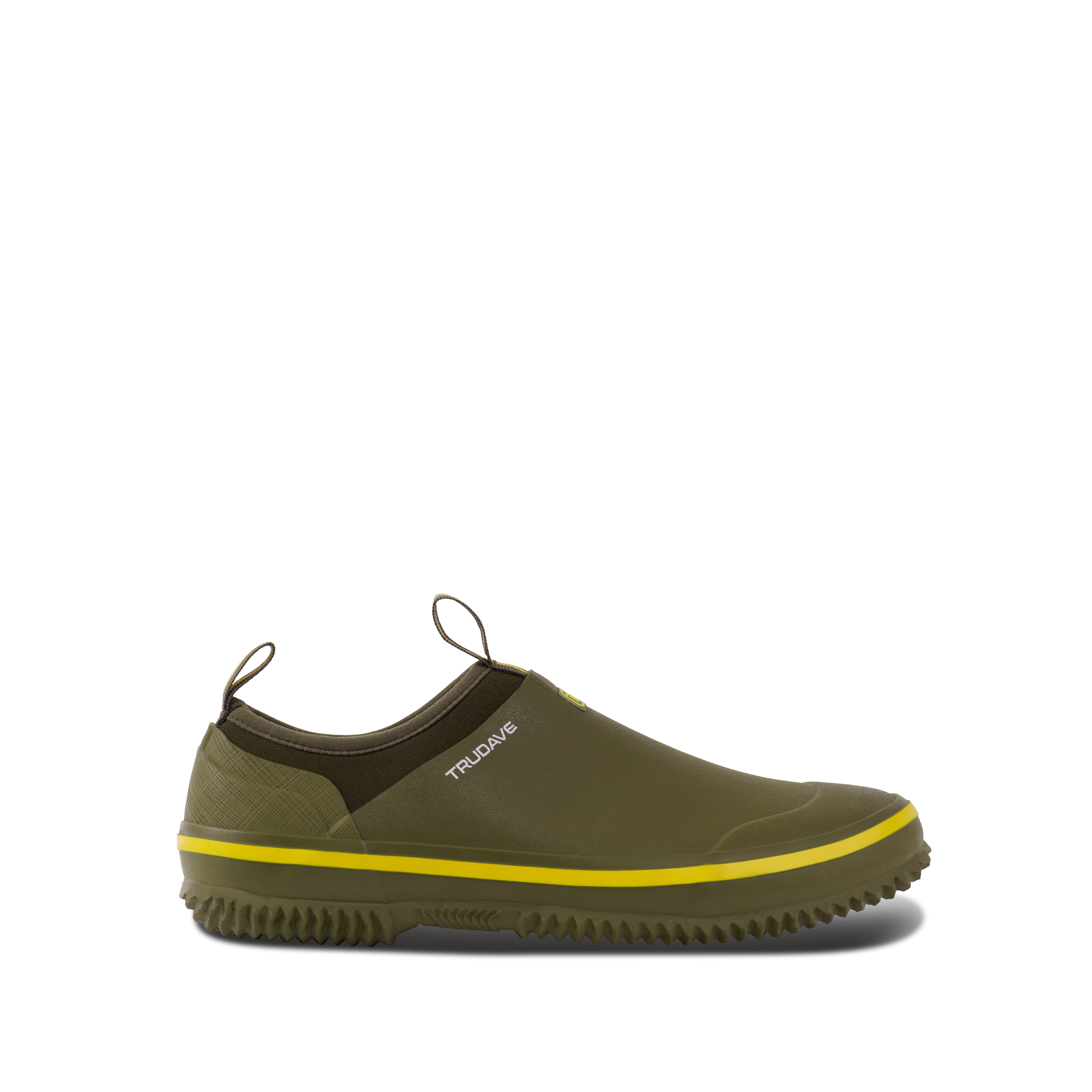
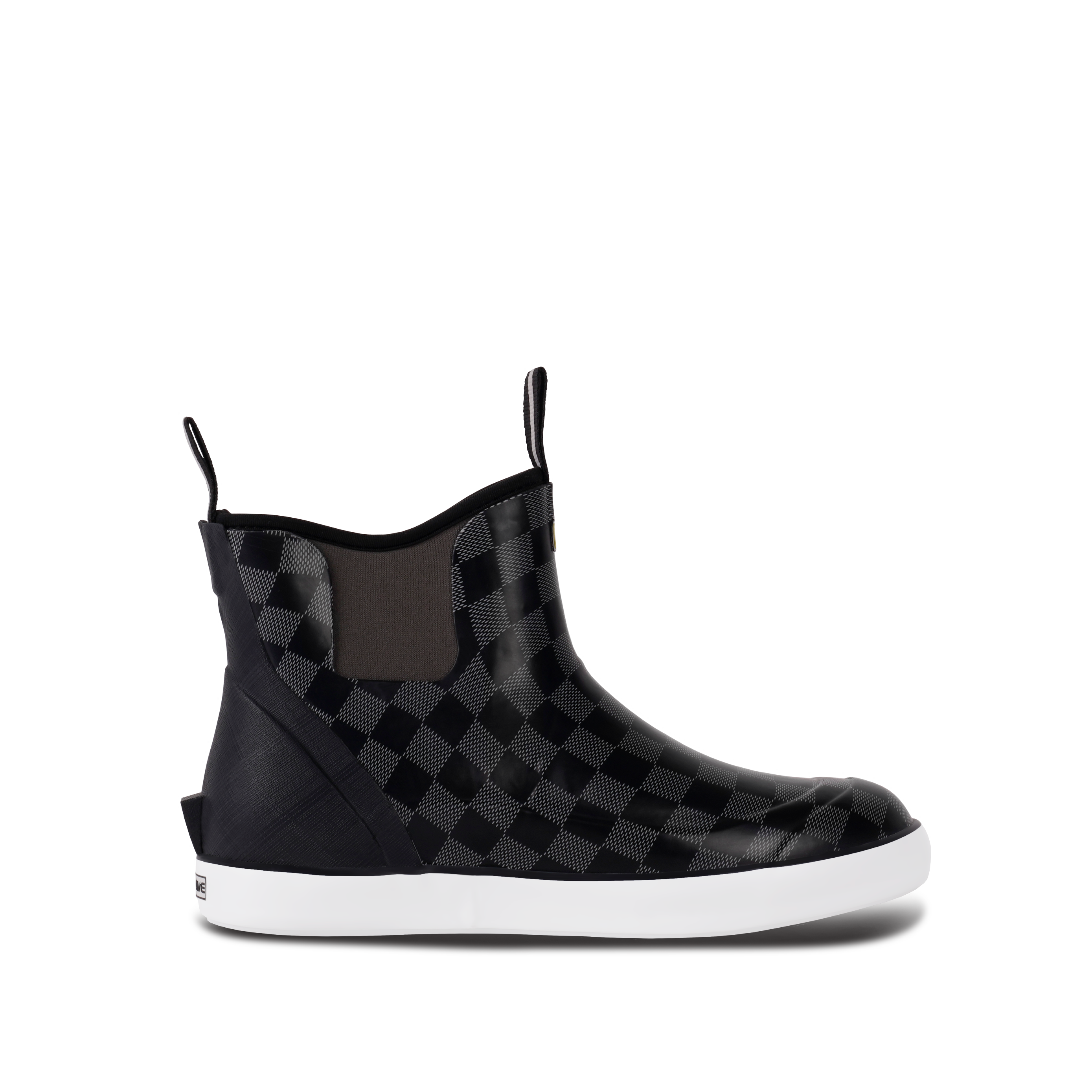
waterproof deck boots can be more convenient
than wearing your full wading setup from the truck.
Edited by Trudave.
The temperature ranges in this guide are practical gear-selection
references rather than guaranteed safety or comfort thresholds.
Water depth, current, wind, activity level, metabolism,
wader fit, layering, and exposure duration all affect cold stress.