Dry Feet Diagnosis
Top picks for outdoor work, hiking, wet-weather chores, fishing days, muddy trails, and rainy conditions where dry, supported feet make the difference.
There is nothing quite as miserable as stepping outside for a long shift, a hike, or a routine yard chore, only to feel that familiar, chilling seep of cold moisture soaking through your socks. Wet feet lead to blisters, fatigue, and a ruined day.
Whether you spend your weekends wading through rivers, your mornings trekking through muddy trails, or your weekdays handling demanding outdoor labor, a reliable pair of waterproof boots is non-negotiable.
But true comfort goes beyond just keeping water out — it requires breathable waterproofing, reliable ankle support, cushioned footbeds, strong traction, and flexible construction that will not leave your feet aching by sunset.
The most comfortable waterproof boot is the one that matches your main environment.
For deep mud and wet work, choose rubber-lower composite boots. For rugged trails, choose waterproof hiking boots. For fishing, rivers, marshes, docks, and boat ramps, choose specialized wading or deck-focused traction boots.
What Makes a Waterproof Boot Truly Comfortable?
Reliable Waterproofing
Look for waterproof-treated leather, rubber lower shells, or integrated waterproof membranes that block outside moisture while helping manage internal sweat vapor.
Cushioned Support
EVA or polyurethane midsoles help absorb impact with every step, reducing strain on heels, arches, knees, and lower back during long hours.
Stable Traction
Deep, self-cleaning lugs and slip-resistant rubber outsoles help create better footing on wet grass, mud, slick rocks, ramps, and uneven ground.
Weight and Flexibility
Heavy, rigid boots cause fatigue fast. The best waterproof boots balance protection with enough flexibility for natural movement.
Top Comfortable Waterproof Boots by Category
Rubber-Lower Composite Boots
If your daily routine involves standing in deep puddles, thick mud, heavy wet grass, washdowns, or messy outdoor jobsite conditions, traditional leather boots may eventually saturate.
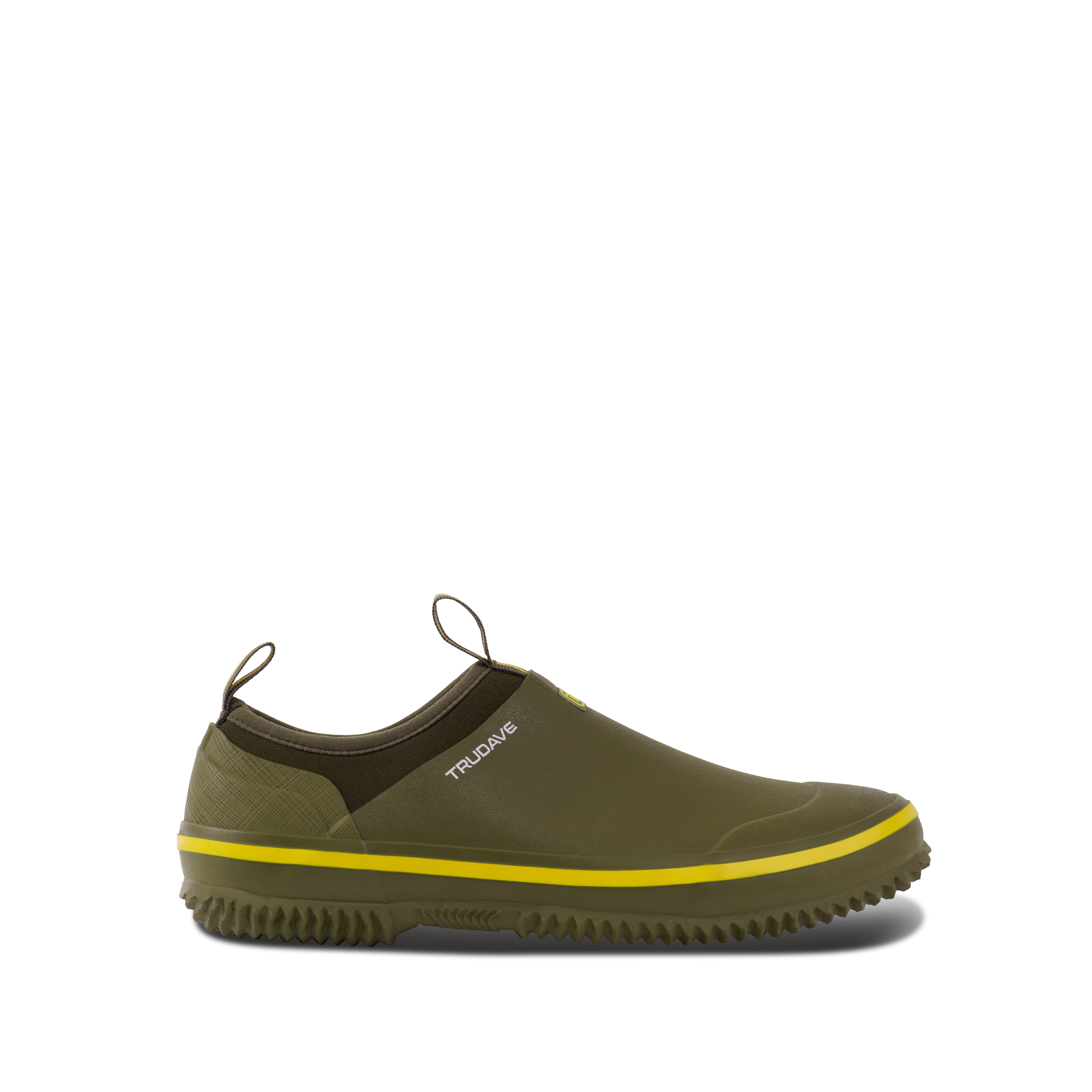
Insulated or non-insulated hybrid boots with vulcanized rubber bottoms offer strong waterproof integrity while still giving workers the support and flexibility they need for long days.
Waterproof Leather Hiking Boots
For long-distance treks, rocky inclines, and unpredictable weather, a mid-to-high-cut leather hiking boot with a waterproof membrane remains one of the most versatile choices.
This style is built to handle trail miles, uneven terrain, wet grass, muddy sections, and rocky climbs while giving the ankle more support than a low-cut shoe.
Specialized Wading & Traction Boots
For activities that involve extended time in or around water — such as fishing streams, navigating marshlands, working flooded areas, or moving along slick banks — specialized boots matter.
These boots are designed either to drain efficiently or seal tightly against moisture intrusion, depending on the activity. They also prioritize grip on slick rocks, muddy banks, docks, and underwater surfaces.
Which Waterproof Boot Should You Choose?
Choose Rubber-Lower Boots If...
Choose Hiking Boots If...
Choose Wading / Deck Boots If...
Comfort Care Plan
Tips to Maximize Boot Comfort and Longevity
Final Thoughts
Dry and Supported Feet Change the Entire Day
Investing in a quality pair of comfortable waterproof boots is an investment in your daily well-being. Whether you are tackling rugged trails or managing outdoor projects in unpredictable weather, dry and supported feet let you focus on the task at hand instead of the discomfort on your feet.
Choose a pair that matches your specific activity level, terrain, and weather conditions — and enjoy step-all-day comfort no matter how wet the forecast looks.
For Outdoor Work, Mud, Rain & Farm Utility
Need Waterproof Boots for Tough Jobs?
Trudavegear Work & Farm boots are built for wet outdoor work, messy ground, rainy-day chores, and all-day utility.
Shop Trudavegear Work & Farm BootsFor Boat Decks, Docks & Water-Side Work
Need Lightweight Waterproof Deck Boots?
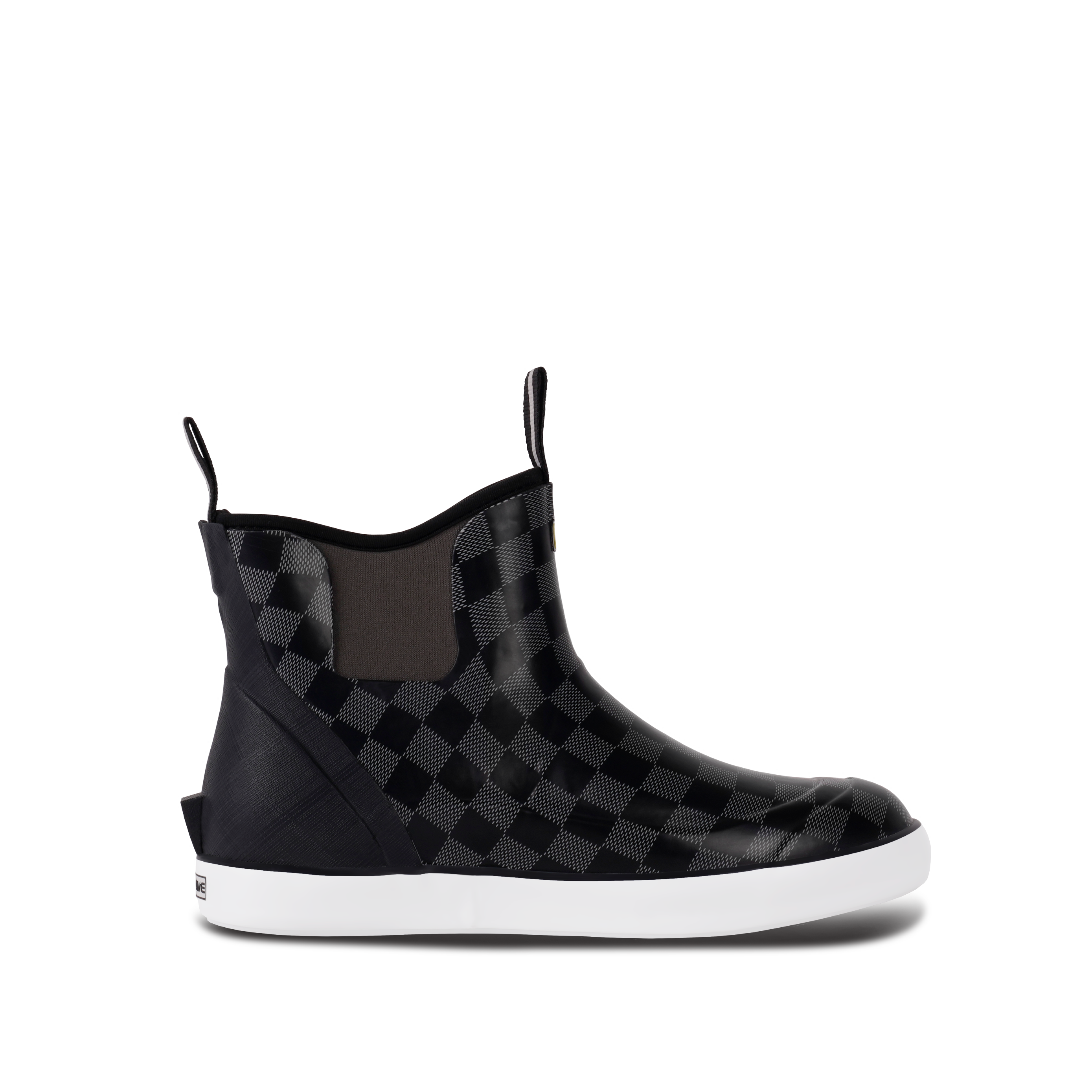
Trudavegear deck boots are built for wet decks, docks, boat ramps, fishing days, and rainy outdoor movement.
Shop Trudavegear Deck BootsAuthoritative Sources
Resources on Waterproof Footwear Comfort, Traction, and Blister Prevention
Comfortable waterproof footwear depends on moisture management, underfoot support, traction, and proper socks. These resources provide helpful context for selecting and maintaining boots.
American Academy of Dermatology — How to Prevent and Treat Blisters
AAD recommends nylon or moisture-wicking socks to help prevent foot blisters and notes that cotton can soak up sweat and moisture, increasing friction and chafing.
Read AAD blister prevention guidanceCDC / NIOSH — Slip-Resistant Shoes
NIOSH explains that slip-resistant shoes use rubber soles and tread patterns designed to better grip wet or greasy floors.
Read NIOSH slip-resistant footwear guidanceREI Expert Advice — Hiking Boots
REI explains that waterproof hiking boots commonly use waterproof membranes or liners beneath the upper, and its hiking boot guide discusses EVA midsoles, waterproof membranes, and traction-focused hiking construction.
Read REI hiking boot guidanceGORE-TEX — Waterproof Footwear
GORE-TEX provides information on waterproof footwear technologies used by licensed manufacturers in hiking boots, waterproof shoes, and lightweight outdoor footwear.
View GORE-TEX footwear technology